The trucking industry in Ontario is changing. More women are entering the field and building successful careers on the road. Still, many hesitate because they are unsure what challenges they might face.
Understanding women truck driving challenges helps you see the reality clearly. These challenges are not barriers. They are part of the learning process, just like in any other profession.
In Canada, industry estimates show a growing driver shortage. In simple terms, there are more jobs than drivers. This creates strong opportunities for new entrants, including women who are ready to step into the field.
Most challenges come from unfamiliar routines, safety concerns, or confidence at the start. With the right preparation, these become manageable and often disappear with experience.
Key Takeaways
- Women truck drivers face manageable, not extreme challenges.
- Safety awareness improves confidence over time.
- Flexibility in trucking allows lifestyle control.
- Training reduces most beginner difficulties.
- Support systems exist and are improving.
Tip: Before starting training, speak to a working female driver or instructor to understand real daily routines and safety habits in practical driving situations.
Understanding Women Truck Driving Challenges in Ontario
Most people imagine trucking challenges as extreme. In reality, they are practical and predictable.
Common issues include adjusting to long hours, learning routes, and getting used to road routines. These are not specific to women. They are part of entering any new field.
The key difference is awareness. When you understand these challenges early, they feel less overwhelming.
Many new drivers say the first few weeks feel unfamiliar, but after regular driving, everything becomes routine.
Female Driver Safety Concerns and Practical Risk Management
Safety is one of the most common concerns for women entering trucking.
The reality is simple. Truck driving is safe when proper habits are followed. Most experienced drivers follow structured routines to reduce risk.
These include:
- Choosing well-lit and busy rest stops.
- Keeping regular contact with family.
- Planning routes in advance.
In simple terms, safety comes from awareness, not fear.
Industry reports show that most incidents happen due to lack of attention, not because of gender. This means good habits are the real solution.
Is Truck Driving Physically Difficult for Women?
Many people believe truck driving requires heavy physical strength. That is not true anymore.
Modern trucks are designed to reduce physical effort. Features like power steering, air brakes, and automatic systems handle most of the workload.
In simple terms, the job is more about skill and control than strength.
Some physical tasks exist, like checking loads or basic inspections. But these are manageable and become easier with routine.
Most women drivers report that physical difficulty is not a long-term issue after training.
Women Driver Confidence Issues and How They Improve Over Time
Confidence is one of the biggest challenges at the beginning.
Many new drivers feel unsure about handling large vehicles or driving long routes. This is completely normal.
Confidence builds through:
- Practice.
- Repetition.
- Real driving experience.
In simple terms, the more you drive, the more comfortable you become.
Training programs are designed to support this process. Step-by-step learning helps drivers move from basic control to real road confidence.
Within a few weeks, most beginners feel much more comfortable behind the wheel.
Female Driver Workplace Issues in a Male-Dominated Industry
Trucking has traditionally been a male-dominated field. This can feel intimidating at first.
However, the industry is changing. More companies now focus on professionalism and safety for all drivers.
In Ontario, workplace standards are improving, and many companies support diversity in hiring.
In simple terms, respect and professionalism matter more than gender.
Most women drivers report that once they gain experience, workplace concerns become less important.
Trucking Lifestyle and Work Flexibility for Women
One of the biggest advantages of trucking is flexibility.
Drivers can choose:
- Local routes (home daily)
- Regional routes (short trips)
- Long-haul routes (extended travel)
Local vs Long-Haul Driving Options
Local jobs provide routine and stability, while long-haul offers travel and variety.
Daily Routine and Time Management
Drivers follow structured schedules including driving hours, rest breaks, and delivery timing.
In simple terms, trucking allows you to shape your work style based on your lifestyle.
Female Driver Support Solutions and Training Preparation
Support plays a major role in reducing challenges.
Training programs prepare drivers for:
- Real road conditions.
- Safety practices.
- Vehicle handling.
Role of Training in Reducing Challenges
Training helps reduce fear by building familiarity.
Learning from Real Driving Scenarios
Hands-on experience prepares drivers for actual situations.
In simple terms, proper training turns challenges into manageable tasks.
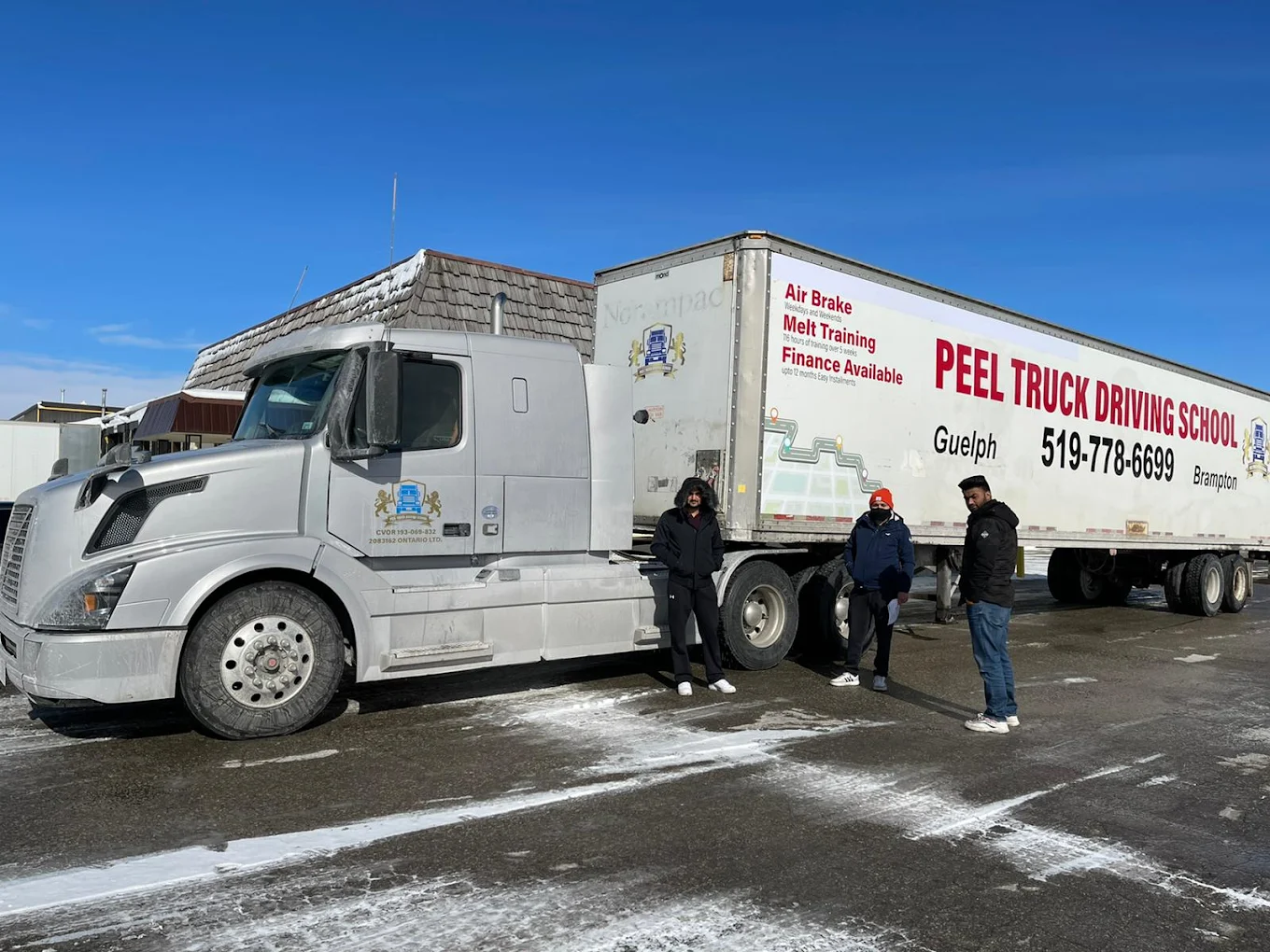
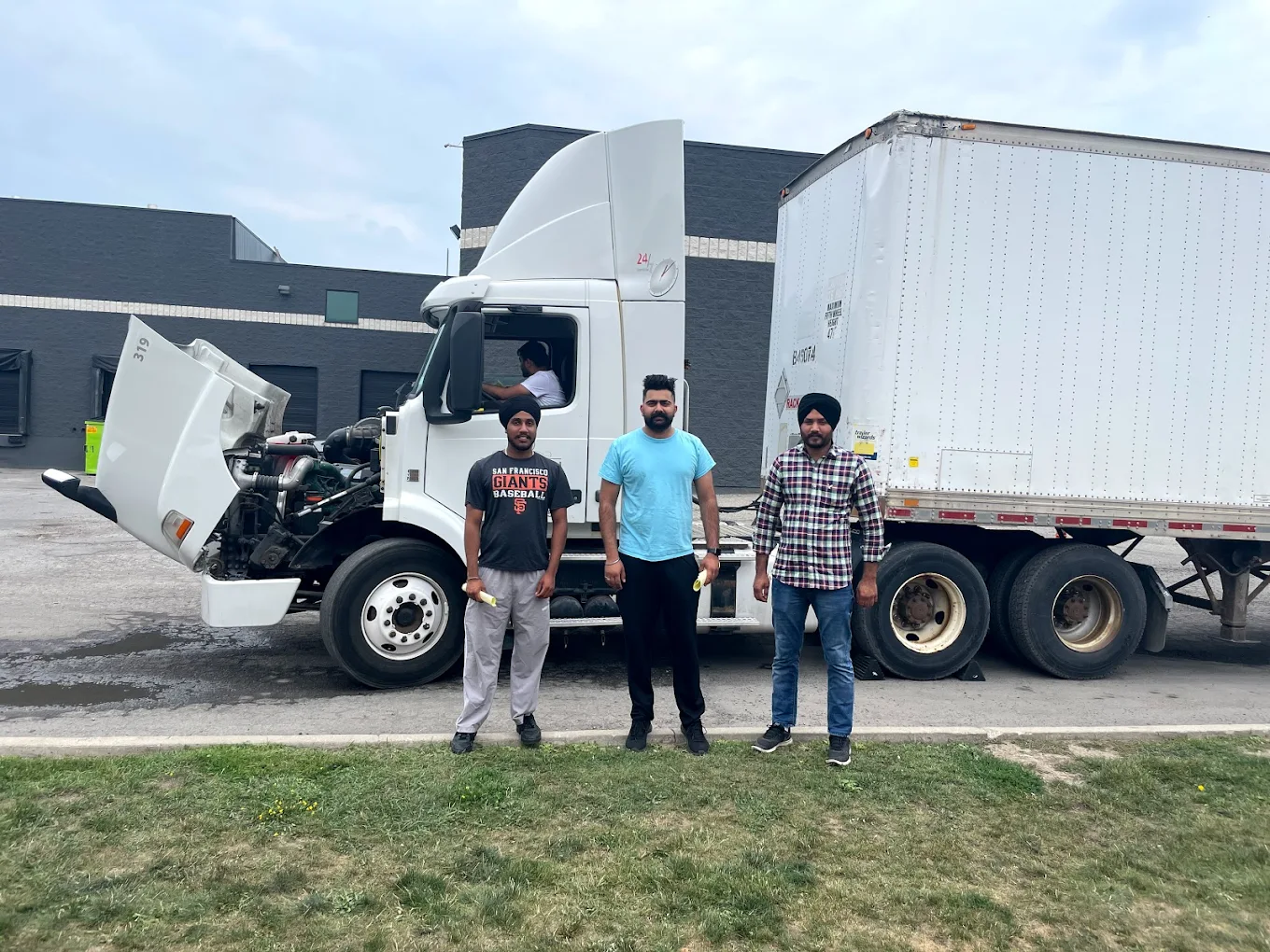
At Peel Truck Driving School, drivers get practical training that helps them feel more confident and prepared for real road situations.
Overcoming Women in Transport Struggles for Long-Term Success
Most challenges reduce with time.
What feels difficult at the start becomes normal with experience. Routine plays a big role in this transition.
In simple terms:
- Experience reduces uncertainty.
- Repetition builds confidence.
- Routine creates stability.
Long-term success in trucking comes from consistency, not perfection.
Many drivers who once struggled now see those challenges as part of their growth.
Conclusion
Understanding women truck driving challenges helps you see the profession clearly without fear or confusion.
These challenges are not permanent obstacles. They are part of the learning process and improve with time, training, and experience.
With the right preparation and mindset, trucking becomes a stable and flexible career option that offers independence and long-term opportunities.
FAQs
Is Truck Driving Safe For Women In Ontario?
Truck driving can be safe when proper habits are followed. Most safety comes from awareness, route planning, and choosing secure stops. With experience, safety becomes part of routine rather than a concern.
Can Women Choose Flexible Truck Driving Schedules?
Yes, trucking offers flexibility based on job type. Women can choose local, regional, or long-haul routes depending on lifestyle needs. This flexibility allows better control over work-life balance.
Do Women Need Special Training Compared To Men?
No, training is the same for everyone. Programs are designed for beginners and focus on skill development, safety, and real driving experience. Success depends on practice, not gender.
How Long Does It Take To Feel Comfortable Driving Trucks?
Most beginners start feeling confident within a few weeks of consistent practice. As driving hours increase, control improves and nervousness gradually reduces over time.
Are There Career Growth Opportunities In Trucking?
Yes, trucking offers long-term opportunities. Drivers can move into specialized roles, higher-paying routes, or even training positions. Experience opens multiple career paths within the industry.
Can Women Switch To Other Driving Jobs After Getting An AZ License?
An AZ license allows flexibility across industries. Women can work in logistics, retail supply, construction transport, or other sectors without needing additional certification, making it a versatile career choice.