The trucking industry is changing as more women explore opportunities in transportation and logistics. Today, many women are choosing truck driving as a stable and rewarding career path. With growing demand for skilled drivers across Ontario, trucking offers opportunities for independence, steady income, and professional growth.
For women considering this path, understanding the steps involved and the realities of the job can make the journey easier. A female truck driver career often begins with training, licensing, and gaining confidence operating commercial vehicles.
Key Takeaways
- More women are entering the trucking industry each year.
- Commercial truck driving focuses on skills, training, and road awareness rather than physical strength.
- Trucking offers various career paths such as local delivery, regional routes, and long-distance freight.
- Ontario requires specific training and licensing before driving commercial trucks.
- Professional training programs help new drivers learn real-world driving skills.
Tip: Before starting training, speak with current drivers or instructors to understand daily routines and route types. This helps you choose the trucking path that fits your lifestyle.
The Growing Presence of Women in the Trucking Industry
The trucking industry has historically had fewer women drivers, but that trend has been gradually changing. Industry workforce reports show that women now represent a growing share of commercial drivers across North America.
Some transportation associations estimate that women make up around 7–10 percent of truck drivers in Canada, and the number continues to increase each year. While that percentage may still seem small, it shows that more women are choosing trucking as a professional path.
This shift reflects broader changes in the women in trucking industry, where companies and training programs are encouraging diversity in the workforce.
Today, female drivers in logistics work in a wide range of roles including regional deliveries, long-distance freight transportation, and logistics operations. As more women enter trucking, the industry continues to evolve with better support networks and professional communities.
Truck Driver Female Skills and Women Driving Heavy Vehicles
Driving a commercial truck requires skill, focus, and safety awareness. These abilities are developed through training and practice rather than physical strength.
Modern commercial trucks are designed to be manageable for trained drivers, regardless of gender.
Vehicle Control and Road Awareness
One of the most important skills for any truck driver female is understanding how large vehicles respond on the road. Drivers learn to control speed, maintain safe spacing, and monitor surrounding traffic.
Situational awareness plays a key role when operating large trucks in different traffic environments.
Safety Checks and Inspection Routines
Before every trip, drivers perform inspections to ensure the truck is safe to operate. These checks include reviewing tire conditions, braking systems, lights, and other essential components.
Learning these routines helps drivers build strong heavy vehicle driving skills and maintain safe driving habits.
Communication and Route Awareness
Drivers also communicate with dispatch teams and logistics coordinators while planning routes and deliveries. This coordination helps ensure efficient transportation operations.
For women interested in women driving heavy vehicles, these skills help build confidence and professionalism on the road.
Steps for Becoming a Female Truck Driver in Ontario
Starting a trucking career in Ontario involves several clear steps. The process is designed to ensure drivers understand safety standards and vehicle operation before driving professionally.
Understanding Licensing Requirements
In Ontario, commercial drivers typically require an AZ or DZ license depending on the type of vehicle they plan to operate.
The licensing process includes knowledge tests and road evaluations that measure driving ability and safety awareness.
Completing Commercial Driver Training
Many drivers begin by enrolling in structured training programs that teach the fundamentals of operating large vehicles.
These programs help individuals interested in becoming a female truck driver learn both classroom theory and real driving practice.
Passing Knowledge and Road Tests
After completing training, drivers must pass both written exams and practical road tests. These evaluations ensure drivers meet the required standards for commercial vehicle operation.
Many female commercial drivers begin their careers through these entry-level training pathways.
Trucking Opportunities for Women in Transportation Careers
Trucking offers many different types of driving roles. Some drivers prefer local routes, while others travel longer distances.
Examples of trucking opportunities for women include:
- Local delivery routes within cities
- Regional freight routes between nearby provinces
- Long-haul trucking across Canada
- Logistics and distribution transportation
Many women also enter the broader women entering transportation careers category by working in dispatch, fleet coordination, or logistics operations.
This variety allows drivers to choose a path that matches their schedule and lifestyle preferences.
How Women Operating Large Trucks Build Confidence on the Road
Starting any new career can feel challenging at first. However, many drivers develop confidence through consistent practice and structured training.
Women who begin women operating large trucks often build experience by practicing vehicle control in supervised driving environments.
Training programs introduce drivers to:
- Vehicle maneuvering techniques
- Highway and city driving conditions
- Safety procedures and inspections
Over time, these experiences help drivers gain stronger truck driver situational awareness and become comfortable managing large vehicles.
Why More Women Are Choosing a Female Truck Driver Career
Transportation and logistics remain essential industries that support supply chains across Canada. Because goods must be transported regularly, the demand for skilled drivers continues to grow.
Industry labor reports often highlight a shortage of commercial drivers, which has increased opportunities for people entering the profession.
As a result, many women are exploring a female truck driver career as a stable option that offers steady income and professional independence.
In addition to job stability, trucking can offer:
- Competitive wages
- Flexible route options
- Opportunities to travel across regions
These benefits have encouraged more women to build careers in transportation and logistics.
Training Options for Women Starting a Truck Driving Career in Brampton
For women interested in starting a trucking career locally, training programs in Brampton provide structured learning opportunities.
Commercial driver programs introduce students to vehicle control, safety awareness, and real driving conditions.
Individuals exploring careers as female commercial drivers often begin with training programs that prepare them for licensing tests and professional driving standards.
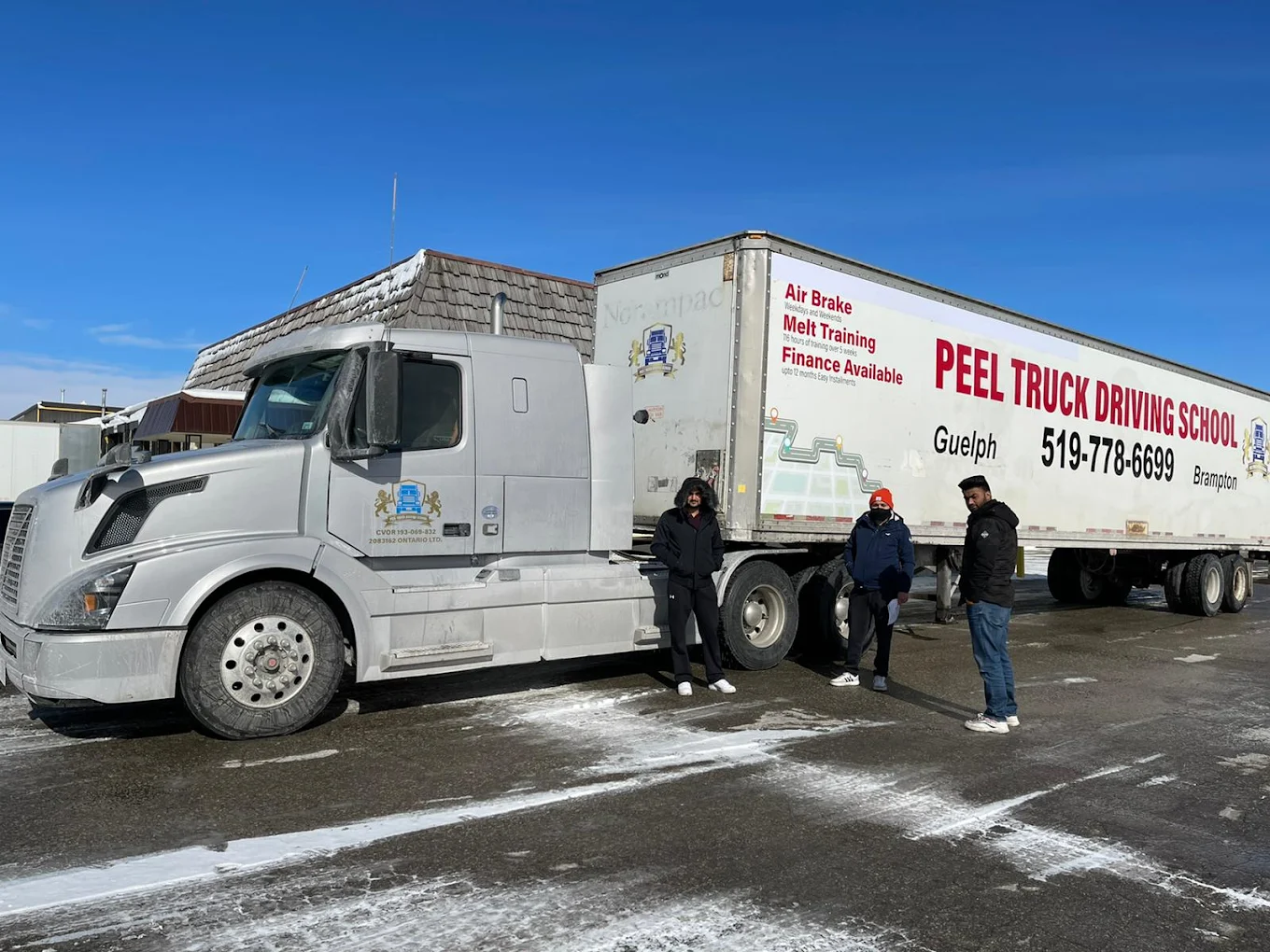
In Brampton, institutions such as Peel Truck Driving School provide driver education programs designed to help new drivers understand the responsibilities of commercial vehicle operation.
These programs help women entering transportation careers gain the knowledge required to start driving professionally.
Conclusion
The trucking industry continues to evolve as more women explore careers in transportation and logistics. With the right training, licensing, and practical experience, a female truck driver career can offer long-term opportunities and financial stability.
For women in Brampton considering a career change or exploring new job opportunities, trucking provides a clear path into a growing industry. With dedication and proper training, many women are successfully building careers behind the wheel of commercial trucks.
FAQs
Do Women Need Any Special Equipment To Drive Commercial Trucks?
No special equipment is required specifically for women. Commercial trucks are designed to be adjustable for different drivers, including seat height, steering position, and mirror placement. These adjustments help drivers maintain comfort and visibility while operating large vehicles safely.
Are There Mentorship Programs For Women Entering Trucking?
Yes, several industry organizations and driver communities offer mentorship programs for women starting trucking careers. These programs connect new drivers with experienced professionals who can provide advice, share experiences, and offer guidance during the early stages of a trucking career.
Can Women Work As Owner-Operators In The Trucking Industry?
Yes, some women eventually choose to become owner-operators after gaining experience as company drivers. This means owning or leasing their own truck and managing their own transportation contracts. It can provide greater independence but also requires business management responsibilities.
Do Female Truck Drivers Usually Work Alone Or In Teams?
Most truck drivers work independently, but team driving is also an option in certain freight operations. Team driving allows two drivers to share driving responsibilities during long-distance routes, which can help keep freight moving continuously.
What Personal Qualities Help Women Succeed In Truck Driving?
Successful truck drivers often demonstrate patience, strong observation skills, and a high level of responsibility. Being organized, maintaining focus on safety, and adapting to different road conditions are important qualities for anyone pursuing a trucking career.
Are There Career Advancement Opportunities In Trucking For Women?
Yes, trucking offers several career advancement paths. With experience, drivers may move into roles such as trainer, safety coordinator, dispatcher, or fleet manager. Some also transition into logistics or transportation management positions within the industry.