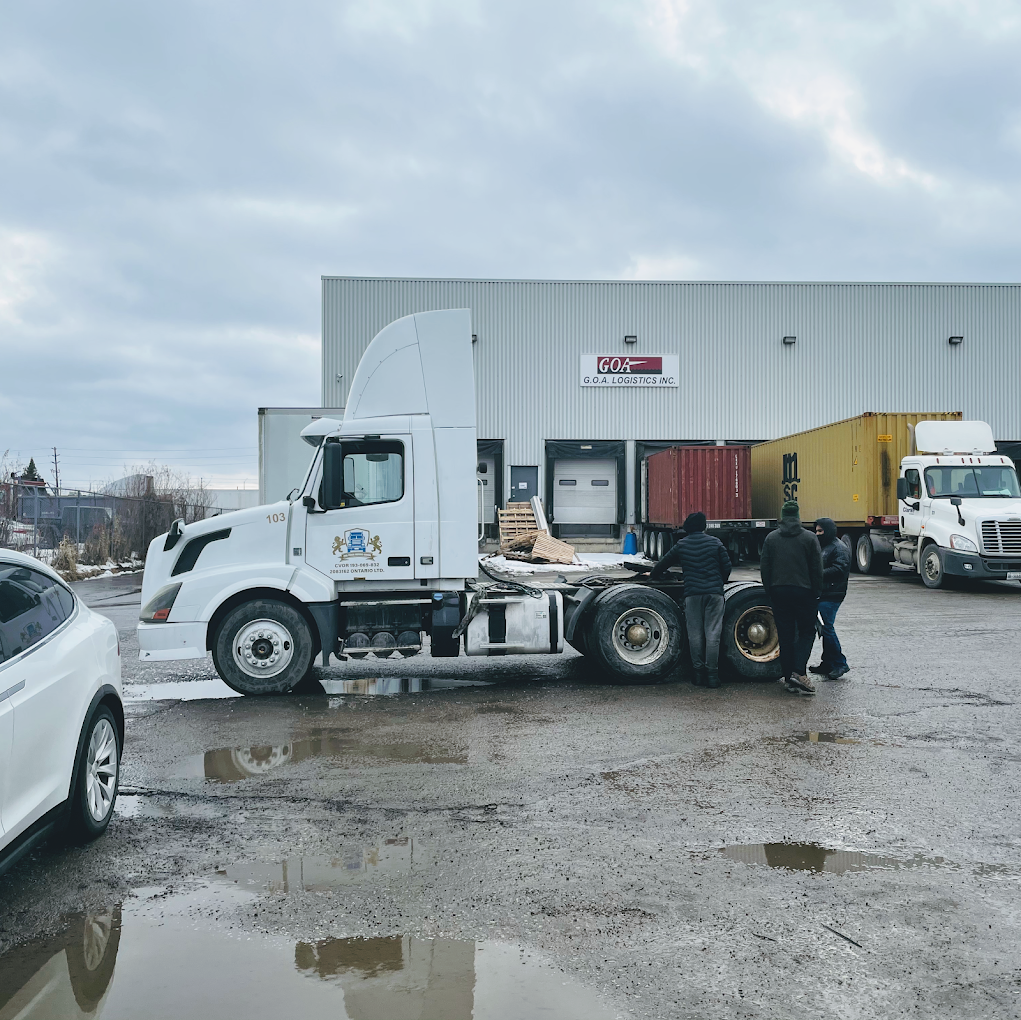
Understanding truck load safety basics is essential for every new truck driver. Safe loading is not just about placing cargo inside a trailer. It directly affects vehicle control, braking, and overall road safety. Many accidents and violations happen due to poor load distribution or unsecured cargo.
In Ontario, proper loading practices are part of daily commercial driving responsibilities. Drivers who understand weight balance and cargo securement early are more confident and safer on the road.
Key Takeaways
- Proper weight distribution improves vehicle control and safety
- Balanced loads reduce risk of tipping or shifting
- Securement techniques prevent cargo movement
- Axle weight management helps avoid fines and damage
- Consistent loading habits improve driving performance
Tip: Always recheck your load after the first short drive. Even properly secured cargo can settle or shift slightly, and early adjustment prevents bigger issues later.
Understanding Truck Load Safety Basics And Why It Matters
Proper loading is not just a rule, it is part of safe driving. When cargo is placed incorrectly, it can change how the truck behaves on the road.
For example, if weight is uneven, the truck may pull to one side or become unstable during turns. Even a small imbalance can make braking less effective.
Industry observations show that many roadside violations are linked to load issues, not driving mistakes. This means drivers who understand load safety reduce both risk and penalties.
This is why learning truck load safety basics is one of the first steps toward becoming a safe and reliable driver.
Weight Distribution Guidelines And Axle Weight Management
Weight distribution plays a major role in how a truck performs. Proper weight distribution guidelines help ensure the load is spread evenly across all axles.
In Ontario, there are clear limits for axle weights. If too much weight is placed on one axle, it can lead to fines and mechanical stress on the vehicle.
Balanced weight improves:
- Braking control
- Steering stability
- Tire performance
Studies show that uneven loads can increase braking distance, especially in emergency situations. This is why axle weight management is important for both safety and compliance.
Drivers do not need complex calculations. Basic understanding of placing heavier items evenly and keeping balance is usually enough.
Cargo Securement Techniques And Trailer Loading Safety Practices
Common Securement Tools And Equipment
Drivers use simple tools like straps, chains, and locks to keep cargo in place. These are standard across the industry.
Basic Securement Methods For Different Loads
Different loads require slightly different approaches, but the goal is always the same: prevent movement.
Preventing Load Shifting During Transit
Load shifting often happens due to sudden braking or turning. Proper securement reduces this risk.
In real-world driving, most cargo issues happen because securement was not checked properly. That is why consistent checks are part of trailer loading safety.
Understanding cargo securement techniques helps drivers maintain control and avoid unexpected movement.
Load Balancing Methods And Safe Freight Positioning
Load balancing is about placing cargo in a way that keeps the truck stable. Proper load balancing methods focus on keeping weight centered and evenly spread.
Safe freight positioning helps reduce stress on the vehicle and improves control during turns.
For example:
- Heavy items should be placed lower and centered
- Weight should be evenly distributed side to side
- Empty spaces should be minimized to prevent movement
Drivers who follow these simple methods experience smoother driving and fewer safety issues.
How Load Distribution Affects Driving Performance And Safety
Impact On Braking Distance
Uneven weight can increase stopping distance, especially when carrying heavy loads.
Effects On Turning And Stability
Improper balance can make the truck lean or feel unstable during turns.
Risks During Sudden Stops
Sudden braking with poor load distribution increases risk of cargo shift.
Real-world data shows that load imbalance can reduce driver control, even at normal speeds. This is why freight stability practices are critical.
Drivers who follow heavy cargo handling tips can better manage their vehicle in different road conditions.
What Common Load Safety Mistakes Should New Drivers Avoid?
New drivers often make simple mistakes that can affect safety.
Common mistakes include:
- Uneven loading
- Weak or loose securement
- Skipping load checks
- Ignoring axle weight limits
These mistakes are not difficult to fix. With awareness and routine checks, drivers can avoid most problems.
Understanding these errors helps drivers improve quickly and build confidence.
Building Practical Load Safety Skills Through Training In Brampton
Learning continues even after getting licensed. Practical training helps drivers apply concepts in real situations.
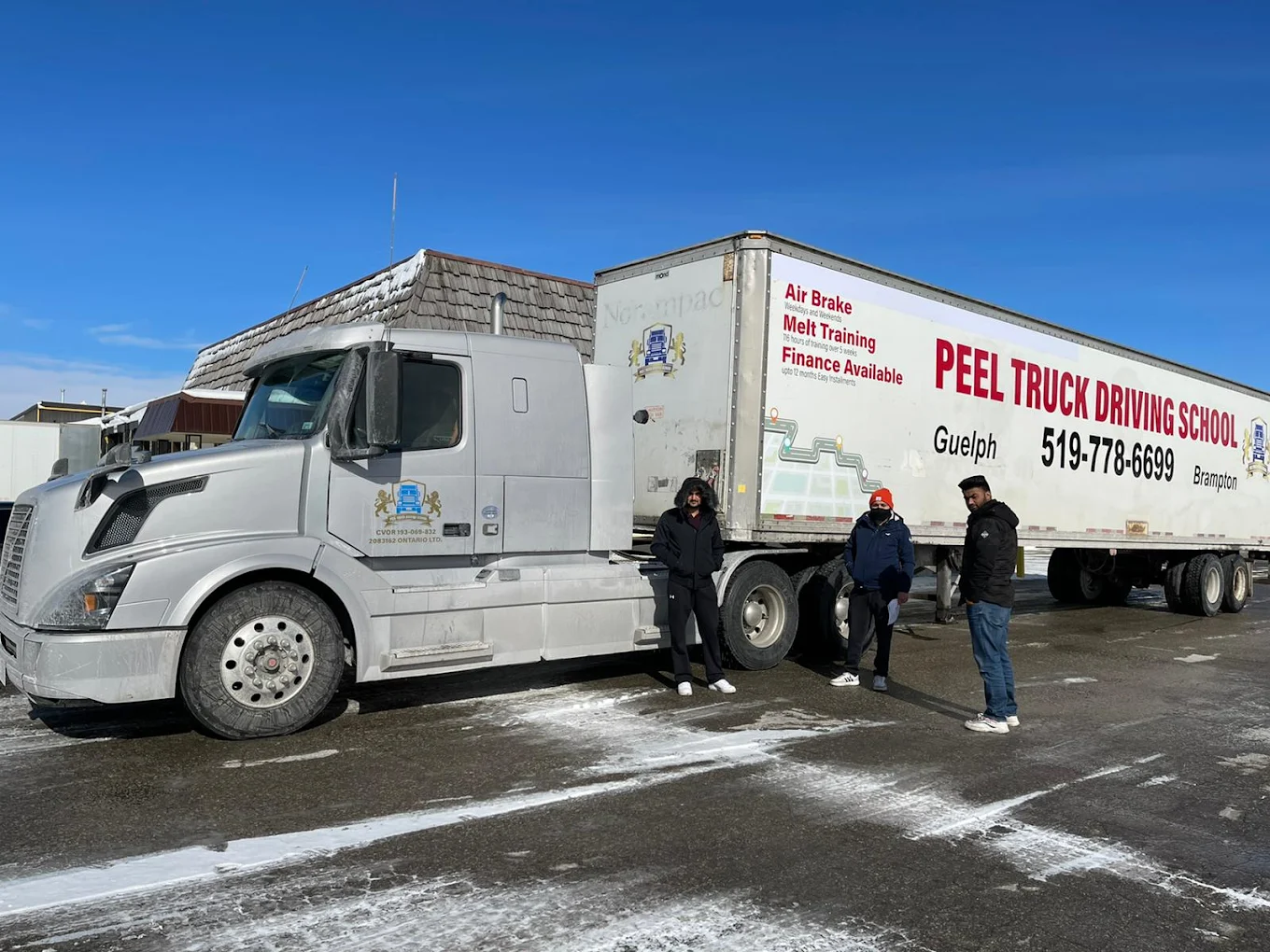
In Brampton, training programs focus on real-world driving and loading conditions. Peel Truck Driving School helps drivers practice load management, securement, and safety checks through hands-on sessions.
AZ Tractor-Trailer training helps drivers understand how load safety works in real driving scenarios.
This type of training improves confidence and prepares drivers for real job expectations.
Conclusion
Safe driving starts with proper loading. Understanding truck load safety basics helps drivers maintain control, avoid risks, and meet industry standards.
By focusing on weight distribution, securement, and consistent practices, new drivers can improve safety and confidence on every trip.
FAQs
How Often Should Drivers Check Their Load During A Trip?
Drivers should check their load before starting, after the first short drive, and periodically during long trips. Regular checks help catch small issues early and prevent safety risks.
What Legal Consequences Can Occur From Improper Load Distribution?
Improper load distribution can lead to fines, penalties, and even being taken off the road. It may also affect the company’s safety record and driver reputation.
Can Weather Conditions Affect Load Safety?
Yes, weather like strong winds or rain can impact load stability. Drivers should adjust speed and check securement more frequently in such conditions.
Is Load Safety The Driver’s Responsibility Or The Company’s?
Both share responsibility, but the driver is directly responsible for ensuring the load is safe before and during the trip.
Do Different Types Of Cargo Require Different Securement Methods?
Yes, different cargo types need different securement approaches, but basic principles like balance and stability remain the same.
How Can New Drivers Improve Confidence In Load Handling?
Confidence improves through practice, observation, and proper training. Repeating safe loading routines helps build consistency and trust in your skills.