
Starting a trucking career involves more than learning how to drive a large vehicle. Commercial drivers must also follow specific legal rules designed to keep roads safe and transportation efficient.
Understanding Ontario trucking regulations helps new drivers operate responsibly, meet safety requirements, and avoid costly violations.
These regulations guide how trucks are inspected, how long drivers can operate their vehicles, and how cargo must be secured. By learning these rules early, aspiring drivers can build safe driving habits and prepare for a professional career in transportation.
Key Takeaways
- Commercial truck drivers must follow specific transportation rules in Ontario.
- Vehicle inspections are required before operating a commercial truck.
- Cargo weight limits protect road safety and infrastructure.
- Drivers must follow safety standards and hours-of-service rules.
- Understanding regulations early helps new drivers avoid fines and penalties.
Tip: Before starting any trip, review your daily inspection checklist carefully. Small issues like loose cargo straps or worn tires can lead to fines or safety risks.
Understanding Ontario Trucking Regulations For New Drivers
Commercial truck drivers in Ontario must follow regulations designed to protect drivers, passengers, and road infrastructure. These rules are enforced by transportation authorities and apply to vehicle operation, driver conduct, and safety procedures.
Many commercial vehicle laws Ontario focus on three key goals: safety, fairness, and efficiency. Trucks are much larger and heavier than passenger vehicles, so regulations help ensure they are operated safely.
For example, heavy trucks can weigh over 36,000 kilograms when fully loaded. Because of this weight, braking distances are longer and vehicle control becomes more complex. Regulations help ensure drivers operate these vehicles responsibly.
Following commercial driving obligations also helps drivers maintain a strong professional reputation and avoid penalties that can affect their careers.
Commercial Vehicle Laws Ontario And Truck Driver Responsibilities
Truck drivers have important responsibilities under commercial vehicle laws ontario. These responsibilities go beyond basic driving and include maintaining vehicle safety, following transport rules, and protecting other road users.
A truck driver’s responsibilities often include:
- Conducting vehicle inspections before driving
- Following load weight regulations
- Maintaining safe driving distances
- Ensuring cargo is properly secured
These responsibilities exist because large trucks require more control and awareness than regular vehicles. A fully loaded truck takes longer to stop and has larger blind spots.
Understanding truck driver responsibilities helps drivers prevent accidents and comply with transportation laws. Over time, these responsibilities become routine habits that drivers follow daily.
Daily Truck Inspection Checklist And Heavy Vehicle Compliance
Before starting any trip, commercial drivers must complete a daily truck inspection checklist to confirm that the vehicle is safe to operate. This requirement supports overall heavy vehicle compliance and helps prevent mechanical failures on the road.
Pre-Trip Vehicle Inspection Steps
Drivers begin by reviewing the vehicle’s overall condition. This includes checking tires, mirrors, windshield visibility, and cargo security before starting the engine.
Brake, Tire, And Light Safety Checks
Brakes and tires are two of the most critical safety components. Drivers also check lights, turn signals, and brake lights to ensure visibility and proper signaling.
Load Security And Fluid Checks
Cargo must be secured properly using chains, straps, or other equipment. Drivers also inspect fluid levels such as engine oil and coolant to avoid breakdowns.
These checks may seem simple, but they are essential. Many professional drivers follow the same inspection routine every day to reduce risks on the road.
Cargo Weight Limits Ontario And Freight Transport Guidelines
Cargo weight regulations are a critical part of trucking safety. Cargo weight limits ontario help prevent road damage, reduce accident risks, and maintain vehicle stability.
Heavy trucks distribute weight across several axles. The total allowable weight depends on the number of axles and the distance between them. These rules ensure that trucks do not exceed safe limits.
Overloaded trucks create several safety risks:
- Longer braking distances
- Increased tire wear
- Greater risk of rollover accidents
Because of these risks, freight transport guidelines require cargo to be secured properly and weight limits to be respected.
These guidelines also help protect public infrastructure such as bridges and highways from excessive pressure.
Driver Safety Standards Ontario And Road Safety Practices
Safety is a core part of trucking regulations. Driver safety standards Ontario focus on defensive driving practices and responsible vehicle operation.
Maintaining Safe Following Distance
Because trucks are heavy, they need more distance to stop. Drivers must leave enough space between their vehicle and the one ahead.
Monitoring Blind Spots And Lane Changes
Large trucks have significant blind spots on the sides and rear. Drivers must check mirrors carefully before changing lanes.
Adapting Driving For Weather Conditions
Weather conditions such as rain, snow, or fog require slower speeds and greater caution. Professional drivers adjust their driving style depending on road conditions.
These safety practices reduce accident risks and help drivers stay compliant with transportation safety standards.
Hours Of Service Rules And Commercial Driving Obligations
Fatigue is one of the biggest risks in trucking. To reduce this risk, Ontario enforces strict commercial driving obligations related to driving hours.
For example, drivers are typically limited to:
- 13 hours of driving in a 24-hour period
- 14 hours of total work time in a day
- 10 hours of daily rest time
These rules are known as hours of service regulations. Many trucks now use electronic logging devices (ELDs) to track driving hours automatically.
By following these limits, drivers can stay alert and reduce the likelihood of fatigue-related accidents.
What Happens If Drivers Do Not Follow Ontario Trucking Regulations?
Failing to follow regulations can lead to serious consequences for truck drivers and companies.
Possible penalties include:
- Financial fines
- License suspension
- Vehicle impoundment
- Increased insurance costs
Authorities may also conduct roadside inspections to check vehicle condition, cargo security, and driver documentation.
Most penalties occur when drivers repeatedly ignore safety procedures. Following inspection routines and transport guidelines helps drivers avoid these issues.
Learning Trucking Regulations Before Starting A Career In Brampton
For aspiring drivers, understanding regulations early makes the transition into trucking much easier. Training programs often teach safety standards, inspections, and transportation laws before students begin driving professionally.
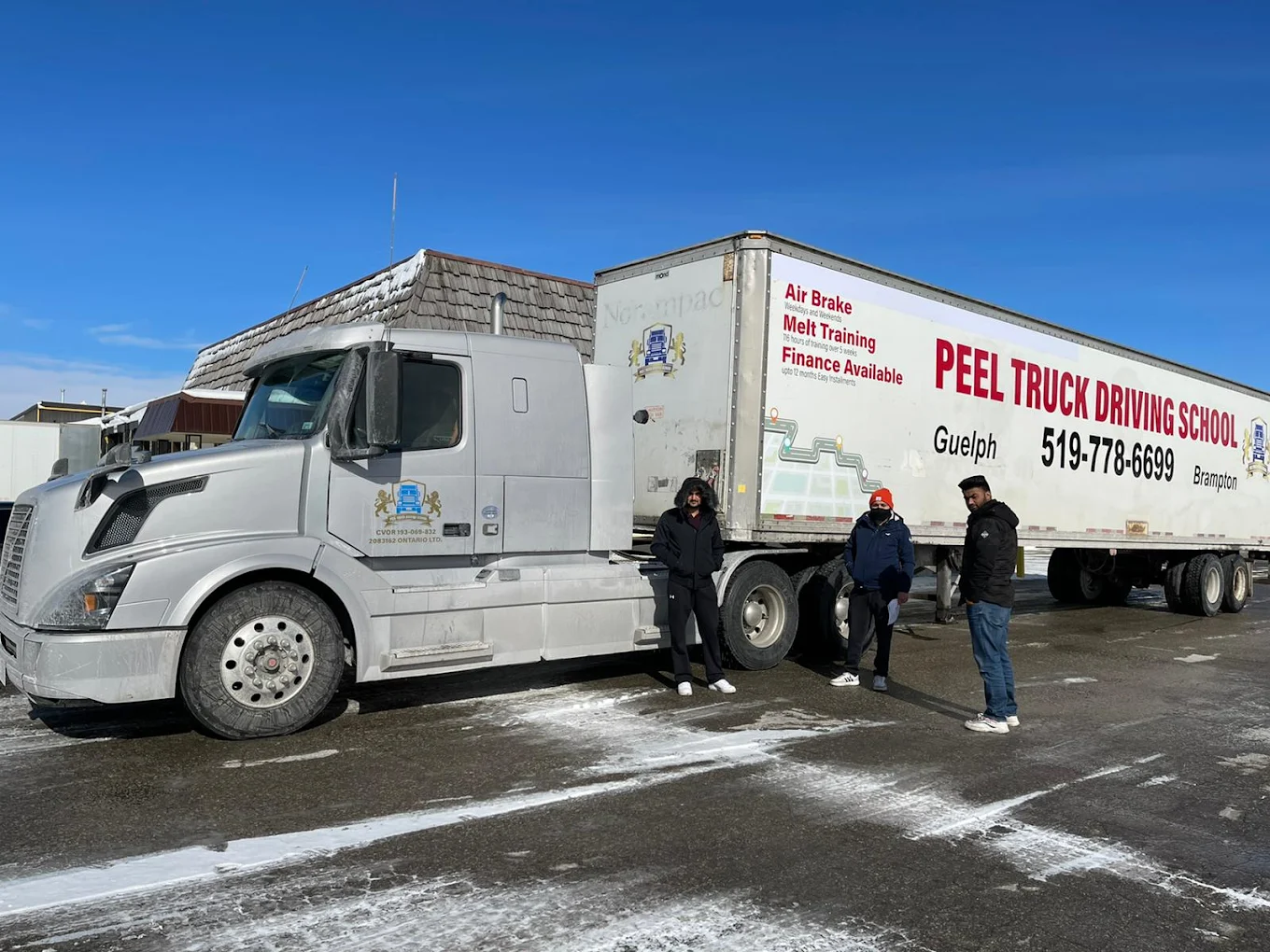
Commercial driver training schools guide students through these requirements step by step. For example, programs offered by Peel Truck Driving School introduce students to inspections, safety procedures, and road rules as part of their training.
Learning these regulations during training helps new drivers build safe driving habits and understand their responsibilities before starting their careers.
Conclusion
Starting a trucking career comes with important responsibilities. Understanding Ontario trucking regulations helps new drivers follow safety standards, operate vehicles responsibly, and avoid penalties.
Regulations covering inspections, cargo weight limits, driving hours, and safety practices exist to protect everyone on the road. By learning these rules early and practicing them consistently, new drivers can build a safe and successful career in the transportation industry.
FAQs
Do Truck Drivers In Ontario Need Special Certification To Transport Dangerous Goods?
Yes, drivers must complete Transportation of Dangerous Goods (TDG) certification if they plan to carry hazardous materials. This training teaches drivers how to handle, label, and transport dangerous goods safely. It also explains emergency procedures and documentation requirements, helping drivers comply with national safety standards.
Are Electronic Logging Devices Required For Truck Drivers In Ontario?
Most commercial truck drivers must use Electronic Logging Devices (ELDs) to record their driving hours. These devices automatically track driving time, rest periods, and duty status, helping ensure drivers follow hours-of-service rules. ELDs reduce paperwork and make it easier for enforcement officers to verify compliance.
What Documents Should A Truck Driver Carry While Driving In Ontario?
Commercial drivers typically carry several important documents, including their commercial driver’s licence, vehicle registration, insurance documents, inspection reports, and shipping papers for cargo. Having these documents readily available helps drivers pass roadside inspections and confirm that their vehicle and cargo meet transportation regulations.
How Often Are Commercial Trucks Inspected In Ontario?
Commercial trucks can be inspected regularly through scheduled maintenance checks and roadside inspections conducted by transportation authorities. Drivers must perform daily pre-trip inspections, while enforcement officers may conduct random inspections to ensure vehicles meet safety and compliance standards.
Can New Truck Drivers Operate Any Type Of Commercial Vehicle Immediately?
Not always. The type of vehicle a driver can operate depends on the class of licence they hold, such as AZ or DZ in Ontario. Each licence allows drivers to operate different types of trucks. Drivers must complete the appropriate training and pass the required tests before operating certain commercial vehicles.
How Can New Truck Drivers Stay Updated On Transportation Regulations?
Transportation laws and safety requirements can change over time, so drivers should regularly review official updates from transportation authorities. Training programs, industry newsletters, and professional driver associations often provide updates on new rules and safety guidelines that drivers should follow.



One Response