Choosing the right training program is an important first step for anyone planning to start a trucking career. Truck driving schools can vary in curriculum quality, instructor experience, and training facilities. Understanding How to Choose the Right Truck Driving School helps future drivers evaluate programs more confidently and select training that prepares them for real commercial driving conditions.
A well-structured training program focuses on safety, hands-on driving practice, and preparation for commercial licensing requirements. Taking time to compare training options helps new drivers build strong foundational skills before entering the transportation industry.
Key Takeaways
- Truck driving schools vary in program structure and training quality.
- Experienced instructors and practical driving time improve learning outcomes.
- A strong training program combines classroom education and real vehicle practice.
- School reputation and student feedback often reflect training effectiveness.
- Evaluating facilities and equipment helps determine overall training quality.
Tip: Before enrolling, visit the training yard or attend an orientation session. Observing vehicles, instructors, and practice routines can reveal the real quality of the program.
Understanding Training Program Evaluation And Driver Education Standards
Not every truck driving school offers the same level of instruction. Some programs focus heavily on theory, while others provide extensive driving practice. This is why a careful training program evaluation is essential when selecting a school.
Quality training programs usually follow recognized driver education standards. These standards help ensure that students learn the fundamentals of commercial vehicle operation, safety procedures, and road awareness before entering the workforce.
A typical truck driving training program includes:
- Classroom lessons on safety and regulations
- Vehicle inspection routines
- Practical road driving sessions
Programs that combine these elements help students build stronger driving habits before they begin professional work.
Many commercial truck driver training programs are designed to prepare students for entry-level trucking roles. These structured programs help new drivers understand vehicle handling, cargo safety, and transportation regulations.
Professional Driving Curriculum And Transport Training Quality
A strong training program should go beyond basic classroom instruction. Effective programs combine theoretical knowledge with real driving practice.
A well-developed professional driving curriculum usually includes:
- Safety inspection procedures
- Road awareness training
- Vehicle maneuvering techniques
- Highway and city driving experience
This combination improves overall transport training quality and prepares drivers for real trucking environments.
For example, many programs require students to complete supervised driving hours before they can attempt licensing tests. These hours allow students to practice braking, turning, and lane control in real traffic conditions.
Hands-on practice is important because commercial vehicles are much larger than passenger cars. Learning how to control a heavy vehicle takes repetition and proper instruction.
Commercial Driving Instructors And Driver Training Reputation
Choosing a training program often involves evaluating the experience of instructors and the overall reputation of the school.
Instructor Experience In Real Trucking Environments
Experienced commercial driving instructors bring valuable knowledge from real trucking operations. Many instructors previously worked as professional drivers and understand the challenges of operating large vehicles on public roads.
Their experience allows them to teach practical driving habits that help students prepare for real trucking situations.
Teaching Approach And Safety Focus
Good instructors focus on safety first. They guide students through inspection routines, defensive driving techniques, and responsible road behavior.
This approach helps students build confidence while learning to operate heavy vehicles.
Student Feedback And Training Outcomes
Another useful indicator is driver training reputation. Feedback from former students can reveal important insights about training quality.
Consistent positive reviews often indicate strong instruction, effective curriculum, and supportive learning environments.
Heavy Vehicle Training Facilities And Hands-On Driving Practice
Practical driving experience is one of the most important parts of truck driver training. Proper heavy vehicle training facilities allow students to learn real driving skills before entering public roads.
Training Yards And Maneuvering Practice
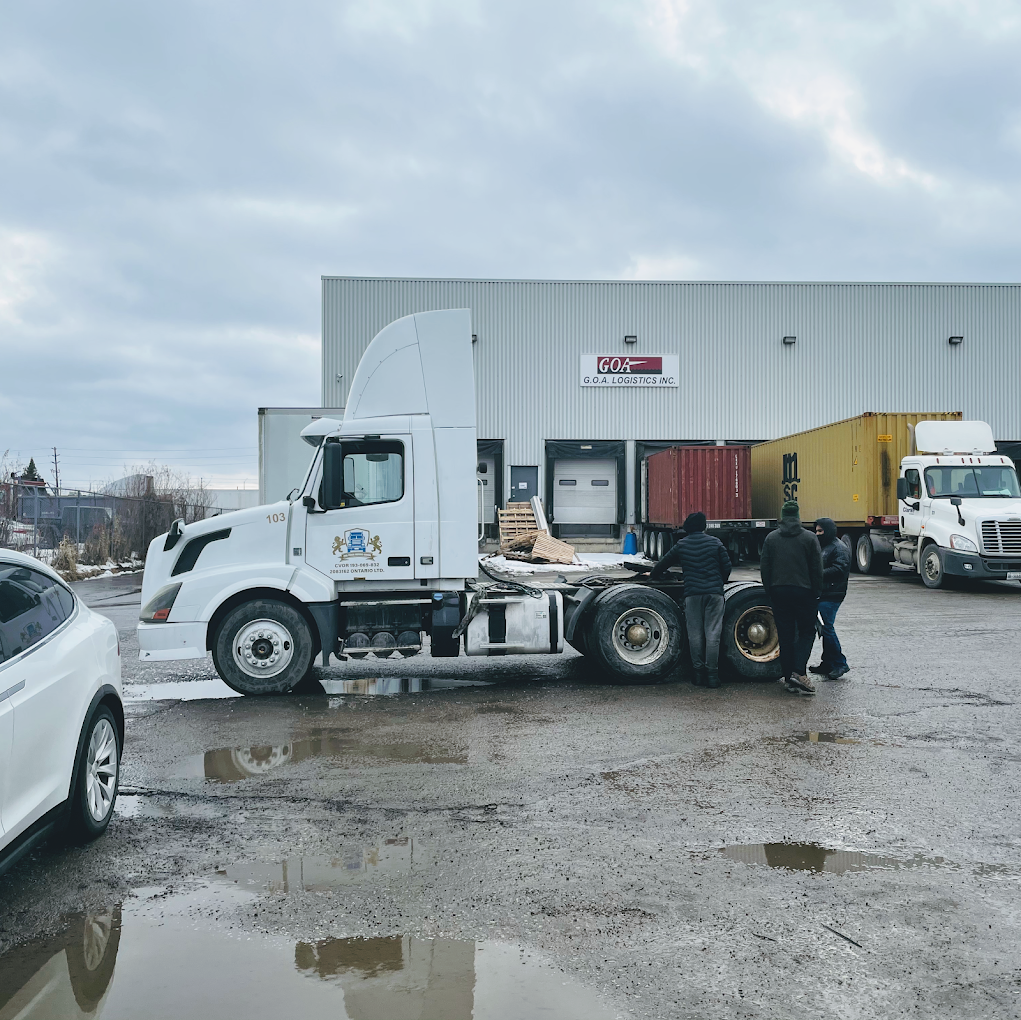
Training yards provide controlled environments where students can practice turning, reversing, and parking large trucks.
These exercises help students understand the size and movement of commercial vehicles.
Commercial Truck Equipment Used For Training
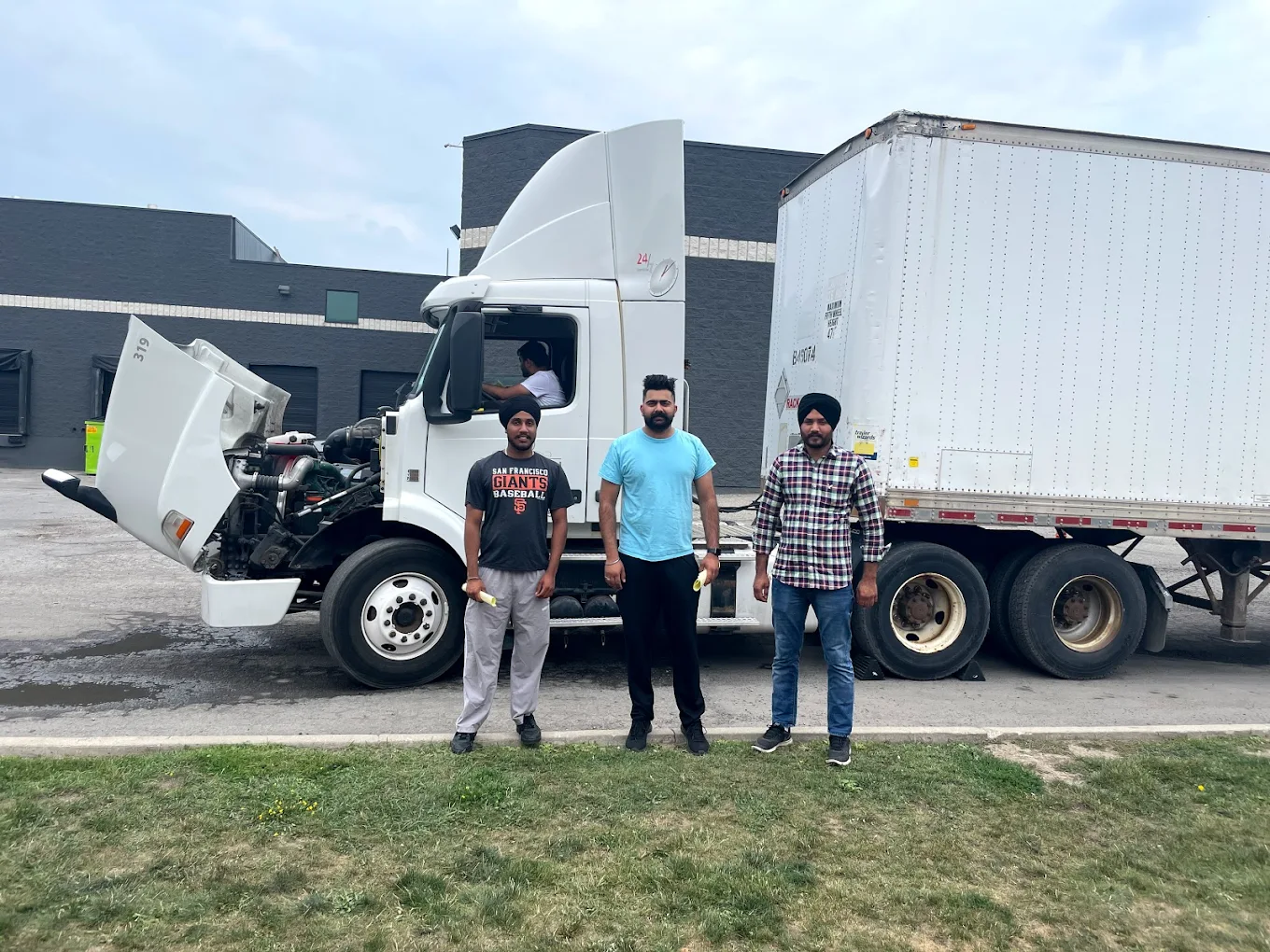
Quality programs provide access to commercial trucks that reflect real working vehicles. Students learn braking response, steering control, and vehicle handling using professional equipment.
Simulated Driving Environments
Some training facilities also use simulated driving exercises to introduce students to different traffic situations.
These experiences help students gain confidence before driving in real traffic.
Certified Driver Training Providers And Licensing Preparation
Choosing certified driver training providers can help ensure that training meets recognized standards.
In many regions, commercial driver training must follow approved program structures designed to prepare students for licensing exams.
For example, Ontario requires drivers to complete specific training before applying for certain commercial licenses. These programs help students prepare for both written tests and practical road evaluations.
Training usually covers:
- Vehicle safety inspections
- Road rules and regulations
- Driving practice with instructors
These lessons support proper truck driver licensing preparation and help students approach licensing tests with confidence.
Questions To Ask Before Enrolling In A Truck Driving School
Before selecting a program, it is helpful to ask specific questions that reveal the structure and quality of training.
Some useful questions include:
- How many hours of driving practice are included?
- What experience do the instructors have?
- What vehicles are used for training?
- Does the program prepare students for licensing tests?
These questions support a proper training program evaluation and help prospective drivers understand what to expect from a training program.
Clear information about curriculum, instructor experience, and training hours can make it easier to compare schools and choose the right program.
Finding A Reliable Truck Driving School In Your City
Finding a reliable training provider often begins with research. Prospective students usually compare program structure, instructor experience, and training facilities before enrolling.
Many cities offer commercial driver training programs designed to prepare new drivers for transportation careers.
Prospective students may also review program outlines, visit training locations, or attend information sessions to better understand training quality.
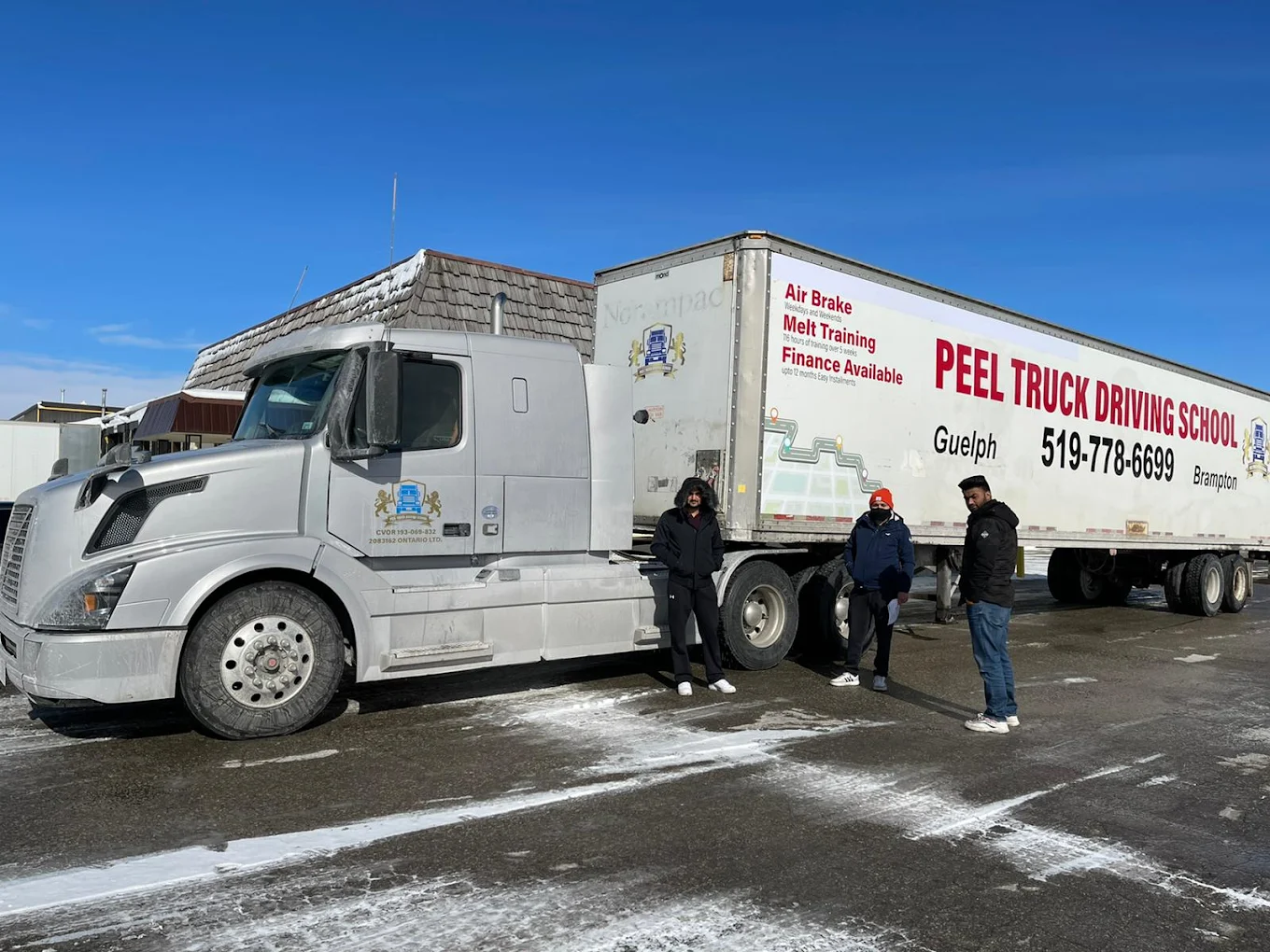
For those exploring training options, schools such as Peel Truck Driving School provide driver education programs designed to help students develop commercial driving skills and prepare for trucking careers.
These programs typically focus on practical driving experience and safety training that align with professional driver standards.
Conclusion
Selecting the right training program plays an important role in preparing for a trucking career. Understanding How to Choose the Right Truck Driving School helps prospective drivers evaluate instructors, facilities, and training curriculum before enrolling.
By comparing training programs carefully and focusing on hands-on driving practice, new drivers can find programs that support safe and effective commercial vehicle operation.
FAQs
How Much Does Truck Driving School Usually Cost?
The cost of truck driving school can vary depending on the length of the program, training hours, and the equipment used for instruction. Some programs include classroom learning, road training, and licensing preparation in one package, which may affect pricing. Comparing several schools and reviewing what is included in the training program can help students understand the overall value.
How Long Does It Take To Complete Truck Driver Training?
Most commercial driver training programs take several weeks to complete, depending on the curriculum and the number of driving hours required. Some programs offer intensive schedules that allow students to finish faster, while others provide flexible training timelines. The goal of the training period is to ensure students gain enough knowledge and road practice before attempting their licensing tests.
Do Truck Driving Schools Provide Job Placement Assistance?
Some truck driving schools offer career support services to help graduates find entry-level driving jobs. These services may include resume guidance, employer connections, or information about trucking companies hiring new drivers. While job placement support can be helpful, students should still focus on choosing a program that provides strong training and practical driving experience.
Is Prior Driving Experience Required Before Joining Truck Driving School?
Most truck driving training programs are designed for beginners and do not require prior commercial driving experience. Students usually start by learning the basics of vehicle control, safety inspections, and transportation regulations. Training programs gradually introduce road driving practice so new drivers can build confidence over time.
What Type Of Trucks Are Used During Driver Training?
Truck driving schools typically use commercial training vehicles similar to those used in real transportation work. These vehicles allow students to practice essential driving skills such as reversing, turning, braking, and lane control. Learning on full-size training trucks helps students become familiar with vehicle size, blind spots, and handling characteristics.
Can I Visit A Truck Driving School Before Enrolling?
Many training schools allow prospective students to visit their training yard, attend an information session, or speak with instructors before enrolling. Visiting a training location can help students observe the equipment, meet instructors, and better understand how the training program operates. This step can make it easier to evaluate the overall learning environment before making a decision.