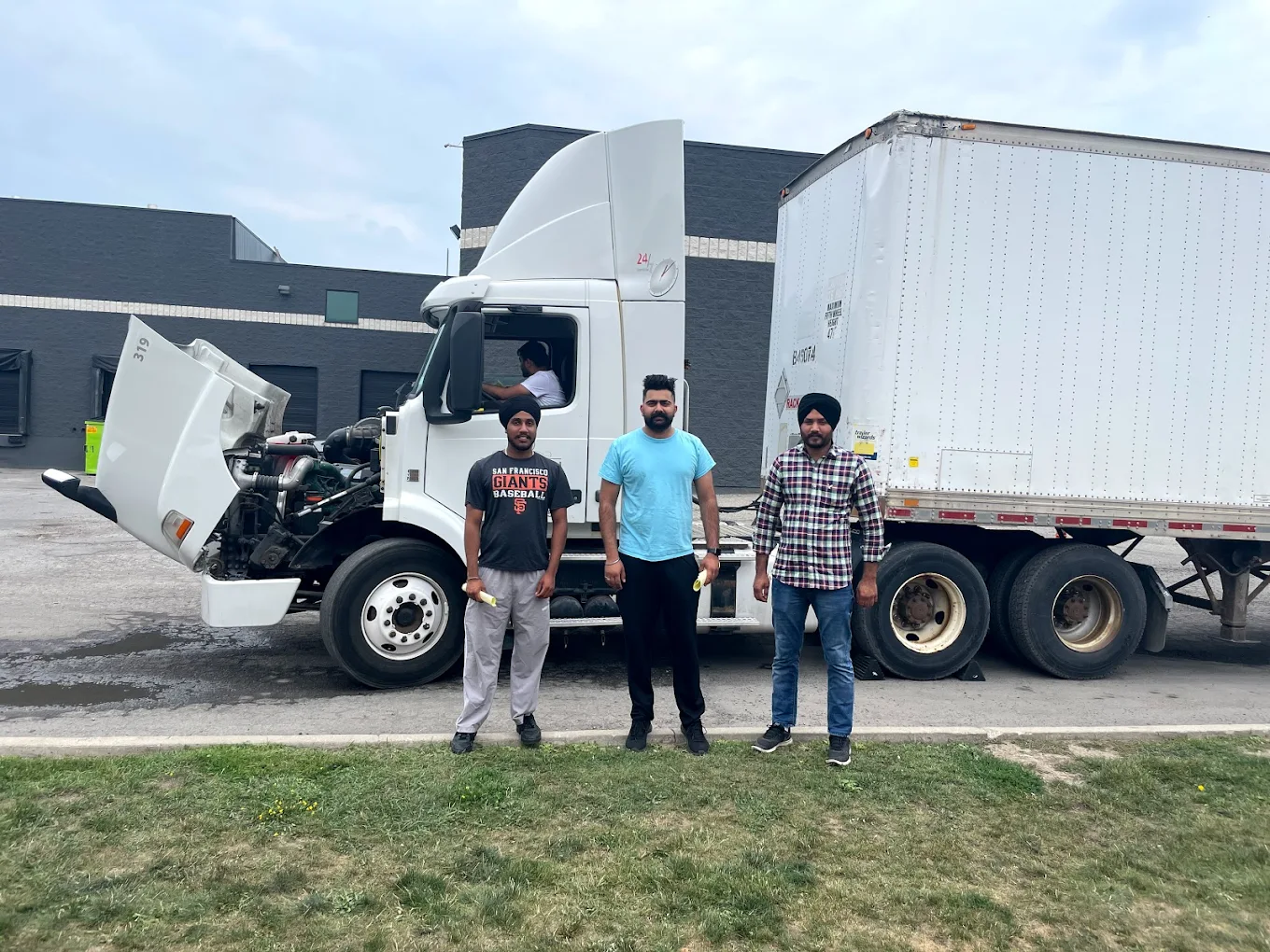
Learning to operate a commercial vehicle takes more than memorizing procedures. Students must understand vehicle control, inspections, observation, space management, safety decisions, and professional responsibilities.
Experienced truck driving instructors can make this learning process easier to understand. They recognize common beginner mistakes, explain difficult tasks in smaller steps, and adjust instruction when a student needs a different approach.
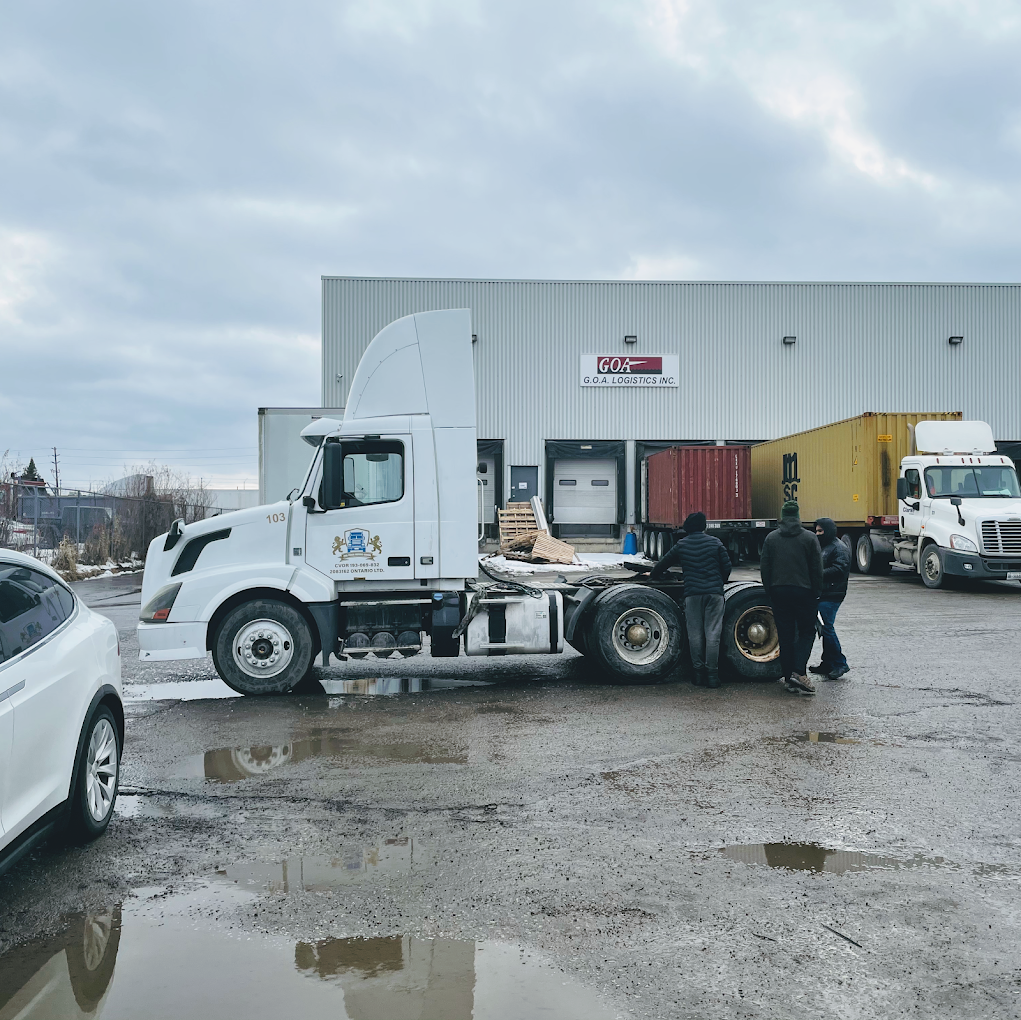
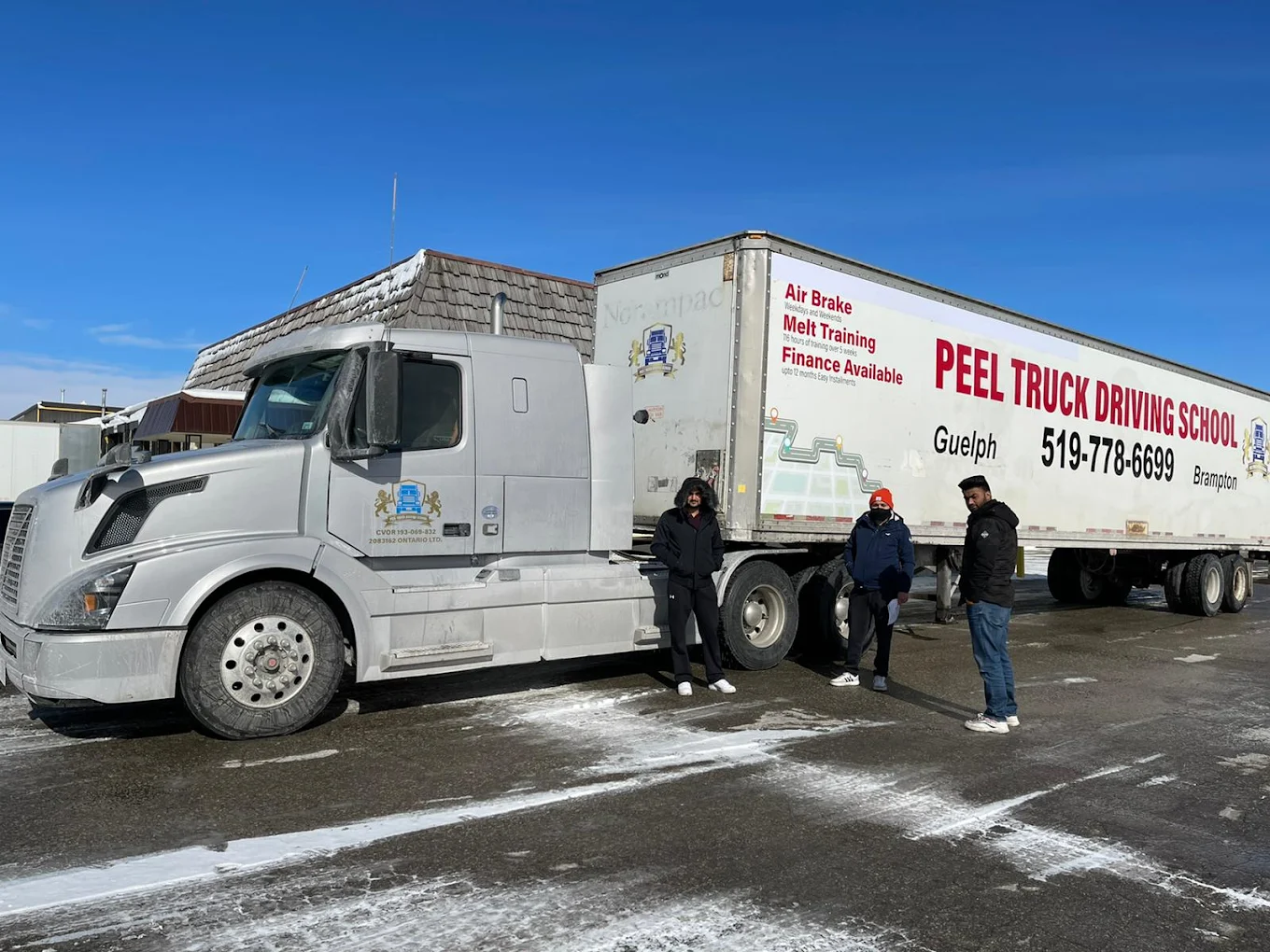
In Brampton, students may eventually practise around busy roads, industrial areas, warehouses, and active commercial traffic. Peel Truck Driving School introduces these conditions gradually as students build foundational skills.
Key Takeaways
- Instructor experience helps identify beginner mistakes earlier.
- Clear demonstrations make difficult vehicle skills easier to understand.
- Specific feedback supports confidence and steady improvement.
- Practical instruction should prepare students for testing and employment.
- Students should compare teaching methods, not only course price or length.
Tip: Ask how instructors give feedback and support students who need extra practice. Clear coaching methods often matter more than fast course completion.
Why Instructor Experience Matters in Commercial Driver Training
Qualifications establish whether a trainer meets the required standard. Experience adds another layer: the ability to recognize why a student is struggling and choose a useful correction.
For example, a beginner may repeatedly position the truck incorrectly while backing. Simply telling the student to try again may not solve the problem. An experienced instructor may notice that the real issue is mirror use, setup position, steering timing, or speed control.
Experienced truck driving instructors can also recognize patterns that students may not notice themselves. They can explain whether a mistake comes from misunderstanding the procedure, looking in the wrong place, or attempting too many actions at once.
This does not mean every experienced trainer teaches identically. Communication style, patience, lesson planning, and the ability to adjust instruction still matter.
Professional Truck Driving Instructors and Coaching Methods
Effective teaching is more than pointing out errors. It follows a clear coaching process.
Demonstration Before Practice
Students often understand a task better after watching it performed correctly. The instructor can demonstrate the setup, observation routine, vehicle movement, and final position before the student attempts it.
Correcting One Problem at a Time
Too many corrections at once can overwhelm a beginner. Strong coaching focuses on the most important issue first, explains the safety reason, and gives the student another attempt.
Repetition With Clear Progress Goals
Repeating an exercise is useful when the student knows what should improve. The goal might be slower vehicle speed, better mirror checks, a more accurate setup, or smoother control.
Professional coaching usually follows a simple cycle: explain, demonstrate, practise, correct, and repeat. This gives each lesson a clear purpose rather than turning it into unstructured driving time.
Truck Driver Instructor Guidance for Difficult Skills
Backing, turning, shifting, inspections, and vehicle positioning can feel complicated because each skill includes several smaller actions.
Qualified instructors break these actions into manageable stages.
During a backing exercise, for example, the lesson may be divided into:
- Choosing the correct starting position
- Checking the space and surroundings
- Establishing mirror reference points
- Controlling vehicle speed
- Making small steering corrections
- Stopping and resetting when necessary
The same approach can be used for wide turns. Students first learn setup, mirror observation, space management, trailer movement where applicable, and recovery after the turn.
This type of practical truck driving instruction helps students understand not only what movement to make, but why the setup and observation routine matter.
Building Confidence Through Commercial Driver Training Support
Confidence should come from repeated safe performance, not from being told that everything is fine.
When students make mistakes, useful feedback identifies the specific problem, explains why it matters, and gives them a clear correction to practise.
Experienced truck driving instructors may also change their explanation when the original method is not working. One student may understand a verbal explanation, while another may benefit more from a demonstration, reference point, diagram, or slower practice attempt.
Constructive Feedback After Mistakes
Feedback should focus on the action rather than making the student feel incapable. A calm correction helps the learner stay focused on improvement.
Adjusting Lessons to the Student
Students do not all progress at the same speed. Additional repetition may be needed before moving to a more difficult exercise.
Gradual Independence
Instructor prompts should decrease as the student improves. The goal is for the student to perform the procedure and make safe decisions without constant reminders.
Practical Truck Driving Instruction for Real Roads
Yard training and road training serve different purposes.
A controlled yard allows students to develop basic vehicle control without managing normal public traffic at the same time. They can practise setup, backing, stopping, turning, inspections, and observation routines.
Supervised road sessions add moving traffic, lane positioning, intersections, speed management, pedestrians, changing signals, and the behaviour of other road users.
This is where experienced truck driving instructors help students connect controlled exercises with real driving decisions. A student must learn when to slow down, how much space to maintain, where to look, and how to respond when conditions change.
Brampton’s industrial areas and busy commercial roads can provide useful learning context once the student has developed enough control to handle them safely.
Road-Test Readiness and Professional Driving Skills
Road-test preparation should help students perform required procedures consistently and safely.
An instructor may assess pre-trip inspection routines, observation, turns, lane positioning, speed control, backing, stopping, and decision-making. Repeated weaknesses can then be addressed before the test.
However, good instruction should extend beyond memorizing one test route. Students also need habits they can use during employment, including:
- Following a consistent inspection routine
- Communicating professionally
- Managing space around the vehicle
- Remaining calm when traffic conditions change
- Completing required documentation
- Recognizing when a manoeuvre should be stopped and reset
This broader approach helps students prepare for both licensing and the responsibilities of a first commercial driving job.
Instructor Experience and Long-Term Learning
Early training habits often continue after a student becomes licensed.
A driver who learns to use the same mirror routine, inspection sequence, space-management method, and decision process repeatedly is more likely to carry those habits into employment.
This is why instructor quality matters beyond the final test. Clear teaching can help students understand the reason behind a procedure rather than performing it only because it may be examined.
The Class A program’s 116 hours of training over 5 weeks structure also shows that commercial driver education is a substantial learning process. Those hours are more useful when lessons include clear objectives, practical feedback, and steady progression.
A strong truck driver learning experience should leave the student better able to assess situations independently, not dependent on constant instructor prompts.
How Do You Compare Instructors in Brampton?
Every school may describe its trainers as experienced, so students should ask more specific questions.
Ask about:
- Commercial driving and teaching backgrounds
- Instructor qualification requirements
- Practical lesson structure
- Individual feedback methods
- Support for nervous beginners
- Progress tracking
- Yard and on-road training arrangements
- Extra-practice policies
- Road-test and employment preparation
- Whether teaching methods remain consistent between trainers
Years of experience can be useful, but the number alone does not explain how someone teaches. Experienced truck driving instructors should also be able to communicate clearly, correct mistakes calmly, and explain how each exercise connects to safety.
Students comparing Brampton schools should pay attention to teaching processes rather than relying only on general claims, course speed, or tuition price.
Conclusion
Experienced truck driving instructors support student success by recognizing mistakes, demonstrating correct procedures, adjusting lessons, and providing feedback that students can apply immediately.
Their role is not simply to prepare someone for a test. Strong instruction should help students develop vehicle control, road awareness, confidence, safety routines, and independent decision-making.
Prospective students in Brampton should compare qualifications alongside communication, coaching methods, practical support, and progress tracking. The most useful instructor is one who can turn technical knowledge into clear, repeatable driving habits.
FAQs
Can Students Request A Different Instructor During Training?
Policies vary between schools, but students can usually raise concerns about communication or learning difficulties with the training provider. A clear discussion may resolve the issue or identify another suitable arrangement.
Should One Instructor Teach Every Part Of The Program?
Not necessarily. Some programs use different instructors for classroom, yard, and road components. What matters is whether teaching methods, progress records, and safety expectations remain consistent.
How Can Students Prepare For Instructor Feedback?
Students should listen carefully, ask for clarification, and apply one correction at a time. Writing down repeated feedback can also help them review weak areas before the next lesson.
Can An Instructor Guarantee That A Student Will Pass?
No responsible instructor can guarantee a road-test result. Performance depends on the student’s preparation, consistency, safety decisions, test conditions, and ability to apply learned procedures independently.
What Happens When A Student Needs More Practice Hours?
Extra-practice options depend on the school and program. Students should ask before enrolling how additional lessons are scheduled, assessed, and priced if they need more time.
Should Students Read Reviews About Individual Instructors?
Reviews may provide helpful context, but they should not be the only deciding factor. Students should also ask direct questions about qualifications, teaching methods, practical support, and lesson structure.