Truck driving environments can vary significantly depending on where the vehicle is operating. Highways offer long stretches of road with steady traffic flow, while city streets involve tighter spaces, intersections, and constant changes in traffic patterns.
Understanding these differences helps new drivers prepare for real-world situations and build confidence behind the wheel. Learning about highway vs city truck driving also helps people considering a trucking career understand the skills required for different routes and freight transportation environments.
Key Takeaways
- Highway driving focuses on speed control, spacing, and lane discipline.
- City driving requires precise maneuvering and awareness of traffic signals, pedestrians, and tight turns.
- Drivers must adjust braking, observation, and reaction time depending on the road environment.
- Both highway and city driving skills are important for commercial truck drivers.
- Training programs help drivers practice different driving environments before starting their career.
Tip: When entering city streets after highway driving, reduce speed early and widen your observation range. This helps you react smoothly to signals, pedestrians, and turning vehicles.
Understanding the Difference Between Highway and City Truck Driving
Highway and city truck driving rely on the same basic driving fundamentals, but the environment changes how drivers apply those skills. Highways usually involve higher speeds and longer travel distances, while city streets require slower speeds and more frequent stops.
For example, highway truck driving conditions focus on maintaining steady speed, monitoring lane position, and observing traffic from a distance. Drivers often travel long stretches without stopping, which requires consistent attention and safe spacing between vehicles.
City driving environments are different. Drivers must deal with signals, pedestrians, delivery areas, and tighter turns. These city traffic driving challenges for trucks require more frequent adjustments in speed and direction.
Because of these differences, traffic navigation for trucks becomes a key skill that helps drivers adapt to both environments.
Urban Truck Maneuvering and City Delivery Vehicle Handling
City routes require a different type of awareness compared to highways. Drivers must navigate narrow streets, parked vehicles, and delivery zones while maintaining safe vehicle control.
Navigating Tight Intersections and Turns
Large trucks require more space to turn than passenger vehicles. Drivers often slow down before reaching intersections and use wider turning angles to prevent the trailer from cutting too sharply.
This approach helps improve urban truck maneuvering and reduces the risk of contacting curbs or nearby vehicles.
Managing Stop-And-Go Traffic
City driving often involves frequent braking and acceleration. Drivers must maintain safe spacing and watch surrounding vehicles carefully to handle dense traffic vehicle control.
Transportation safety reports commonly note that heavy trucks require significantly longer stopping distances than passenger vehicles. Because of this, drivers anticipate stops earlier in congested traffic.
Loading Zones and Delivery Streets
Urban freight routes often include loading docks and designated delivery areas. Drivers performing city delivery vehicle handling must position trucks carefully while staying aware of pedestrians and nearby traffic.
These situations require patience, precise positioning, and constant mirror checks.
Open Road Driving Techniques for Long Distance Freight Driving
Highway driving environments focus more on maintaining steady speed and safe spacing between vehicles. Although traffic interruptions are fewer, drivers must remain alert for long periods.
Maintaining Safe Highway Speed
Professional drivers use consistent speed management to maintain safe distances between vehicles. At highway speeds, small changes in traffic flow can affect braking distance.
Studies from transportation safety organizations show that fully loaded trucks may require much longer stopping distances than passenger vehicles at highway speed. This is why maintaining safe spacing is essential.
Lane Position and Mirror Awareness
Drivers use mirrors frequently to observe vehicles approaching from behind or beside the truck. Maintaining proper lane position improves safety and supports highway merging techniques for trucks.
Managing Long Travel Routes
Drivers performing long distance freight driving often follow planned routes and rest schedules. Planning ahead helps maintain focus and reduces fatigue during long trips.
These habits are part of effective open road driving techniques used by experienced truck drivers.
Traffic Navigation for Trucks and Commercial Vehicle Lane Discipline
Navigating traffic safely requires consistent observation and proper lane management. This applies to both highways and city streets.
For large vehicles, commercial vehicle lane discipline plays a major role in safety. Staying centered in the lane and maintaining safe spacing reduces the chance of collisions.
Drivers also rely on traffic navigation for trucks to anticipate traffic flow and avoid sudden maneuvers. Maintaining steady speed and observing surrounding vehicles allows drivers to make safer lane changes.
Safety research often highlights that proper lane management and following distance are among the most effective ways to reduce accidents involving commercial vehicles.
These practices are part of defensive driving techniques used by experienced truck drivers.
Braking and Vehicle Control in Different Driving Environments
Braking behavior changes depending on the driving environment. Highway speeds and city traffic require different braking approaches.
Heavy trucks weigh significantly more than passenger vehicles, which means braking distance increases as vehicle weight and cargo load increase.
For example, transportation safety studies often show that commercial trucks may require much longer stopping distances than smaller vehicles. This is why drivers begin braking earlier when approaching intersections or slower traffic.
Managing dense traffic vehicle control in cities requires gentle braking and careful observation. On highways, drivers rely more on gradual braking and spacing between vehicles.
Understanding commercial vehicle acceleration control and braking techniques helps drivers maintain smoother vehicle movement in both environments.
How Highway vs City Truck Driving Skills Shape a Truck Driver’s Career
Many new drivers assume they must choose between city driving or highway driving early in their careers. In reality, most drivers gain experience in both environments.
Regional delivery routes often involve urban freight movement, where drivers operate within cities and surrounding areas. Long-haul trucking typically focuses on highway routes connecting cities and provinces.
Each type of route develops different driving habits. City driving builds maneuvering skills and quick decision making. Highway driving strengthens route planning and long-distance awareness.
Understanding highway vs city truck driving helps drivers adapt to different freight transportation environments and expand their career opportunities.
Training for Both Highway and City Truck Driving in Brampton
Commercial driver training programs are designed to prepare students for different road environments. Drivers learn how to operate safely on highways and within city streets.
In Ontario, training programs often include practical instruction covering lane discipline, braking awareness, and safe navigation in various traffic conditions.
Students preparing for a commercial licence also learn about vehicle inspections, defensive driving habits, and road awareness skills.
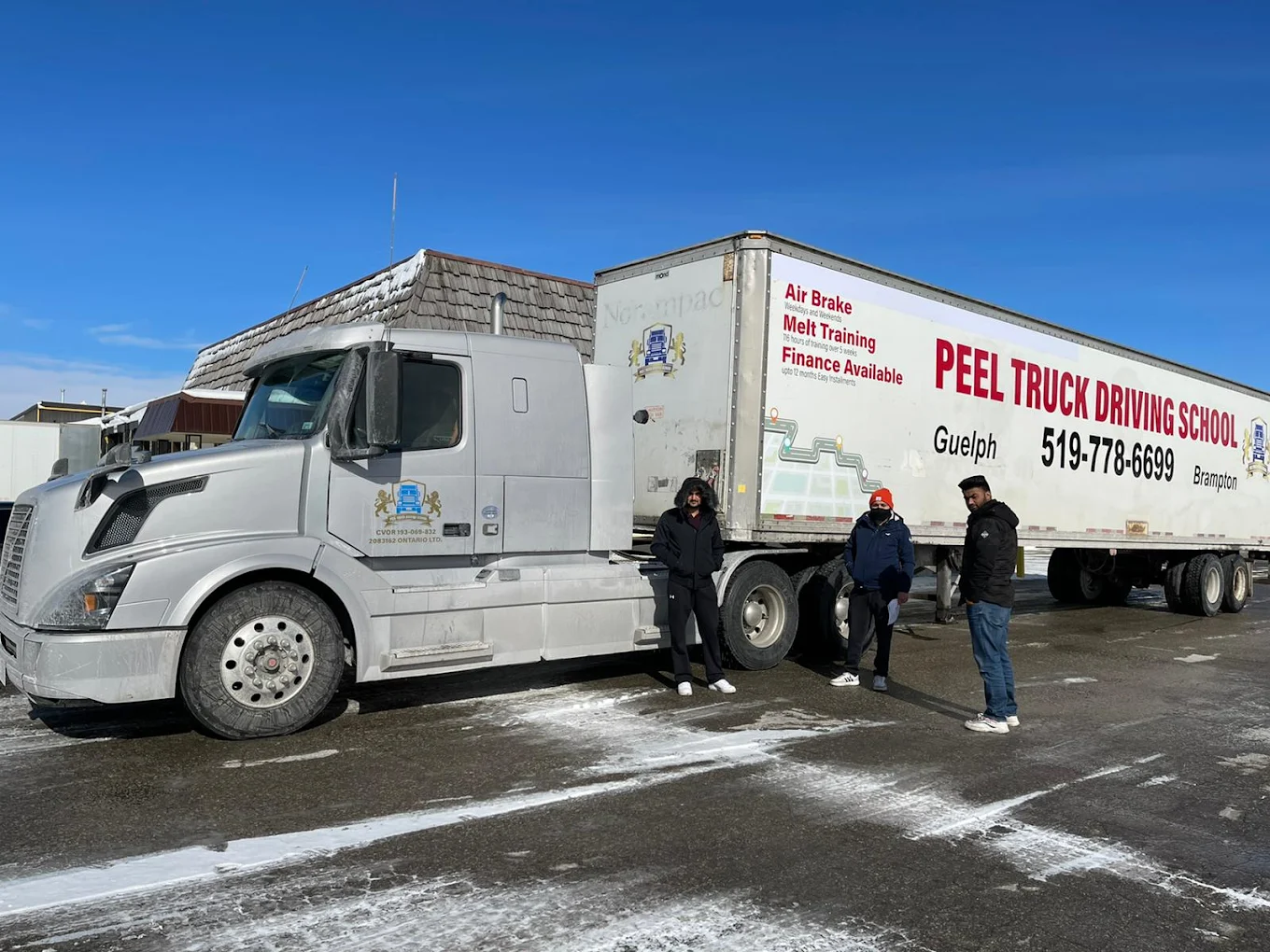
For individuals considering a trucking career in Brampton, training programs such as the AZ License course introduce the driving techniques needed for both highway and urban trucking environments. Schools like Peel Truck Driving School provide instruction designed to help drivers understand real-world driving situations.
Conclusion
Highway and city truck driving require different techniques, awareness levels, and decision-making approaches. Highway routes emphasize steady speed, safe spacing, and long-distance awareness, while city driving focuses on maneuvering, traffic observation, and precise vehicle control.
Understanding highway vs city truck driving helps future drivers prepare for the variety of conditions they will encounter in the trucking industry. With proper training and experience, drivers develop the skills needed to operate safely in both environments.
FAQs
Can A Truck Driver Switch Between Highway And City Routes Easily?
Yes, many truck drivers operate in both environments during their careers. While highway and city driving require different habits, the core driving principles remain the same. With experience, drivers learn to adjust speed control, observation range, and maneuvering techniques depending on the road environment.
Does Cargo Type Affect Highway And City Truck Driving?
Yes, the type of cargo can influence how a truck is driven. Heavier or sensitive freight may require smoother acceleration and braking, especially in city traffic. On highways, cargo weight and balance can also affect vehicle stability and stopping distance.
Are Navigation Systems Important For City Truck Driving?
Navigation tools designed for commercial vehicles can help drivers avoid restricted roads, low bridges, and tight turns. These systems are especially useful in cities where delivery routes may involve complex street layouts and traffic regulations.
How Do Weather Conditions Impact Highway And City Truck Driving?
Weather can affect both environments differently. Rain, snow, or fog may reduce visibility and traction on highways, while icy intersections and wet roads can make city driving more challenging. Drivers adjust their speed and spacing to maintain control in changing conditions.
Do Truck Drivers Need Different Licenses For Highway And City Driving?
In most cases, the same commercial driver’s license allows drivers to operate in both environments. The key difference lies in the type of routes and freight assignments rather than the license itself.
What Habits Help New Truck Drivers Adapt To Different Driving Environments?
New drivers often benefit from developing strong observation skills and maintaining safe following distances. Practicing smooth acceleration, controlled braking, and careful lane positioning helps drivers adjust more easily between highway and city routes.