Commercial truck driving is not learned only from a handbook or only from time in the driver’s seat. Students first need to understand road rules, vehicle systems, inspections, and safe decision-making.
That is why classroom instruction and behind-the-wheel training are connected parts of one learning process. The classroom explains what to do and why it matters. Practical lessons allow students to perform those actions, receive instructor feedback, and improve through repetition.
Key Takeaways
- Classroom instruction builds essential commercial driving knowledge.
- Practical lessons turn rules and procedures into repeatable actions.
- Yard practice helps students gain control before entering complex road situations.
- Instructor feedback connects theory with actual vehicle behaviour.
- Brampton students should compare classroom, yard, and personal driving time before enrolling.
Tip: Before enrolling, ask how classroom topics connect to yard and road lessons, and confirm whether actual driving time is separate from observation time.
Commercial Driver Classroom Training as the Foundation
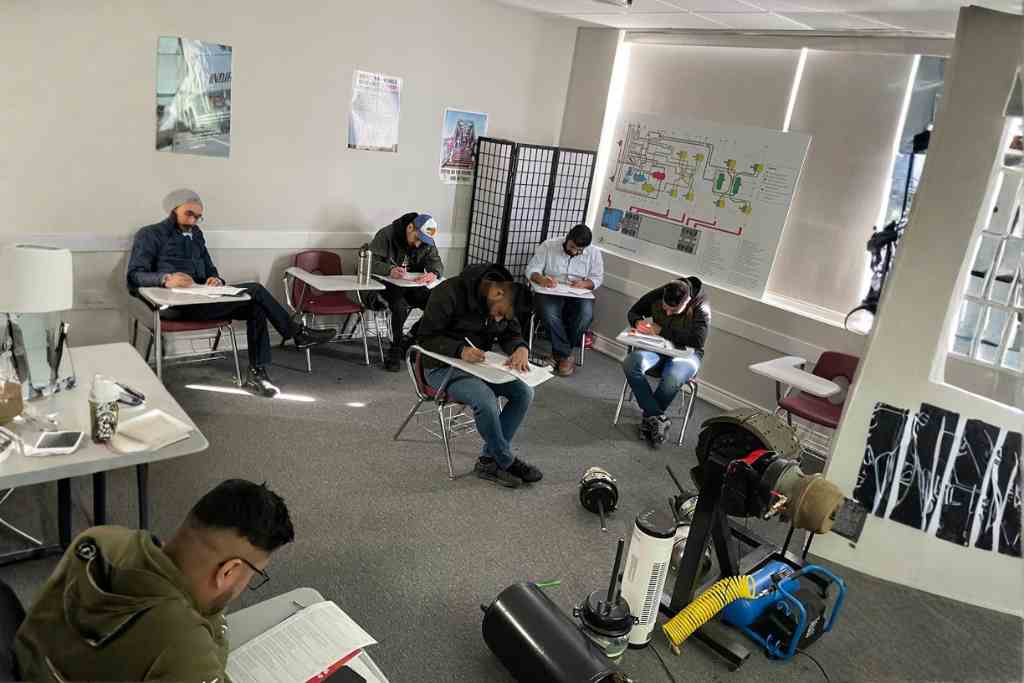
Classroom learning gives students a clear framework before they begin controlling a large vehicle. It covers safety procedures, driving rules, vehicle knowledge, and the reasoning behind common commercial driving tasks.
Commercial Rules and Responsibilities
Truck driving classroom lessons may cover road signs, following distance, hours-of-service concepts, safe speed selection, professional responsibilities, and defensive driving.
These topics help students understand that commercial driving decisions must account for vehicle size, weight, traffic, road conditions, and stopping distance.
Vehicle Systems and Inspection Knowledge
Students learn the names and purposes of important vehicle components before inspecting them on a real truck.
In Ontario, qualifying commercial vehicles must receive a daily inspection within the required 24-hour period. This means inspection knowledge is not simply test material. It is part of a commercial driver’s regular responsibility. rd Awareness
Classroom examples help students think through blind spots, changing traffic, intersections, weather conditions, and space management.
Understanding these risks in advance can make it easier to recognize and respond to them during a supervised road lesson.
What Happens During Behind-the-Wheel Training?
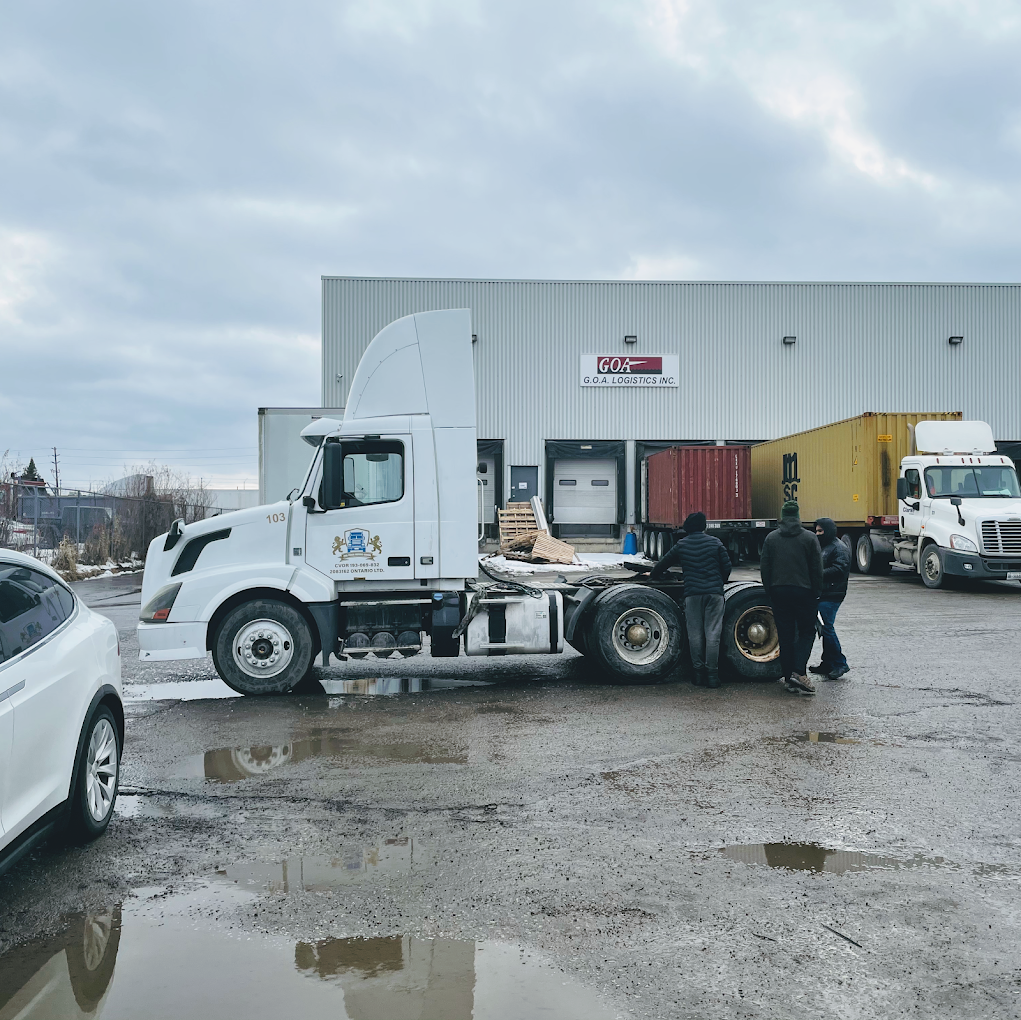
Practical instruction generally begins with vehicle familiarization rather than placing a beginner in a difficult traffic situation immediately.
Students may first learn seating position, mirror adjustment, vehicle controls, steering, braking response, and the dimensions of the truck.
Controlled yard practice can then introduce:
- Starting and stopping
- Backing and positioning
- Low-speed turns
- Coupling procedures
- Basic vehicle control
Road lessons add more variables. Students practise observation, lane position, speed management, turns, braking, mirror use, and decision-making while conditions change around them.
The exact progression depends on the program and the student’s development. However, the general process is to begin with manageable tasks, add complexity gradually, and use instructor feedback to improve consistency.
Truck Driver Theory and Practical Training as One Process
The classroom and the truck are not separate learning environments.
A mirror routine discussed in class becomes a repeated observation habit on the road. A turning diagram becomes a real decision about setup, speed, available space, and trailer tracking.
A vehicle defect described during a lesson becomes a physical component the student must locate and inspect.
This is where behind-the-wheel training makes theory easier to remember. The student is no longer trying to memorize an isolated rule. The rule now has a visible purpose and a physical action connected to it.
Practical experience also makes later classroom discussions more meaningful because students can connect new information with situations they have already experienced.
Hands-On Truck Driver Training for Core Skills
Combined instruction develops more than the ability to move a truck forward. It builds inspection habits, vehicle awareness, controlled movement, and road judgment.
Inspection and Vehicle Awareness
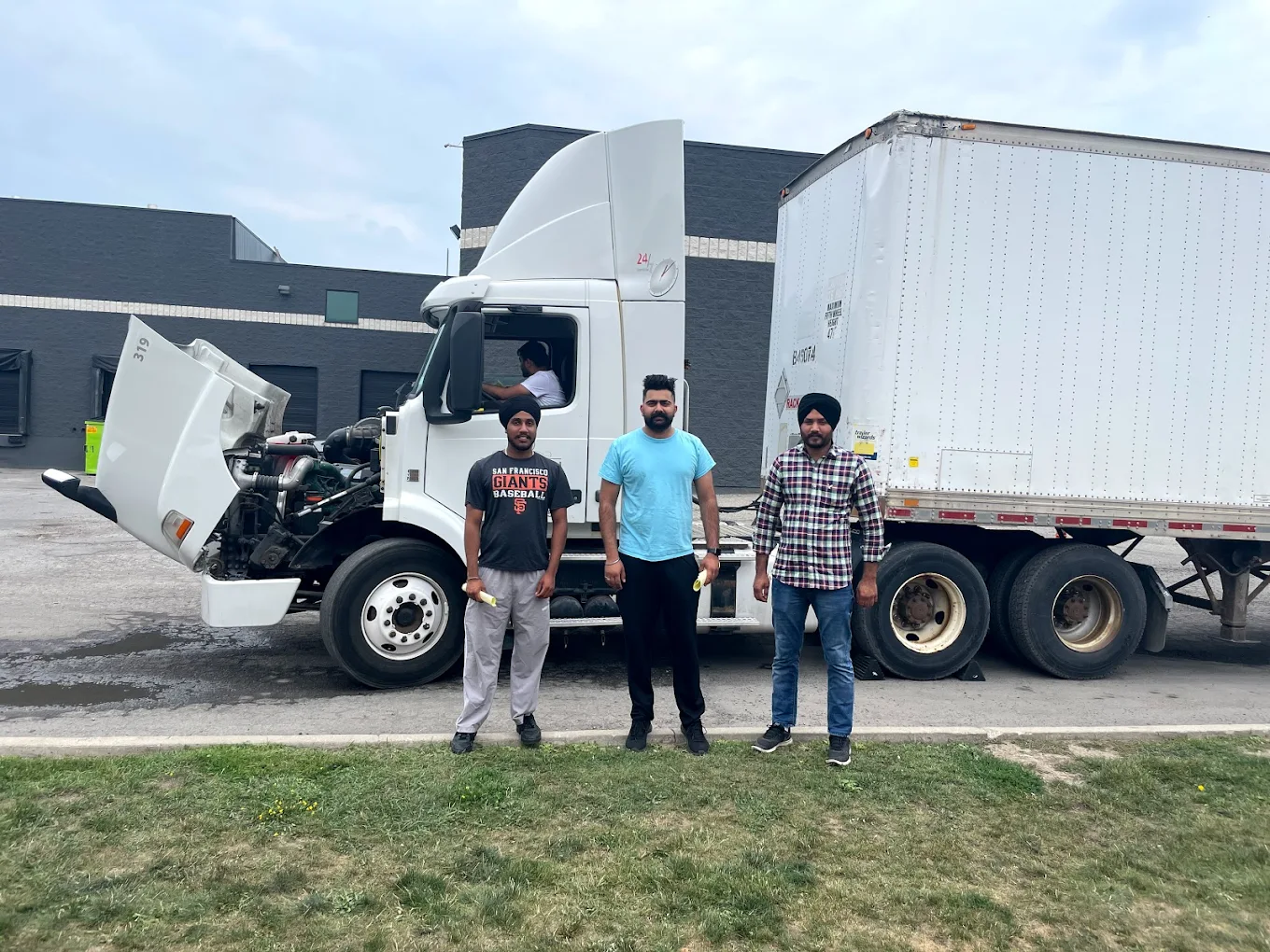
Students connect classroom terminology with real components on the training vehicle. They learn where to look, what condition to check, and how a defect could affect safe operation.
Ontario’s commercial road-test guidance requires drivers to provide a valid completed Daily Inspection Report before the road test. This is a clear example of theory and practical procedure working together. ing, Turning, Braking, and Positioning
Large commercial vehicles require more space than passenger cars.
Repeated practice helps students judge turning paths, trailer movement, stopping distance, lane position, and the amount of space needed around the vehicle.
Instead of relying on guesswork, students learn to use mirrors, reference points, proper setup, and controlled movements.
Observation and Decision-Making
Students practise scanning ahead, checking mirrors, managing following distance, watching surrounding traffic, and adjusting their speed.
An instructor can identify missed checks, late decisions, or positioning problems while the situation is still fresh in the student’s mind.
Classroom and Practical Training Compared
Neither type of instruction replaces the other.
Classroom learning develops understanding, while behind-the-wheel training develops vehicle control, timing, coordination, and real-time judgment.
For example, a student may understand the correct following distance but still need practice maintaining it when traffic speed changes. Another student may steer smoothly but need stronger knowledge of inspections or safe operating procedures.
The most useful comparison is not theory versus practice. It is knowledge plus application.
Commercial driving requires both because knowing the correct action and performing it safely and consistently are different abilities.
Brampton Training Conditions and Local Learning
Brampton is closely connected to freight, logistics, and commercial transportation.
A City of Brampton goods-movement discussion paper reports more than 12,000 businesses classified under transportation and warehousing. It also identifies major freight connections such as Highways 407 and 410 and the CN Brampton Intermodal Yard. In simple terms, commercial vehicle activity is a regular part of the local transportation environment. actical lessons may expose students to urban intersections, multi-lane roads, industrial areas, changing traffic volumes, and different types of road users.
Training routes differ between programs. Students should ask where road lessons take place rather than assume every school provides the same local driving experience.
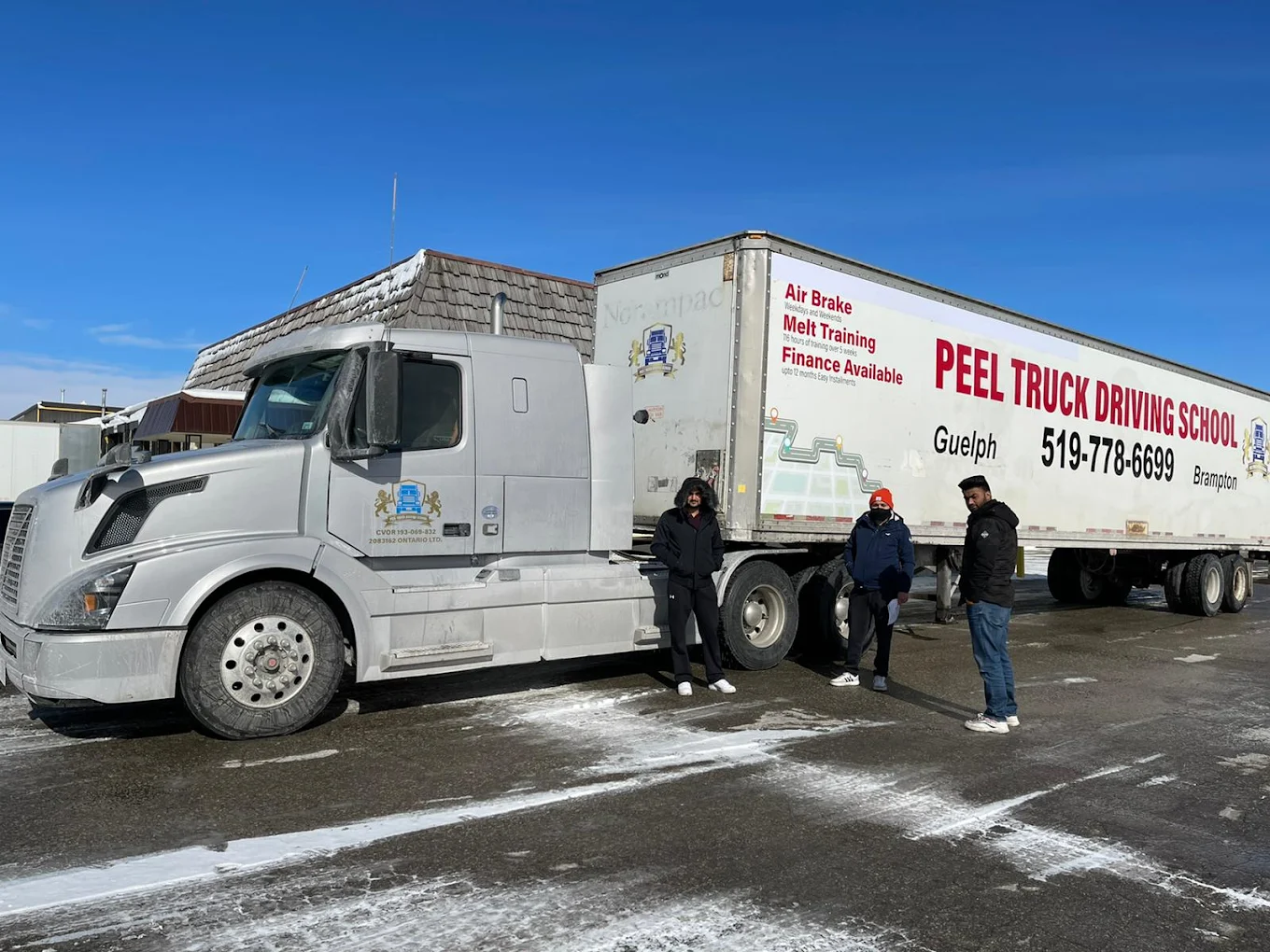
Prospective students can ask Peel Truck Driving School how classroom instruction, yard exercises, and supervised road practice are organized within its Brampton programs.
Choosing a Complete Commercial Driver Training Program
The total course length does not always explain how the training time is divided.
Before enrolling, students should ask how much time is spent in the classroom, in the yard, observing another driver, and personally operating the truck.
Useful questions include:
- How are classroom topics reinforced during practical lessons?
- How much actual driving time does each student receive?
- Is observation time recorded separately?
- How is student progress evaluated?
- Are additional practice hours available?
- What do extra practice sessions cost?
- Where does each part of the program take place?
- What happens when a student struggles with one skill?
These questions help students compare the complete learning process instead of looking only at the advertised price or course duration.
Clear answers also make it easier to understand what instructor support and practical access are included before the road test.
Conclusion
Classroom learning explains commercial driving rules, vehicle systems, inspection procedures, and safe decision-making. Yard and road lessons turn that information into practical actions a student can repeat under changing conditions.
The value of behind-the-wheel training is strongest when every manoeuvre connects to a reason already understood in class.
Students can then move through a realistic learning cycle: understand the concept, observe the procedure, practise the skill, receive feedback, and repeat it with greater control.
For new students, the goal is not immediate perfection. It is steady progress from knowledge to safe and consistent driving practice.
Frequently Asked Questions
Can Students Take Notes During Practical Driving Lessons?
Students can usually write down feedback before or after a driving session, but taking notes while actively operating the vehicle would be unsafe. A small notebook can help record recurring corrections, inspection steps, and questions to discuss with the instructor.
What Should Students Wear for Yard and Truck Lessons?
Comfortable clothing and secure, closed-toe footwear are sensible when moving around a commercial vehicle and operating pedals. Students should ask whether reflective clothing, gloves, safety footwear, or other protective equipment is required for yard activities.
Can A Student Request Extra Practice Before the Road Test?
Many schools offer additional practice, but availability, scheduling, and cost can vary. Students should ask early so extra sessions can focus on a specific concern such as backing, shifting, inspections, turning, or road positioning.
Are Practical Lessons Shared With Other Students?
Some programs use one-to-one instruction, while others may include shared vehicle time or student observation. Ask how the school records personal driving time so you can distinguish your own practice from time spent watching another student.
What If English Is Not A Student’s First Language?
Commercial driving involves technical terms, verbal instructions, road signs, and written material. Asking about terminology lists, teaching methods, and available learning support before enrolment can help students understand important safety information.
Can Students Practise Truck Skills Outside Scheduled Lessons?
Commercial vehicles should only be used with proper permission, legal authority, supervision, and insurance. Students can still review inspection sequences, diagrams, road rules, and instructor notes between scheduled driving sessions.