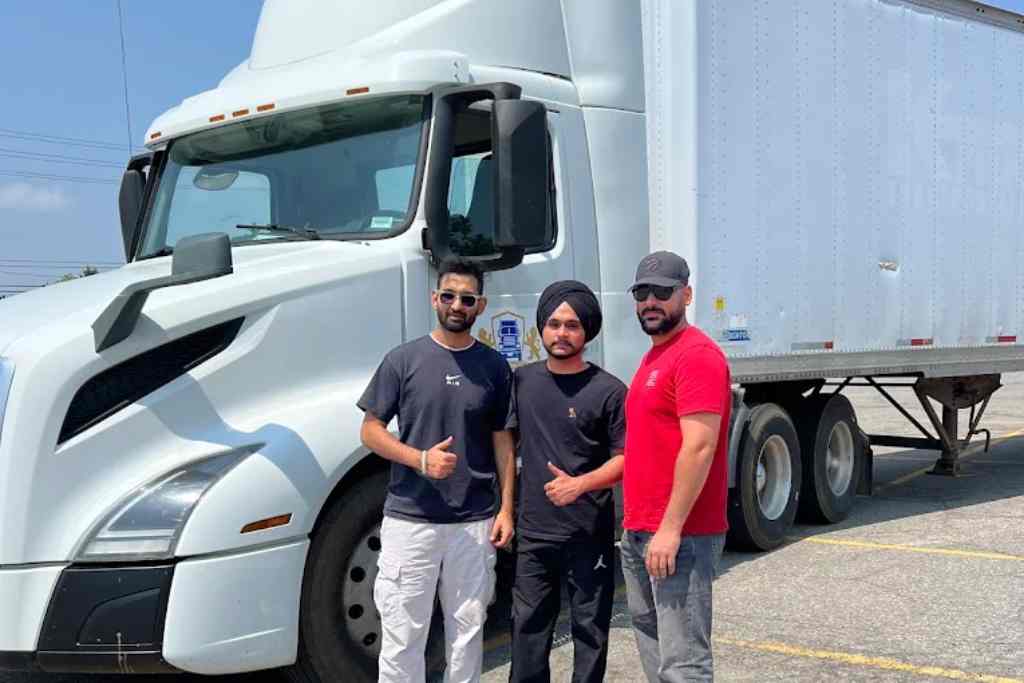
Choosing a trucking career is a practical decision for many individuals in Ontario. Freight transportation supports grocery stores, construction sites, manufacturing, and retail every single day. That steady demand creates real opportunity.
Understanding the Benefits of Enrolling in a Truck Driving School helps you decide whether formal training is the right first step. While some people try to learn informally, structured programs are designed to prepare you for licensing, safety, and employment expectations from the beginning.
In a city like Brampton, located near major highways and logistics hubs, professional training can play a major role in long-term career success.
Key Takeaways
- Structured programs follow provincial licensing standards.
- Hands-on truck training builds real driving confidence.
- Certification improves employer credibility.
- Defensive driving and safety knowledge are essential.
- Training supports long-term commercial driving career growth.
Tip: Before enrolling, review your driving abstract and confirm medical eligibility. Fixing small issues early can prevent licensing delays later.
Structured CDL Education and Professional Driver Training Advantages
One major advantage of structured CDL education is organized progression. Instead of guessing what to practice, students follow a Ministry-approved driving curriculum designed for commercial license preparation.
Professional driver training advantages include step-by-step classroom instruction, supervised road practice, and compliance education. Ontario licensing requires standardized training hours before testing. That structure reduces beginner errors and builds consistent habits.
Formal programs also address driver compliance training, ensuring students understand regulations from day one.
This approach prevents long-term bad habits that informal learning often overlooks.
Hands-On Truck Training and Job-Ready Driver Skills
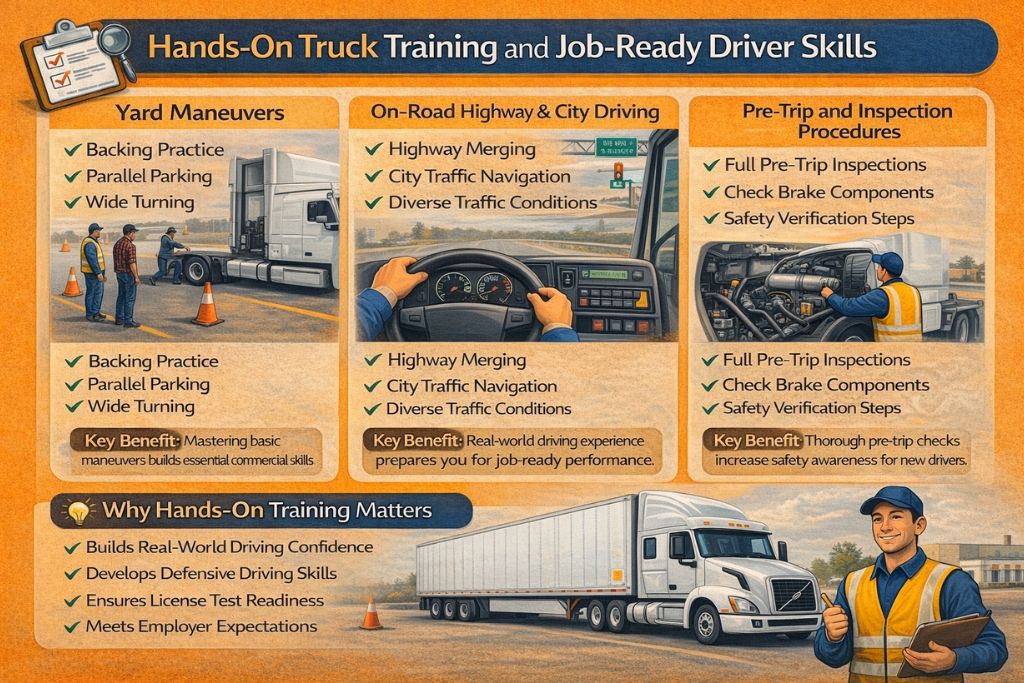
Classroom learning alone is not enough. Hands-on truck training develops job-ready driver skills through supervised repetition.
Yard Maneuvers and Backing Practice
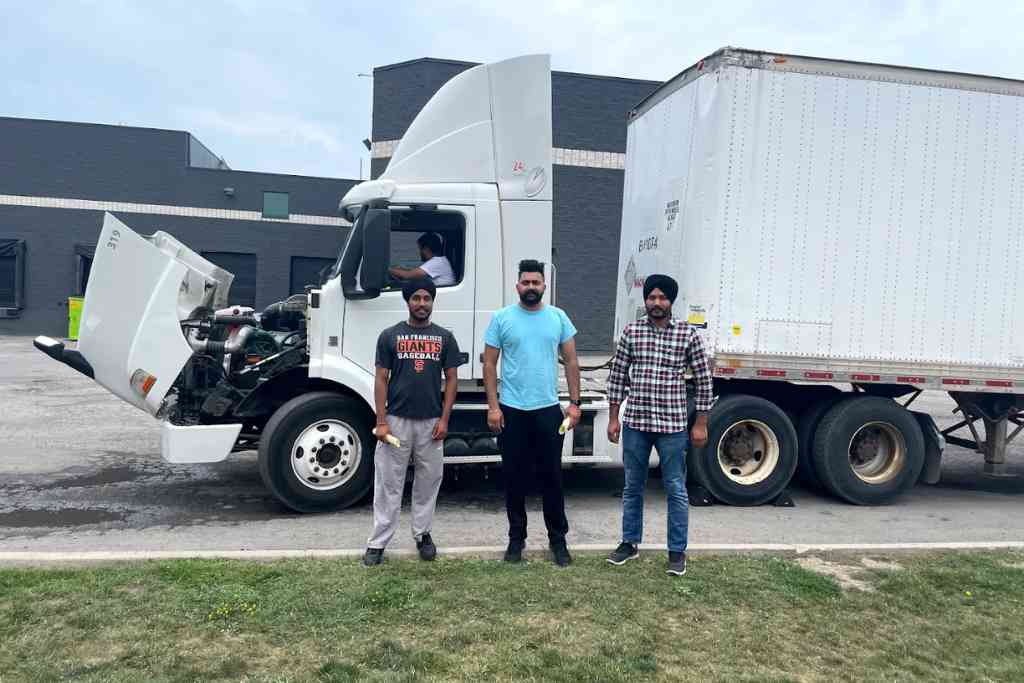
Students practice reversing, parking, and wide turns. These are critical commercial vehicle operation skills employers expect.
On-Road Highway and City Driving
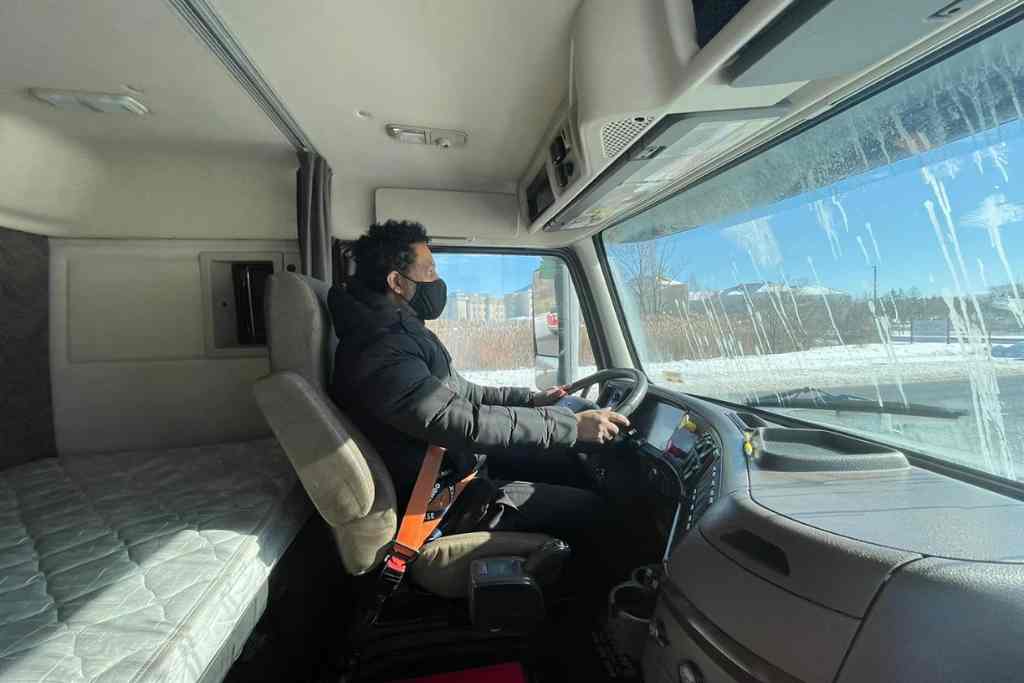
Driving on real roads builds practical driving experience under varying traffic conditions.
Pre-Trip and Inspection Procedures
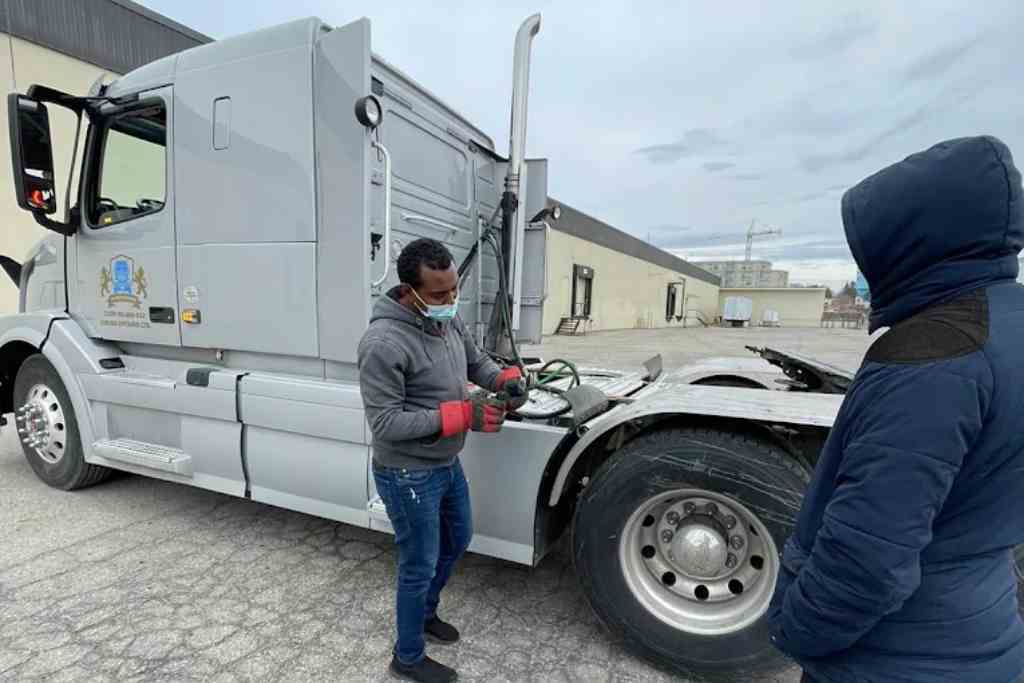
Pre-trip inspection training prepares students to identify safety issues before operating heavy vehicles.
Employers often look for new drivers who can confidently perform inspections and manage defensive driving techniques for trucks.
This ensures graduates are not only licensed, but ready.
Licensing Compliance and Industry-Recognized Certification
In Ontario, Mandatory Entry-Level Training (MELT) is required before road testing for certain licenses. Industry-recognized certification confirms you completed approved training.
Structured CDL education ensures you meet provincial requirements for AZ license preparation in Brampton or DZ license course benefits.
Certification matters because employers often review training background when assessing new applicants. It demonstrates commercial driver training readiness aligned with provincial rules.
Formal schooling is not just helpful, it ensures compliance.
Road Safety Knowledge and Defensive Driving Standards
Commercial trucks weigh significantly more than passenger vehicles. That difference changes braking distance, turning radius, and hazard response.
Professional driver training advantages include deep road safety knowledge beyond basic driving.
Hazard Awareness and Space Management
Drivers learn to manage blind spots and maintain safe following distances.
Air Brake and Load Security Awareness
Understanding heavy vehicle braking systems and air brake endorsement training improves operational safety.
According to transportation safety studies, large vehicles require longer stopping distances compared to cars. That makes structured training essential.
Safety is not optional in trucking.
Commercial Driving Career Growth and Higher Earning Potential Trucking
Commercial driving career growth often begins with proper licensing. Advanced certifications can expand route eligibility.
Higher earning potential trucking is often tied to long-haul or specialized freight roles. Employers may offer better compensation to drivers with industry-recognized certification.
In Ontario, trucking salary expectations vary by route type and experience level. Drivers operating long-haul routes often earn more than local delivery drivers.
Training supports freight transport career stability by preparing drivers for varied roles.
Faster Entry Into the Workforce and Local Opportunities in Brampton
Many truck training programs are designed to prepare students within weeks rather than years.
Brampton’s location near major freight corridors supports entry-level trucking opportunities. Local logistics operations rely on trained drivers.
Structured programs focus on job-ready driver skills that align with employer expectations.
Graduates often begin applying for roles immediately after completing licensing requirements.
Local familiarity can also help during testing and employment searches.
Long-Term Professional Development and Industry Networking
Enrolling provides more than a license. It builds a professional foundation.
Industry-recognized certification supports advancement into specialized trucking endorsements, hazardous materials training, or fleet management pathways.
Professional driver training advantages include exposure to industry standards that extend beyond entry-level driving.
Over time, drivers may expand into instructor roles or supervisory positions.
Strong foundational training supports long-term professional driving standards.
Is Enrolling in a Truck Driving School Worth It for Your Career?
For many individuals, the investment comes down to return. Structured CDL education builds compliance, skill, and employability at the same time.
When considering the Benefits of Enrolling in a Truck Driving School, think beyond the license. Training improves safety, credibility, and career access.
Higher earning potential trucking and driver confidence development often depend on foundational preparation.
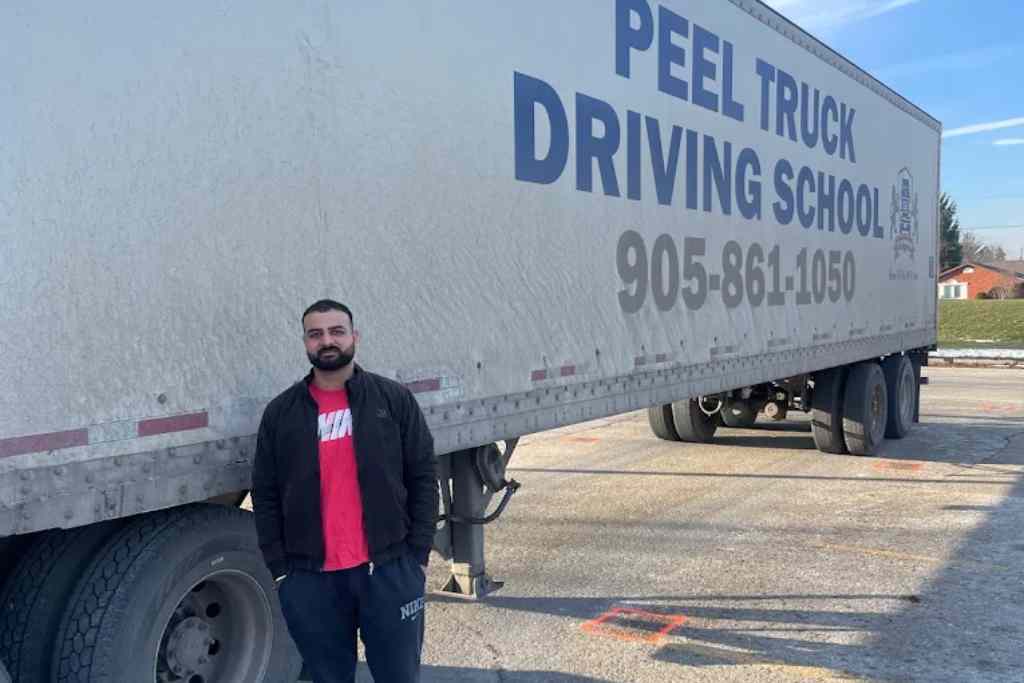
If you are evaluating programs locally, Peel Truck Driving School provides structured training aligned with provincial requirements.
Ultimately, enrolling is about building a stable pathway in a regulated industry.
Conclusion
A trucking career offers stability, growth, and practical income opportunities. However, success depends on preparation.
The Benefits of Enrolling in a Truck Driving School extend beyond learning to operate a vehicle. They include licensing compliance, structured skill development, safety awareness, and long-term career potential.
When you approach training with clarity and realistic expectations, you build a stronger start in Ontario’s commercial driving industry.
Frequently Asked Questions
Does truck driving school help if I want to work outside Ontario?
Yes. Commercial licenses are recognized across Canada, although each province may have minor administrative requirements. Certified training ensures you meet national safety standards.
Are there age limits for enrolling in truck driving school?
In Ontario, you must meet the minimum licensing age requirements. For most commercial licenses, that means being at least 18 or older with a valid G license.
Will I need additional endorsements after completing basic training?
It depends on your career goals. Some drivers pursue endorsements such as air brakes or specialized freight certifications to expand job opportunities.
Is trucking physically demanding, and does training prepare you for that?
Driving itself is not highly physical, but loading checks, inspections, and long hours require stamina and focus. Training prepares you for these daily responsibilities.
What mistakes do new drivers make without formal training?
Common issues include improper inspections, poor backing control, and misunderstanding regulations. Structured programs help prevent these errors early.