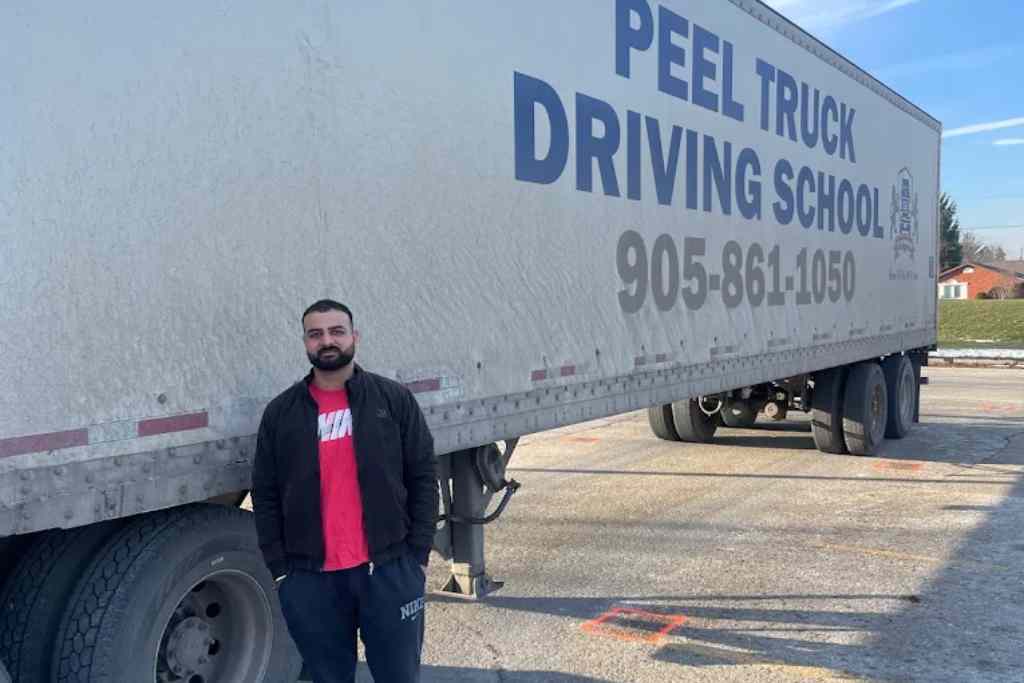
Choosing the truck driving school that fits your goals is one of the most important steps in starting a commercial driving career. New drivers in Ontario often look for clear guidance on training quality, licence pathways, and the level of instruction they will receive. Whether someone plans to pursue an AZ licence for tractor-trailers, a DZ licence for straight trucks, or a Z endorsement for air-brake vehicles, the foundation always starts with structured professional training. Schools such as Peel Truck Driving School represent the type of institution new drivers often consider when beginning this journey.
A complete plan for new drivers includes understanding the qualities of a strong training school, the types of programs available, typical training timelines, and the key factors that influence the right choice for each career path. The goal is to present clear, structured information in a practical, instructor-style format that supports beginners entering the truck training system in Ontario.
What Defines the Best Truck Driving School?
A strong truck training institution is built on safety, consistency, and well-structured instruction. The best schools are MTO-approved, meaning they follow official Ontario training standards and use proper equipment for instruction. Approval ensures that the curriculum aligns with Ministry requirements and that students receive education that supports safe commercial driving habits.
Instructor experience plays a major role as well. Schools with skilled instructors offer clearer explanations, more accurate demonstrations, and better guidance throughout the learning process. Students benefit from hands-on coaching, real-world insights, and detailed feedback.
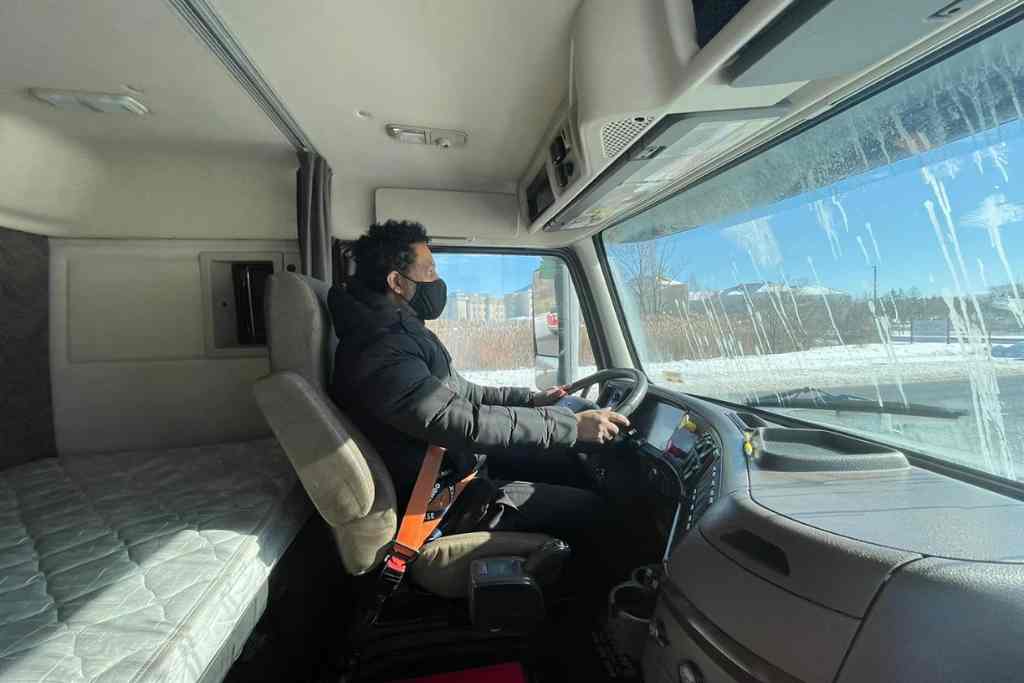
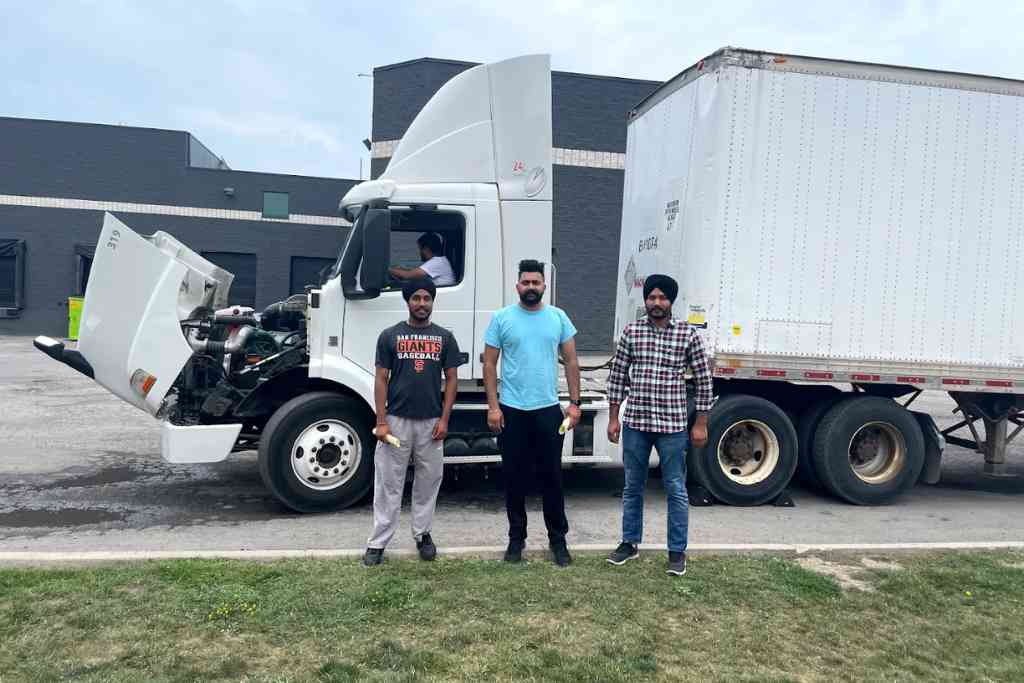
A reliable training yard is another important factor. It must provide space for backing, turning, practicing inspections, and rehearsing the skills required for commercial road tests. Schools should also maintain trucks and equipment to high safety standards.
Consistency in teaching is essential. A structured program ensures every student receives the same level of truck driver training, regardless of schedule or skill level. When these elements come together, training becomes safe, efficient, and effective.
Types of Courses Offered by Ontario Truck Driving Schools
Ontario’s commercial training institutions offer several core program types, each designed for specific vehicle categories and licensing goals. While exact hours and costs vary, most schools follow similar training pathways.
The AZ tractor-trailer program prepares students to operate articulated combination vehicles. This course covers highway driving, backing, wide turns, inspections, and professional safety techniques required for long-haul and regional trucking roles.
The DZ straight truck program focuses on commercial vehicles equipped with air brakes and weighing over 11,000 kg. It is commonly pursued by drivers entering construction, delivery, or municipal work.
The Z endorsement trains drivers to operate air-brake-equipped trucks. It includes system theory, safety checks, pressure management, and mechanical fundamentals.
Schools may also offer refresher training or specialized sessions depending on student needs. Even though the structure varies, all programs fall under broader courses for truck drivers designed to support licensing in Ontario.
Basic Requirements for Enrolling in a Truck Driving School in Ontario
Before registering with a training provider, new drivers must meet standard provincial requirements. These rules ensure that each student beginning training is eligible for the licence they plan to pursue.
Students must be at least 18 years old, the minimum age for most commercial driver licensing in Ontario. A valid Class G licence is required before beginning training for AZ or DZ classes. Medical fitness is also essential. Commercial driving requires an approved medical exam to confirm the individual can safely operate heavy vehicles.
Written tests may be required depending on the licence goal. For example, future Class A or Class D drivers must pass written examinations on signs and rules before scheduling a road test. Schools usually recommend preparing for these ahead of time.
These basic requirements ensure every trainee begins their commercial education on stable, compliant footing.
How Long Is Truck Driving School in Ontario?
The duration of training depends heavily on the type of licence a student is pursuing. Some programs require several weeks, while others can be completed in a shorter timeframe.
For example, full tractor-trailer training programs may take multiple weeks, especially when schedules combine in-class theory, yard practice, and on-road driving. Students often attend weekday or weekend sessions, which affects the total length of the program.
DZ programs sometimes require fewer weeks overall, depending on the depth of instruction and scheduling availability. Z endorsement training can be completed relatively quickly because it is focused on air-brake systems and practical testing.
Refresher programs vary widely, offering tailored assistance for drivers who need practice before a road test or returning to the industry.
Because schedules differ from school to school, the length of training often depends on availability, class size, and whether sessions are part-time or full-time.
How Many Hours Is Truck Driving School?
Exact hour requirements differ by licence type, but most programs include three essential components: classroom instruction, yard practice, and on-road driving.
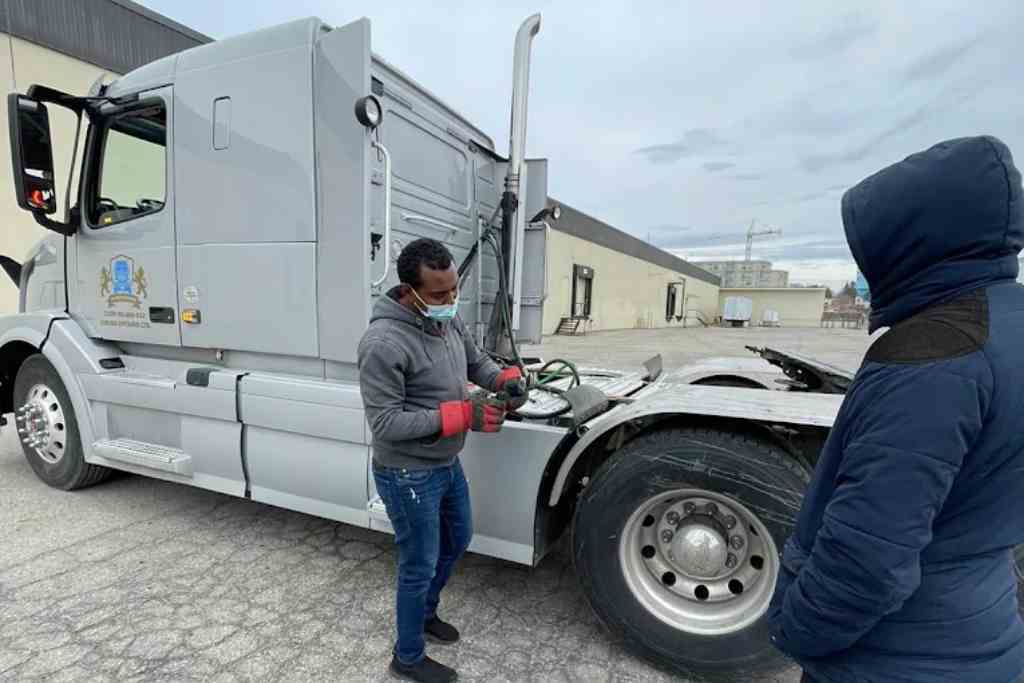
Classroom sessions typically cover theory, safety procedures, traffic rules, professional conduct, and vehicle fundamentals. Yard sessions involve hands-on inspection practice, coupling and uncoupling (for AZ students), and backing techniques. On-road driving includes city routes, highway operation, turning, merging, and applying safety strategies in real traffic.
Some training days may involve short sessions focused on one skill, while others may be full-day commitments with combined theory and driving. Schools often structure hours to support steady, progressive learning so students gain confidence through repetition.
Even though training hours vary, the overall structure is designed to ensure new drivers receive adequate preparation before attempting their commercial road test.
Understanding Truck Driving School Costs in Ontario (Explanation)
Training costs depend on several factors, and schools structure their fees based on curriculum depth and training requirements. The type of licence, such as AZ, DZ, or Z, significantly affects overall cost because each requires different levels of instruction.
Programs with more driving hours and complex vehicle instruction generally cost more. The quality and maintenance of training equipment also influence tuition. Larger trucks, specialized units, and advanced components require ongoing upkeep.
Instructor time is another major factor. Commercial truck training relies heavily on one-on-one or supervised instruction, and experienced instructors contribute directly to training quality.
Flexible scheduling, such as evenings or weekends, may impact overall pricing as well. While no exact numbers can be given, these elements all contribute to how schools determine training costs.
Choosing the Right Truck Driving Class for Your Goals
Selecting the right truck driving class depends on the type of work you want to pursue. Different licence classes support different career paths, and understanding these pathways helps new drivers choose wisely.
Those aiming for long-haul or regional transport typically pursue the AZ licence because it covers tractor-trailers and combination vehicles. This pathway leads to roles in logistics, freight movement, and highway driving.
The DZ licence supports jobs in local delivery, construction, municipal operations, waste management, and utility services. Many drivers choose DZ for stable, predictable schedules in city environments.
The Z endorsement is ideal for individuals needing qualification to operate air-brake-equipped trucks. It is often combined with other licence classes to expand job eligibility.
Matching your career goals with the right licence ensures your training aligns with the type of trucking work you wish to pursue.
What Makes a Top Rated Truck Driving School in Ontario?
A top rated truck driving school shows consistent quality across training, safety, and student experience. Reputation is a strong indicator. Schools with a solid track record, positive outcomes, and long-standing community presence demonstrate dependable training standards. Institutions such as Peel Truck Driving School, which operates in Brampton, Guelph, and Mississauga, are often recognized in these regions for maintaining reliable commercial driver training.
Instructor qualifications also play a major role. Experienced instructors provide clear direction, proper supervision, and accurate guidance throughout the training process. Their industry background helps students understand real on-road expectations and develop professional driving habits.
Training facilities matter as well. The best schools offer proper yard space for turning, backing, practicing inspections, and maneuvering safely. Access to city and highway routes is essential for preparing students for different driving conditions.
A strong safety culture further defines a high-quality program. Well-maintained equipment, consistent safety procedures, and responsible training practices all contribute to effective learning and long-term driver success.
FAQs
How long does truck driving school take in Ontario?
Truck driving school can take from a few days to several weeks depending on the licence type, schedule, and whether the training is full-time or part-time.
Do truck driving schools teach manual transmission trucks?
Some schools offer manual transmission training, while others focus on automatic trucks. Availability depends on the school’s equipment and curriculum.
How many hours is truck driving school training?
Training hours vary by program and typically include a mix of classroom sessions, in-yard practice, and supervised on-road driving.
Do you need a high school diploma for truck driving school in Ontario?
Most programs require either an Ontario Secondary School Diploma (OSSD) or a passing score on an approved entrance test like the Wonderlic SLE.
How much does truck driving school cost in Ontario?
Costs depend on the licence class, training hours, instruction format, and equipment used. Each school sets its own pricing structure.
Do truck driving schools require a medical exam?
Yes. Commercial licensing such as AZ or DZ requires an MTO-approved medical exam before starting road testing or completing certain training steps.
Final Thoughts: Choosing the Best Truck Driving School in Ontario
Selecting the best truck driving school is a critical step in building a safe and successful driving career. A strong training program provides structure, clear instruction, and a professional learning environment that supports skill development.
New drivers should base their decision on safety standards, instructor qualifications, proper training equipment, and well-organized course structures. Ontario offers a wide range of programs for different career paths, and choosing the right option helps ensure a safe and confident start in the trucking industry.