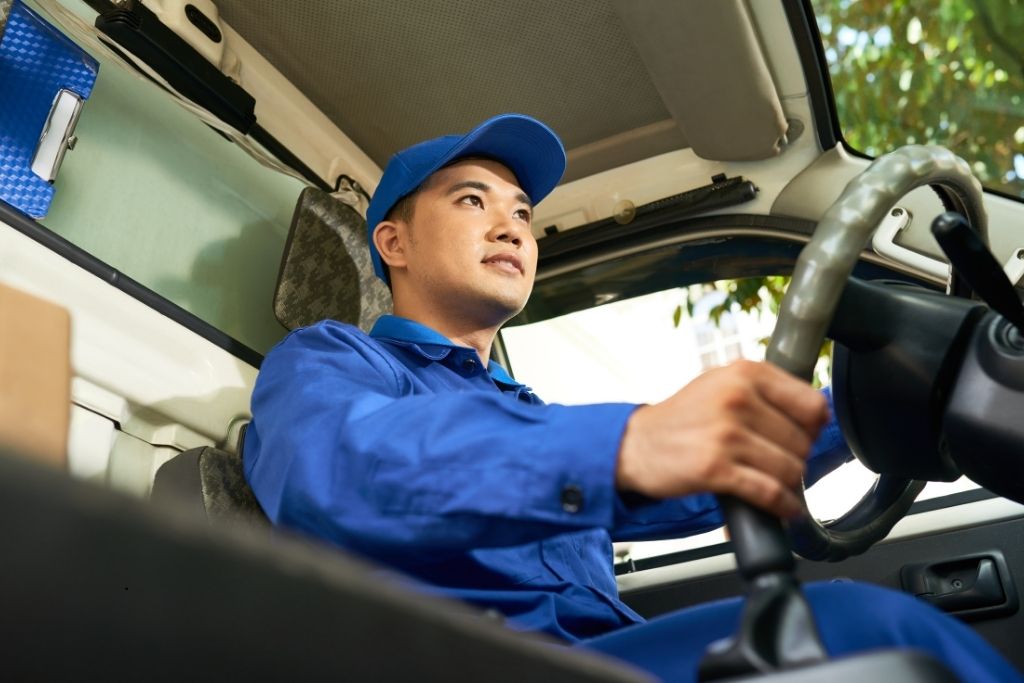
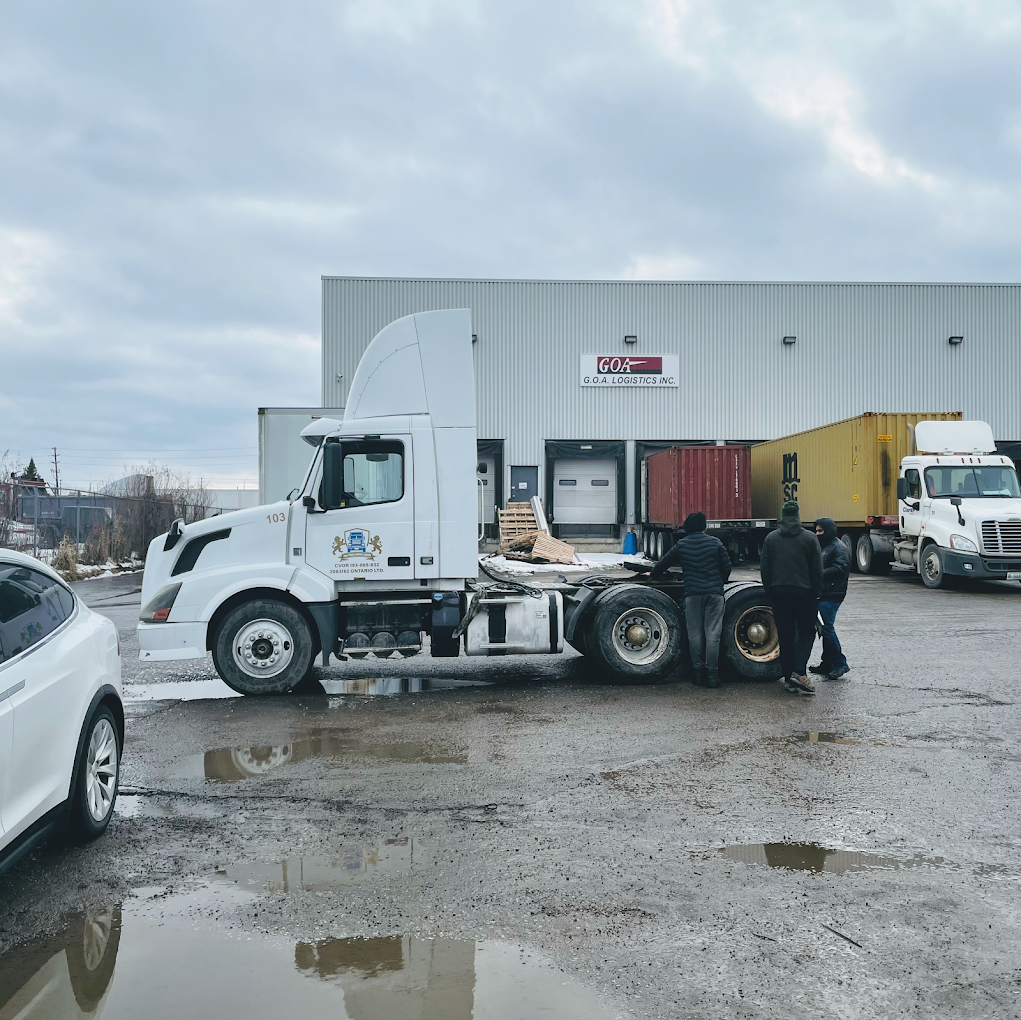
The future of truck driving jobs in Brampton looks steady for skilled and properly trained drivers. It looks less forgiving for anyone who takes shortcuts. Freight still has to move through one of the busiest corridors in the country. What is changing is who gets hired and how drivers are trained.
Key Takeaways
- Demand for qualified drivers is still real but hiring is more selective than it was during the post-pandemic rush.
- Driverless trucks are growing in Ontario but mainly on fixed middle-mile routes.
- Ontario is tightening entry-level training after a 2026 audit found serious gaps at some schools.
- Training quality now matters as much as holding a licence.
- Local, regional and long haul work suit different lives so choose based on your situation.
Is Truck Driver Demand Still Strong in Canada?
Yes but not at the post-pandemic peak. National data shows 13,310 truck driver vacancies in the first quarter of 2026. Almost 30 percent of those postings stayed open for 90 days or longer. That suggests employers still struggle to find drivers with the right skills and clean records.
The market has also softened. Driver employment in March 2026 was about 7 percent lower than a year earlier. Employers can afford to be choosier.
Age is the longer-term factor. Government job data shows roughly 48 percent of drivers are 50 or older. As they retire openings will appear even if freight volumes stay flat. This is the main reason the trucking industry outlook stays positive over the long term even when yearly numbers move up and down.
Brampton sits close to Highways 401 and 410 with a large cluster of warehouses and distribution centres across Peel Region. Local pickup and delivery work and regional runs into Ontario and Quebec are realistic starting points for new drivers.
Will Driverless Trucks Replace Drivers in Ontario?
Not any time soon in most roles. Ontario launched a ten year pilot for automated commercial vehicles in August 2025 that runs until 2035. One stream allows trucks with no driver in the seat as long as an assistant monitors the vehicle. A major grocery retailer is rolling out about 50 autonomous medium-duty trucks across the Greater Toronto Area by the end of 2026.
These trucks work fixed routes between set locations. That is the easiest kind of driving to automate.
In my view automation will change the job before it removes it. Winter conditions and tight city docks are hard for software. So are border crossings, roadside inspections, load securement and dealing with customers. The truck driver future belongs to people who can handle that complexity.
Ontario Training Rules Are Tightening
Anyone seeking a Class A licence in Ontario must complete mandatory entry-level training before the road test. The minimum is 103.5 hours made up of 36.5 hours in class, 17 hours in the yard and 50 hours of behind-the-wheel training. Schools set their own fees.
A 2026 provincial audit found that some private career colleges delivered far fewer hours than required. Some records were also altered. In September 2026 the province announced a standardized curriculum that is expected to become mandatory in 2027. Topics under consideration include fatigue management and rural and remote driving. Human trafficking awareness and mandatory air brake training are also being considered.
Current rules still apply until the new curriculum takes effect. I expect employers to look more closely at where a driver trained. That is an opinion rather than an official rule.
Skills Employers Will Expect More Often
- Comfort with electronic logging and telematics
- Experience with camera and collision warning systems
- Clear English communication since Ontario road tests are conducted in English or French
- Strong trip planning and fatigue management
- A clean driving record and professional habits
Cross-border carriers pay close attention to language ability because the United States has been putting drivers out of service for failing English proficiency checks.
Trucking Industry Trends at a Glance
| Trend | What is happening | What it means for you |
|---|---|---|
| Driver demand | 13,310 vacancies in early 2026 | Opportunities exist but employers are selective |
| Workforce age | About 48 percent aged 50 or older | Retirements will create openings over time |
| Automation | Ontario pilot runs 2025 to 2035 | Fixed routes change first and complex work stays human |
| Training | 103.5 hours minimum with a new curriculum expected in 2027 | Check what your school will deliver |
| Language | Tougher enforcement on cross-border routes | Strong English helps your options |
Choosing a Trucking Path and a Training School That Fit You
Start with the lifestyle you can sustain.
- Local pickup and delivery: You are home most nights. The work is physical and involves heavy city traffic across Brampton and the GTA. It is a sensible first step for many new drivers.
- Regional driving: You are away some nights and home weekly. It builds experience faster while keeping family time manageable.
- Long haul and cross-border: You are away longer. It demands strong trip planning and compliance knowledge. It also depends more on border and trade rules that can change.
- Straight truck work under Class D: This suits people who want heavy truck work without a tractor-trailer. It is a different job and not a shortcut to Class A.
If you have young children or caregiving duties start local. If you can be away and want rapid experience consider regional work after you settle in. Cross-border and long haul suit drivers who already know they enjoy life on the road.
Before paying any school check the following.
- Confirm the school is a registered private career college or a public college.
- Ask for the hours breakdown in writing.
- Ask how many behind-the-wheel hours are one-on-one and how many students share a truck.
- Ask which truck and trailer you will practise on.
- Ask how air brake training is handled.
- Be cautious about the lowest price or a promise of the fastest completion.
No school can honestly guarantee a test pass or a job. Compare two or three schools and visit in person before you enrol. Your training is the foundation of your safety and your career.
If you are comparing options in Peel Region you are welcome to ask Peel Truck Driving School the same questions listed above. Ask for the hours breakdown, the one-on-one behind-the-wheel time, the training vehicles and the air brake plan. A school will answer each one clearly and in writing.
FAQs
What does the future of truck driving jobs look like for new drivers in Ontario?
Demand is steady but employers are choosier. Drivers with solid training and a clean record have the best prospects.
Will self-driving trucks take over the future of truck drivers?
Not entirely. Automation is growing on fixed routes but human drivers remain essential for complex and unpredictable work.
How many training hours do I need for a Class A licence in Ontario?
The current minimum is 103.5 hours of mandatory entry-level training before the road test.
Will the new curriculum affect me if I enrol now?
The new curriculum is expected in 2027. Ask your school and the Ministry of Transportation what applies to your start date.
Does a Class A licence guarantee a job?
No. A licence makes you eligible to be hired. Employers still look at your skills and driving record.