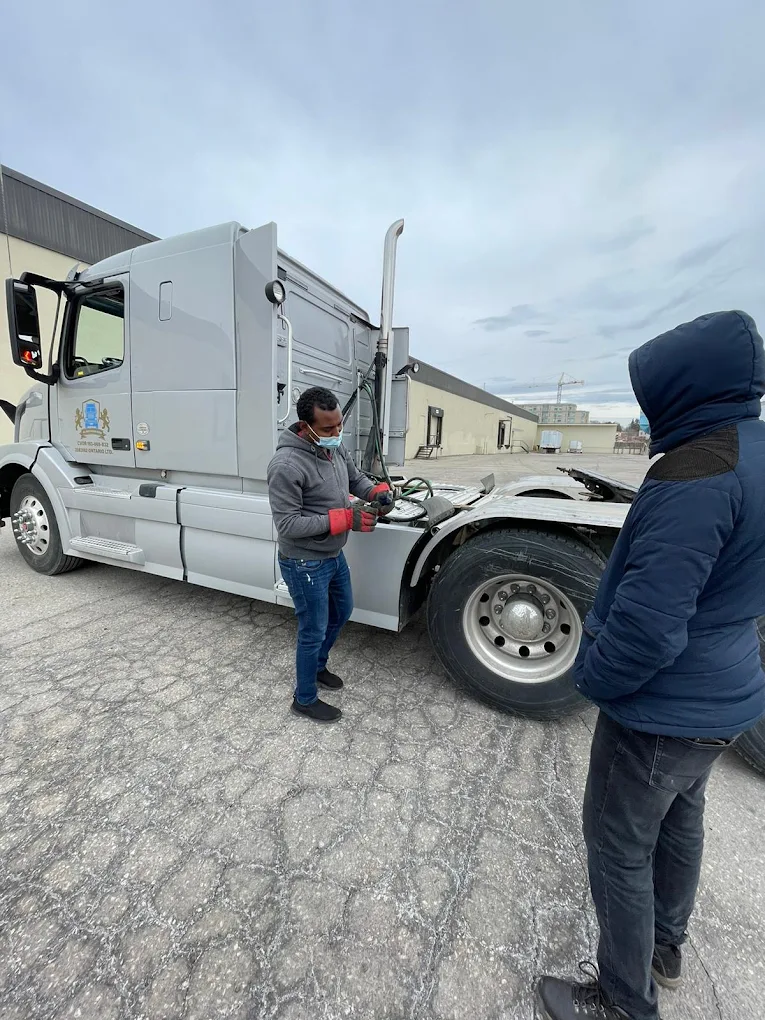
Preparing for the DZ Road Test Ontario can feel different from preparing for a regular passenger-vehicle test. You are being evaluated on commercial vehicle safety, inspection knowledge, observation, vehicle control, positioning, and decision-making.
For applicants in Brampton, knowing the test structure before test day makes preparation much more focused. Instead of practising randomly, you can work on the exact areas that commercial drivers are expected to perform consistently.
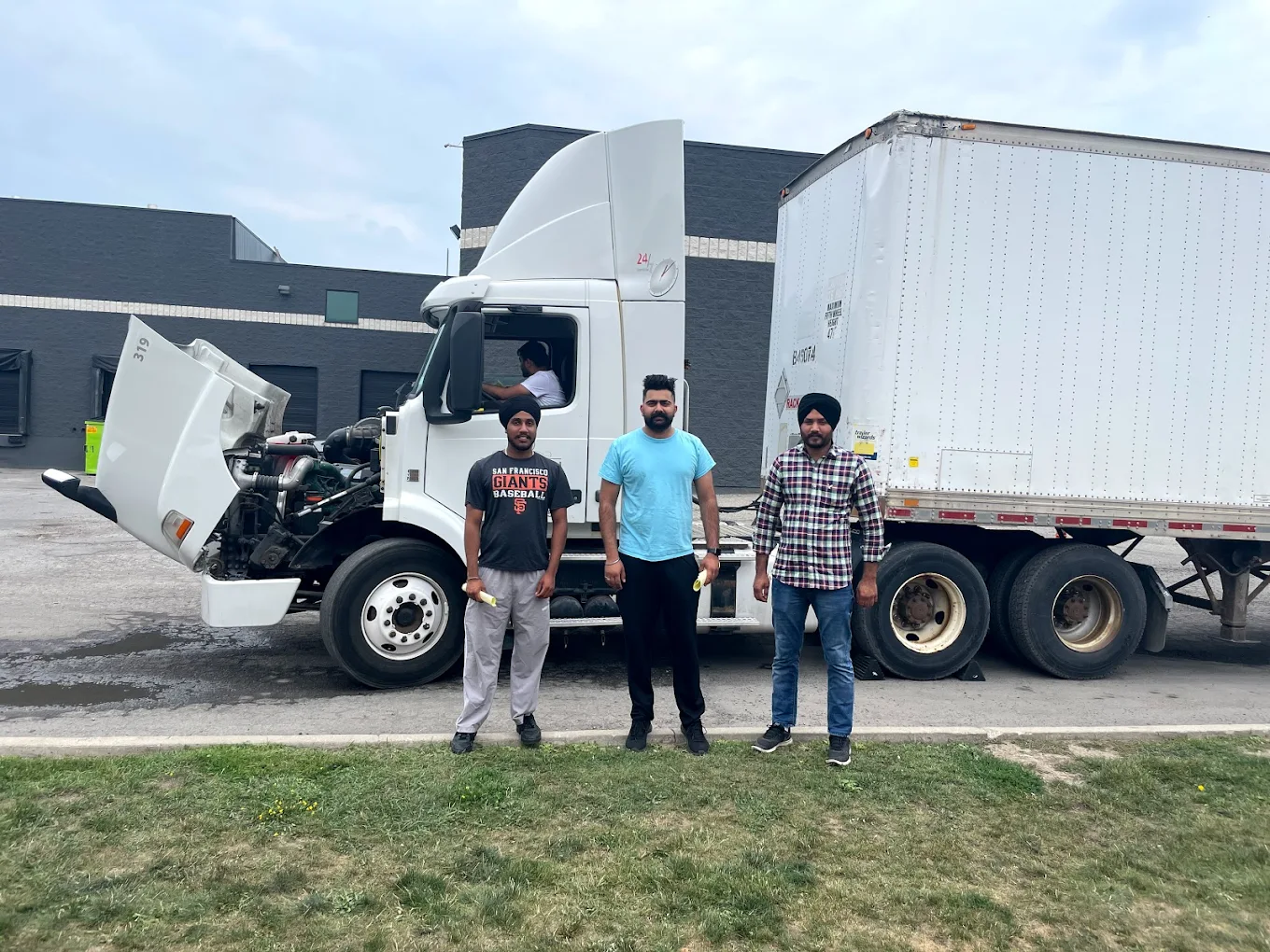
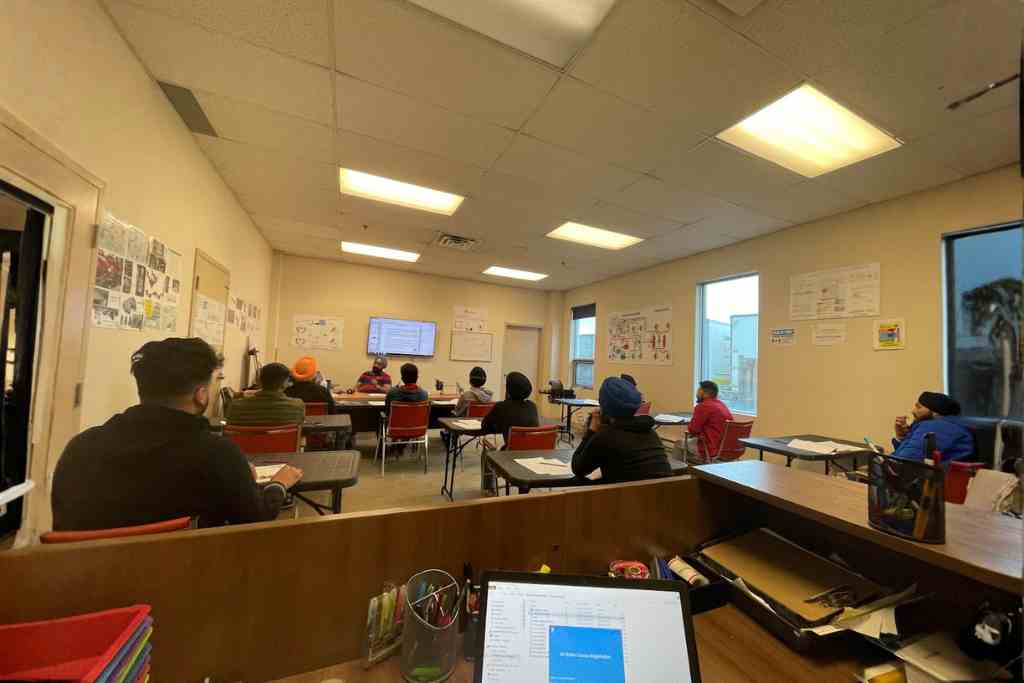
Peel Truck Driving School helps students connect classroom knowledge with practical DZ license training, including inspection routines and commercial vehicle handling.
The goal is not to drive perfectly. It is to demonstrate that you can inspect and operate the vehicle safely, consistently, and responsibly.
Key Takeaways
- The DZ road test includes more than normal on-road driving.
- A daily vehicle inspection forms an important part of commercial testing.
- Observation, lane positioning, turning, braking, and backing need consistent practice.
- Your test vehicle must meet Class D and DriveTest requirements.
- Full mock-test practice can reveal weaknesses before test day.
Tip: Practise the full test routine in one session before booking. Switching smoothly from inspection to road driving reveals weak areas that drills can miss.
Understanding the Ontario DZ Road Test Process
The DZ Road Test Ontario is designed to confirm that you can safely operate a Class D commercial vehicle under normal working conditions.
The test is not based on one skill alone. For most Class D commercial applicants, it includes a daily vehicle inspection, an on-road driving portion, and a backing manoeuvre.
During the road portion, you may encounter turns, intersections, lane changes, curves, roadside stops and starts, and other normal traffic situations. You are expected to follow traffic laws while demonstrating safe observation and vehicle control.
DriveTest also requires applicants to complete one backing manoeuvre. Depending on the test setup, this may involve a 90-degree alley dock, offset left, or offset right.
For a first-time applicant, the test can feel demanding because several skills must work together. Structured practice makes those expectations much easier to manage.
DZ Road Test Requirements Before Booking
Before booking, make sure your licence status, vehicle, documentation, and air-brake requirements are in order.
A Class D road-test vehicle must be a truck with a gross or registered gross weight above 11,000 kg, or a qualifying truck-and-trailer combination above that weight where the towed vehicle does not exceed 4,600 kg.
Licence and Document Readiness
Confirm that you have completed the required knowledge, vision, and medical steps for the Class D licensing process.
On test day, you will also need the appropriate vehicle records, including a valid daily inspection report and the inspection schedule for the vehicle.
Test Vehicle Requirements
Your truck must be in good working order and have the required valid inspection sticker. DriveTest performs a basic check before the test begins.
Problems such as defective lights, unsafe tires, missing mirrors, brake issues, or other safety defects can prevent the test from proceeding.
Air-Brake Qualification Considerations
If the test vehicle uses air brakes, the appropriate Z endorsement requirements apply. A practical air-brake test can also be completed on the same day when properly booked.
Pre-Trip Inspection and Commercial Vehicle Checks
The daily inspection is a major part of the DZ Road Test Ontario.
During this component, DriveTest requires you to inspect six randomly selected items from the applicable inspection schedule. You need to demonstrate and describe how each item is checked, identify possible defects, and explain what you would do if a defect were found.
There is also an in-cab inspection portion where you must identify and explain how the required items are checked.
Building a Consistent Inspection Sequence
Use the same inspection order every time you practise. A predictable routine reduces the chance of forgetting an important step when you are under test pressure.
Connecting Inspection Knowledge to Safety
Avoid memorizing names without understanding their purpose. Know what you are checking, what a defect might look like, and why that defect could affect safe operation.
DriveTest currently allows an applicant to make an error on one item in the daily inspection portion. That small margin makes consistent practice especially important.
DZ Road Test Skills for On-Road Driving
Driving a commercial truck requires more planning than driving a passenger vehicle.
Your observation should happen early enough to give you time to react. Mirror checks need to become part of your normal routine rather than something you perform only because an examiner is watching.
Turning is another important area. Commercial vehicles require careful setup, appropriate speed, enough space, and consistent awareness of surrounding traffic.
Lane positioning should keep the vehicle safely centred without cutting corners or allowing the truck to drift.
Controlled braking is equally important. Sudden or poorly planned stops can indicate that you are not looking far enough ahead.
During the road portion, focus on:
- Regular mirror and traffic checks
- Clear signalling
- Safe lane positioning
- Controlled turns
- Appropriate following distance
- Smooth braking
- Speed management
- Awareness at intersections
- Practical Training Sessions
The examiner is looking for consistent safe behaviour throughout the drive, not one perfect turn or stop.
Common Road-Test Mistakes and How to Reduce Them
Many preventable errors happen because applicants rush or change their normal driving routine when they become nervous.
Common problems include weak mirror checks, late signalling, poor lane positioning, entering turns too quickly, inconsistent speed, and forgetting parts of the inspection routine.
Backing can also become difficult when applicants make large steering corrections instead of slowing down and making smaller adjustments.
DriveTest currently allows up to 30 errors across the on-road and backing skills test, but the backing manoeuvre must also be completed in less than 10 minutes. Serious unsafe actions or moving violations can still cause the test to end regardless of the error count.
The useful lesson is not to count how many errors you can make. Focus on removing repeated habits that affect safety.
DZ Road Test Preparation and Practice Plan
Strong preparation for the DZ Road Test Ontario should move from individual skills to complete test-style sessions.
Start by identifying the areas where you still need instructor correction. That may be backing, inspection wording, mirror use, turning, lane control, or braking.
Next, combine those skills into longer practice sessions. Perform the inspection, enter the vehicle properly, drive through normal traffic, and complete backing without stopping to restart your practice routine.
Finally, complete mock sessions with minimal instructor prompting.
A practical three-stage approach is:
- Correct weak individual skills.
- Combine inspection and driving into complete sessions.
- Complete mock tests without continuous reminders.
You are closer to test readiness when you can complete the major tasks safely and repeatedly rather than performing them correctly only once.
Brampton Test-Day Planning and Practical Readiness
Brampton currently offers Class D commercial road tests at the DriveTest Centre in Shoppers World Mall, 499 Main St. S., Unit 064.
DriveTest instructs commercial road-test applicants to arrive 30 minutes before the appointment to complete check-in.
Before leaving, make sure:
- The vehicle is in safe working condition.
- Required inspection stickers are valid.
- You have the daily inspection report and schedule.
- You have your current licence and required documents.
- Required air-brake testing equipment is available if applicable.
- The road-test class you booked matches the vehicle you are bringing.
If your vehicle does not meet road-test standards, the appointment can be declared out-of-order. In that situation, DriveTest states that you may lose 50% of the prepaid road-test fee.
The current commercial road-test fee is $99, so checking the vehicle carefully before leaving is worth the effort.
What Happens If You Do Not Pass the DZ Road Test?
An unsuccessful attempt does not mean you are incapable of becoming a commercial driver.
After the test, the examiner provides a brief verbal summary of your performance. Test results may also be available for review, helping you identify the exact areas that need improvement.
If backing caused difficulty, practise backing specifically. If observation or lane positioning created repeated errors, focus on those habits instead of simply completing more general driving hours.
Before retesting, complete another full mock DZ Road Test Ontario session and make sure the previous weak areas can now be performed consistently.
Treat the first attempt as specific performance feedback rather than starting your preparation again from zero.
Conclusion
The DZ Road Test Ontario checks whether you can combine commercial vehicle inspection, observation, vehicle control, backing, turning, braking, and safe decision-making under real testing conditions.
The strongest preparation comes from practising these skills as one complete routine rather than treating every exercise separately.
For Brampton applicants, test-day preparation should also include checking the vehicle, documents, appointment details, and required equipment before leaving.
Consistent DZ license training can help turn individual skills into repeatable habits, which is ultimately what a commercial road test is designed to assess.
FAQs
Can I Use A Driving School Truck For My DZ Road Test?
Yes. DriveTest allows road-test vehicles to be owned, borrowed, or rented, provided they meet the required standards and are insured. If you use a training school vehicle, the school normally handles the road-test booking.
Do I Need To Bring A Daily Inspection Schedule To The Test?
Yes. Commercial road-test applicants are required to have a valid daily inspection report and the appropriate inspection schedule available for the vehicle being tested.
Can I Refer To The Inspection Schedule During The Test?
DriveTest states that applicants are encouraged to refer to the applicable schedule as needed during the daily vehicle inspection portion. You still need to demonstrate and explain the selected inspection items correctly.
What Happens If My Truck Has A Defect Before The Test?
A vehicle that does not meet safety or road-test requirements may be declared out-of-order, which prevents the test from proceeding. Check lights, tires, brakes, mirrors, inspection documentation, and general vehicle condition beforehand.
Can The Examiner Stop My Road Test Early?
Yes. DriveTest can terminate a test if it becomes clear that the applicant does not have the skills needed to operate the vehicle safely, or if serious unsafe behaviour occurs.
When Do I Receive My Class D Licence After Passing?
After passing all required test components, you return inside the DriveTest Centre to apply the results. A temporary licence is issued while the permanent photo card is processed.