Starting a commercial driving program is a major decision. Before enrolling, most students have truck driver training questions about eligibility, documents, schedules, course difficulty, practical lessons, and what happens after training.
These concerns are normal. Commercial driving involves more than learning to control a large vehicle. Students must also understand inspections, safety responsibilities, road awareness, documentation, and professional expectations.
In Brampton, students may eventually train around busy roads, industrial areas, warehouses, and active freight routes. Peel Truck Driving School introduces these skills through structured learning designed to help beginners build confidence gradually.
The best approach is to collect clear answers before enrolling so you understand both the training process and your responsibilities as a student.
Key Takeaways
- Complete beginners can enter commercial driver training.
- Eligibility and document requirements should be confirmed before enrollment.
- Training normally combines classroom, yard, and on-road instruction.
- Course schedules and learning formats can vary between schools.
- Students should compare practical training and instructor support, not price alone.
Tip: Confirm the licence path, schedule, documents, and practical hours before enrolling. Clear answers now can prevent delays and confusion later.
What to Know Before Truck Driver Training
One of the most common truck driver training questions is whether previous experience with large vehicles is required.
Entry-level training is designed for beginners. Students normally begin with commercial vehicle terminology, safety principles, inspections, and basic vehicle familiarization before moving into more difficult exercises.
However, students should understand that truck driving requires responsibility and steady participation. Progress depends on attending classes, following instructions, practising skills, and accepting feedback.
It is also helpful to consider whether the profession fits your lifestyle. Local, regional, and long-haul positions can involve different schedules and amounts of time away from home.
Learning about these differences before training can help you choose a licence path and program that match your goals.
Eligibility and Commercial Driver Training Questions
Eligibility depends on the licence class you plan to obtain.
Students pursuing a commercial licence may need to meet age, licence, medical, vision, knowledge-testing, and documentation requirements. The exact sequence can vary, so it is important to confirm which steps must be completed before training begins.
Licence and Medical Requirements
Commercial licence applicants generally need an eligible Ontario licence and must satisfy the medical and vision standards connected to their desired licence class.
Age, Identification, and Driving History
Students may be asked to provide identification, current licence information, and documents confirming their eligibility. A school may also review whether the student is ready to enter the selected program.
Confirming Eligibility Before Registration
Contact the school before paying or choosing a start date. Explain which licence you currently hold and which commercial class you want to pursue.
This prevents situations where a student registers before completing an important prerequisite.
Enrollment Documents and Admission Process in Brampton
The admission process usually follows a clear order: inquiry, eligibility review, document submission, program selection, and schedule confirmation.
Students may be asked to provide:
- Government-issued identification
- Current driver’s licence information
- Medical documentation where required
- Completed enrollment forms
- Program-specific records requested by the school
Do not rely only on a general checklist found online. Requirements can differ depending on whether you are pursuing AZ, DZ, or another commercial licence path.
Missing paperwork can delay registration or prevent you from completing a licensing step on time. Request a confirmed checklist and organize everything before your first class.
For Brampton students, it is also practical to consider travel time, parking, class schedules, and transportation to the training location before choosing a program.
Training Structure and Truck Training Course Expectations
Another major group of truck driver training questions concerns how the course is divided.
Ontario’s mandatory entry-level Class A training includes a minimum of 103.5 hours of instruction for applicable applicants. This is important because it shows that the learning process is broader than a few practice drives.
Classroom Learning
Classroom instruction may introduce safety responsibilities, commercial driving terminology, regulations, vehicle systems, documentation, and inspection concepts.
Yard and Practical Skill Development
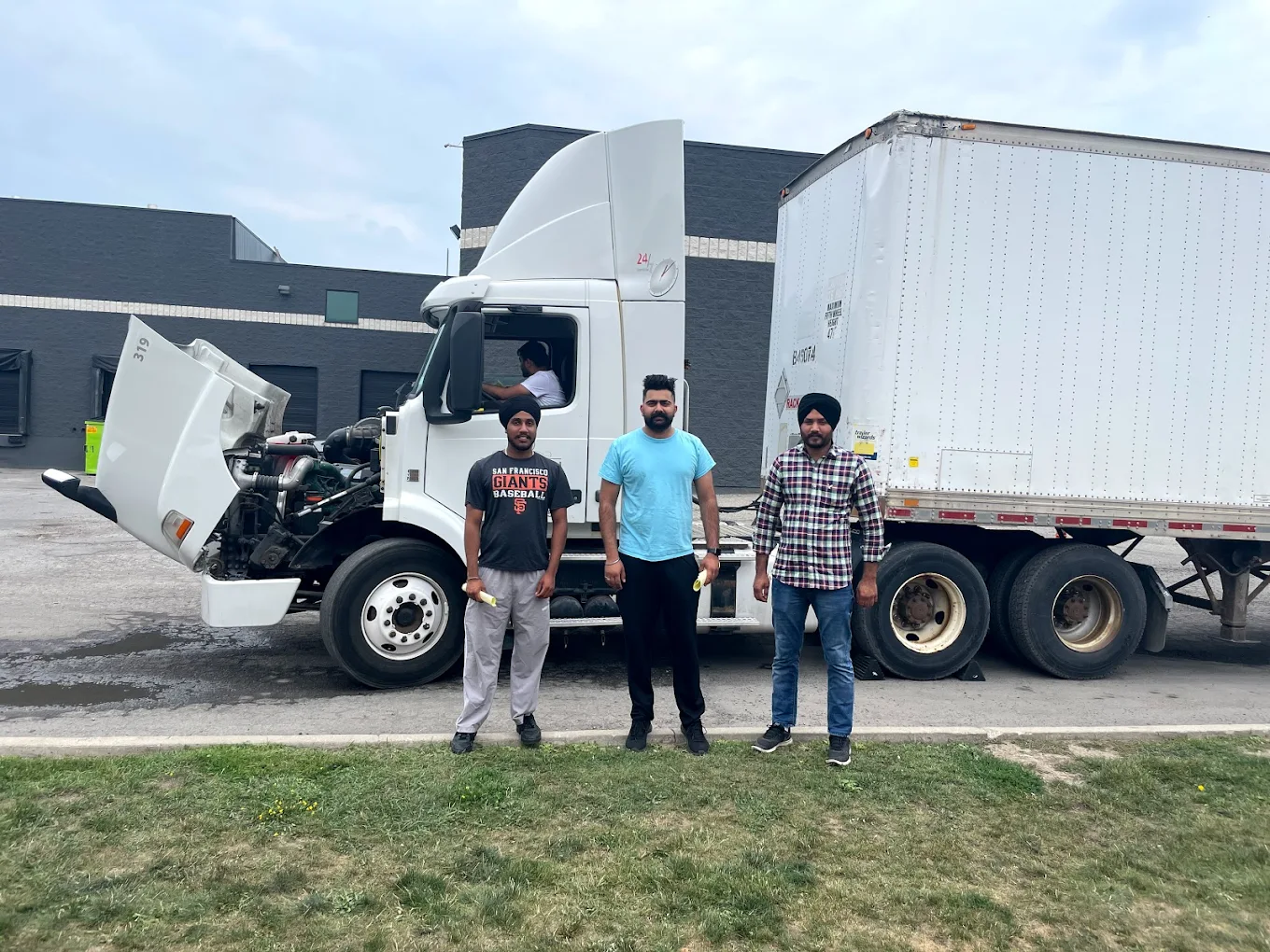
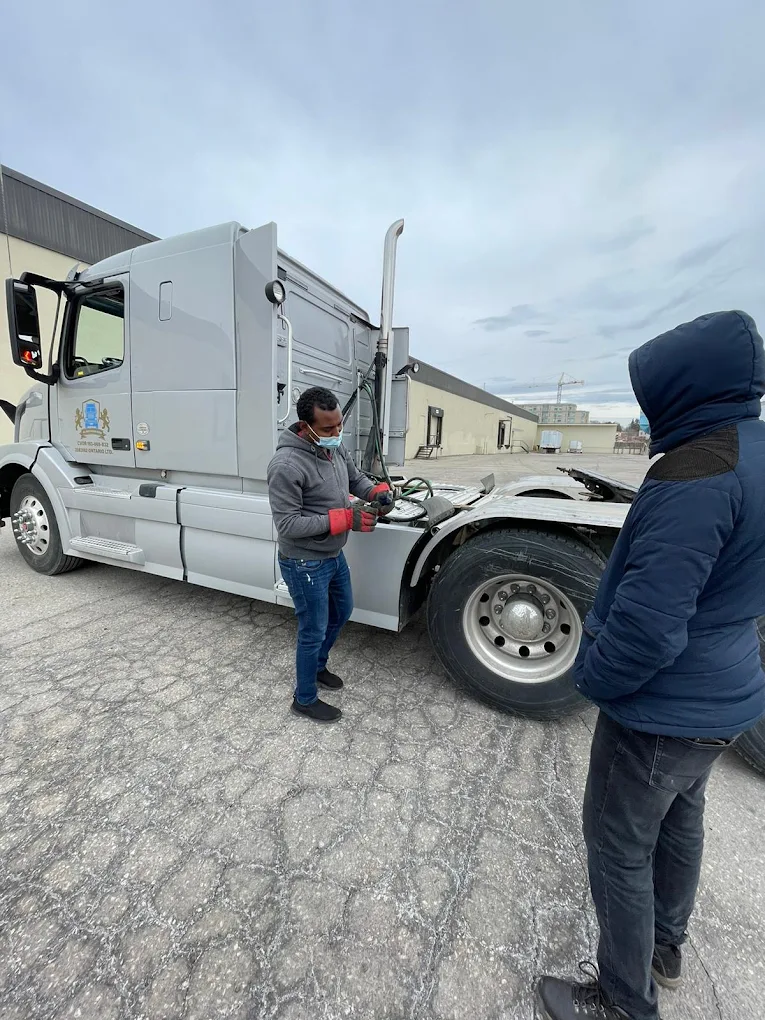
Controlled yard sessions help students practise vehicle positioning, turns, backing, inspections, coupling procedures where relevant, and basic control.
Supervised On-Road Training
Road sessions allow students to apply their knowledge in traffic. They may practise observation, lane positioning, turns, intersections, space management, and decision-making.
Each stage serves a separate purpose. Classroom learning explains why a procedure matters, while practical instruction helps students perform it safely.
Students are generally expected to attend consistently, arrive prepared, follow safety instructions, and show gradual improvement.
Instructor Support for First-Time Truck Driving Students
Beginners are not expected to perform complex manoeuvres without guidance.
Instructors normally introduce a task, explain its purpose, demonstrate the correct process, observe student practice, and provide corrections. Support becomes less intensive as the student gains control and confidence.
Common early difficulties may include:
- Remembering inspection sequences
- Using mirrors effectively
- Positioning the vehicle correctly
- Coordinating controls
- Understanding unfamiliar terminology
- Managing turns and backing exercises
These mistakes are part of learning. What matters is whether the student listens to feedback and applies it during future practice.
First-time students are expected to take safety seriously and remain willing to learn. They are not expected to arrive with professional-level driving ability.
Course Length, Scheduling, and Training Difficulty
Program length depends on the licence class, course format, school schedule, and required instructional components.
Some students prefer full-time training because it allows them to complete the program in a concentrated period. Others may need part-time or flexible options because of work and family responsibilities.
Neither format is automatically better. Full-time training may provide more continuity, while part-time training may be easier to manage alongside other commitments.
Truck driver training can be demanding because students must develop both knowledge and practical ability. Inspections, backing, vehicle control, and road awareness often require repeated practice.
Difficulty during the early stages does not mean a student cannot succeed. Consistent attendance and practice usually matter more than learning every skill immediately.
Preparing for Starting Commercial Driver Training
Preparation before your first class is simple but important.
Confirm the training location, arrival time, class date, and documents you need. Plan your route so you are not rushing, and wear suitable clothing with closed-toe footwear if practical training may occur.
Bring writing materials and make a list of questions you want the instructor or admissions team to answer.
Students do not need to study every commercial driving regulation before class. However, reviewing the Official MTO Truck Handbook can make basic terminology and licence concepts more familiar.
Avoid arriving with the expectation that training will feel easy immediately. Commercial driving skills develop through explanation, demonstration, repetition, and correction.
Which Truck Driving School Questions Should You Ask Before Enrolling?
Before comparing schools, write down your most important truck driver training questions and ask each provider for clear answers.
Useful questions include:
- Which commercial licence path does the program support?
- How are classroom, yard, and road sessions divided?
- How much practical vehicle time is included?
- What must be completed before training starts?
- How is instructor feedback provided?
- What happens if a student needs more practice?
- What is included in the full program?
- Which attendance and rescheduling policies apply?
- How does the course prepare students for testing?
- Is the provider approved to deliver the required training?
Price matters, but it should not be the only comparison point. A lower fee may not represent better value if the course structure, practical access, scheduling, or support is unclear.
Students should compare transparency, training quality, instructor guidance, vehicle access, and whether the schedule fits their needs.
Conclusion
The most useful truck driver training questions cover eligibility, documents, course structure, instructor support, schedules, practical instruction, and school policies.
Complete beginners are not expected to understand every vehicle system or driving procedure before enrolling. They are expected to meet the program requirements, attend consistently, follow safety instructions, and make steady progress.
Before choosing a Brampton training provider, collect clear answers and compare the complete learning experience. Good preparation helps you begin commercial driver training with realistic expectations and greater confidence.
FAQs
Can I Visit A Truck Driving School Before Enrolling?
Many schools may allow prospective students to speak with staff or view parts of the facility by appointment. A visit can help you understand the learning environment, location, and program structure before committing.
Will I Need My Own Truck For Training Or Testing?
Training schools normally provide or arrange suitable vehicles for instructional activities, but policies can vary. Ask whether vehicle use for practice and testing is included in the program.
Can I Change My Training Schedule After The Course Begins?
Schedule changes depend on school availability, attendance rules, and rescheduling policies. Confirm these conditions before enrolling, especially when balancing work or family responsibilities.
What Happens If I Miss A Classroom Or Practical Session?
Missing a required session may affect progress or completion. Schools may have make-up procedures, additional fees, or attendance limits, so students should review the policy in advance.
Are Truck Driving Classes Taught In Groups Or Individually?
Classroom lessons may involve groups, while practical instruction can include individual or shared learning arrangements. Ask how vehicle time and instructor attention are organized.
How Can I Tell Whether A Training Provider Is Approved?
Students should verify the provider’s current status through official Ontario resources and ask the school which approved program it delivers. Confirmation is important before paying tuition