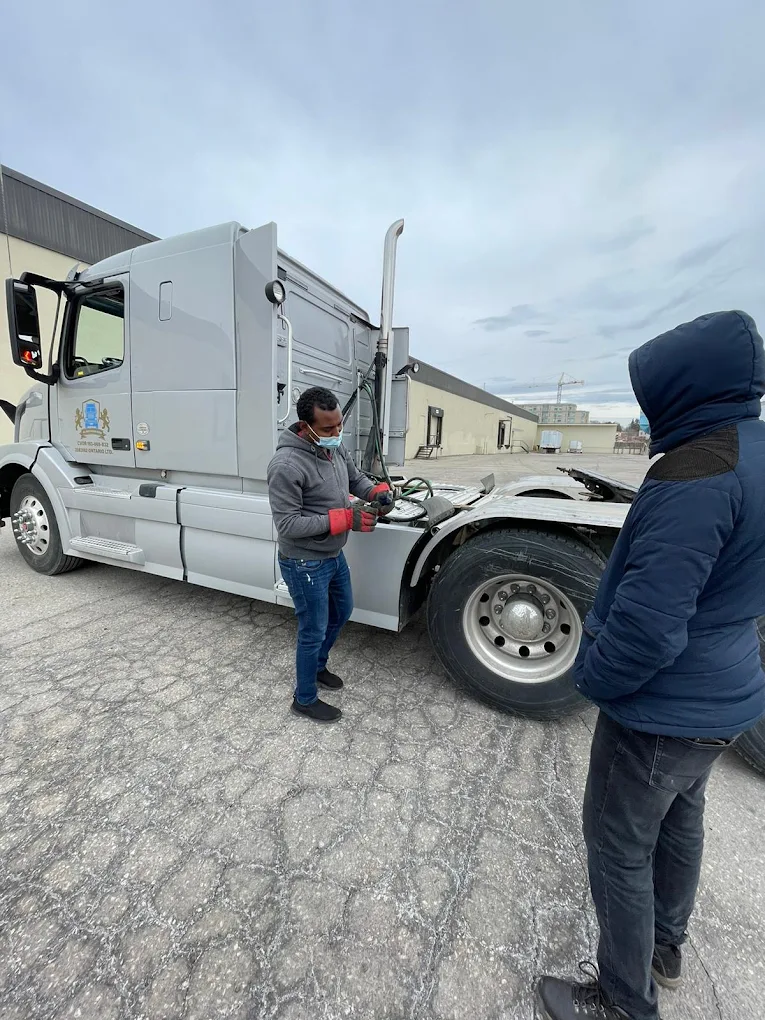
Starting truck driver training can feel unclear at first. Many students are not sure what actually happens during truck driving practical training sessions, or how each step is organized.
In Brampton, where training routes include both busy city roads and controlled practice areas, driving schools follow a structured system to help students build skills gradually. Programs at places like Peel Truck Driving School are designed to guide beginners from basic control to real on-road confidence.
Key Takeaways
- Practical training follows a step-by-step structure.
- Students start with basic control before road driving.
- Yard and on-road training are both essential.
- Instructor guidance is continuous during sessions.
- Skill progression is gradual and tracked over time.
Tip: Focus on understanding each step instead of rushing. Strong basics in yard training make on-road driving easier and help build real confidence faster.
Understanding Truck Driving Practical Training Sessions
Practical training is designed to move step by step. Students are not expected to perform everything at once.
Most programs begin with basic vehicle familiarization. This includes learning controls, mirrors, and simple movement. From there, students gradually move into more complex commercial vehicle training steps.
In Ontario, training is structured so that beginners can build confidence slowly. Instead of jumping into traffic, students first practice in safe environments. This approach helps reduce mistakes and builds a strong foundation.
This structured system is part of the overall truck driving training structure in Brampton, where real road exposure is added only after basic skills are developed.
The Behind the Wheel Training Process and Session Flow
Every training session follows a clear pattern. The behind the wheel training process is not random. It is designed to help students improve with each session.
How Each Session Typically Begins
Sessions usually start with a quick review. Instructors explain the goal of the day and go over previous mistakes.
Practice, Feedback, and Repetition Cycle
Students practice specific skills while instructors provide feedback. Repeating the same skill helps improve control and confidence.
Progression From Basic to Advanced Skills
Over time, the driver practice session flow moves from simple driving to more advanced tasks like turning, lane control, and traffic handling.
This consistent structure helps students understand what to expect and reduces confusion.
Yard Training Activities and Early Skill Development
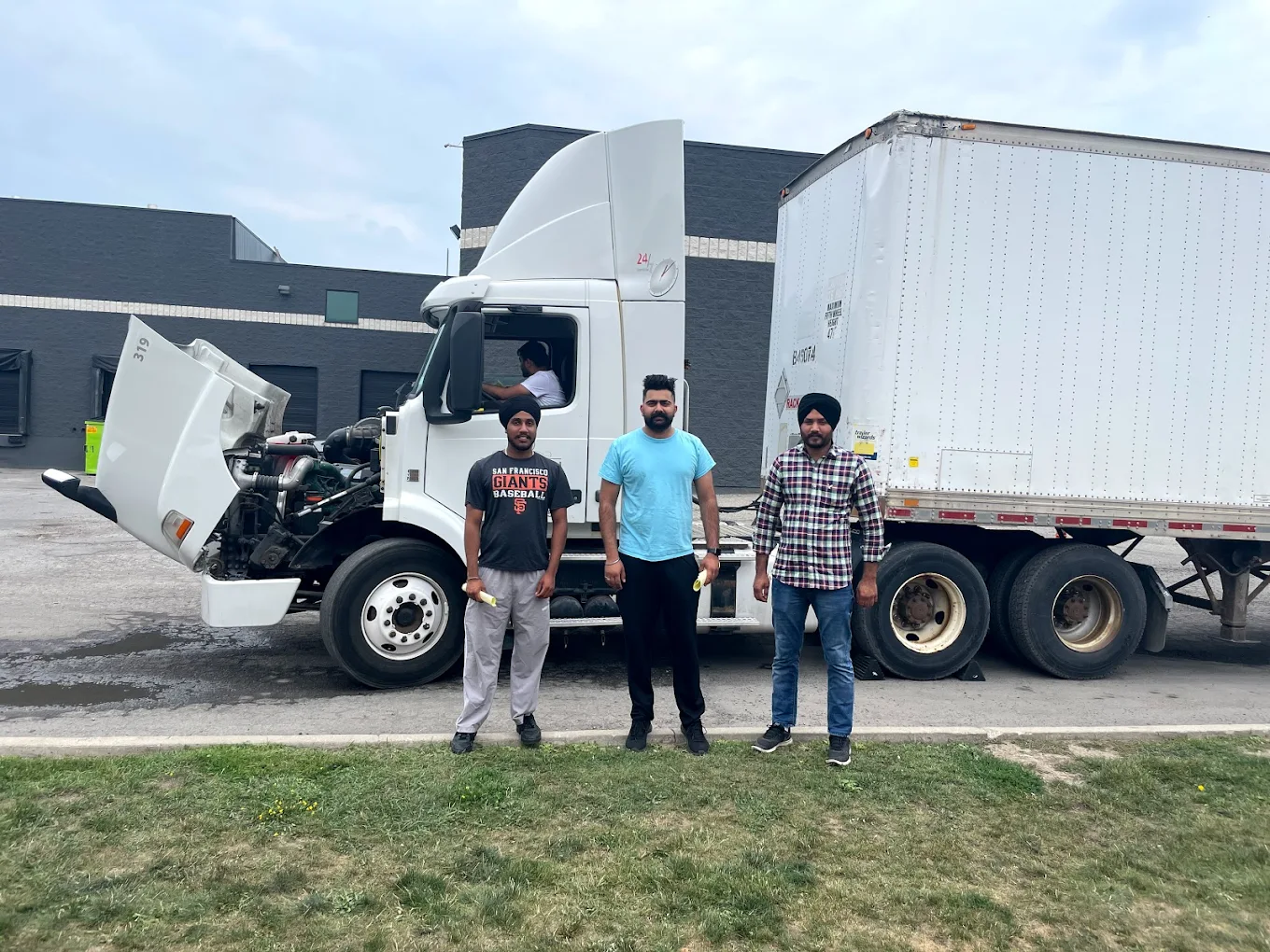
Before entering real traffic, students spend time in a controlled training yard. These yard training activities are essential for building basic skills.
Common activities include:
- Reversing and parking.
- Turning practice.
- Vehicle positioning.
- Pre-trip inspection basics.
These early exercises support skill progression in training, allowing students to understand how the vehicle responds before facing real road conditions.
This stage is important because it reduces risk and prepares students for more complex driving tasks later.
Moving from Yard to On-Road Learning Experience
After gaining confidence in the yard, students move to real driving environments. This transition is gradual and carefully planned.
Starting with Low-Traffic Areas
Students begin in quiet areas where traffic is minimal. This helps them focus on control without pressure.
Gradual Exposure to City Driving
As confidence grows, they move into busier roads. This is where real on-road learning experience begins.
Building Confidence in Real Conditions
With practice, students learn how to handle traffic, signals, and real driving challenges.
Many training programs follow this step-by-step approach because it helps students adjust safely to real-world driving.
Instructor Guided Driving Practice and Feedback System
Instructors play a key role in training. During instructor guided driving practice, students are not left alone.
Instructors:
- Give real-time corrections.
- Explain mistakes calmly.
- Help students improve step by step.
Mistakes are expected during hands-on driving instruction. Instead of being a problem, they are used as learning points.
This continuous feedback system helps students build confidence and avoid repeating errors.
How Skill Progression in Training Is Tracked
Students often wonder how their improvement is measured. Training programs use simple methods to track progress.
These include:
- Instructor feedback after each session.
- Skill checklists.
- Practice milestones.
This system supports clear skill progression in training and helps students understand where they need improvement.
Progress tracking is important because it ensures students are ready before moving to more advanced stages.
Safety Practices During Practical Training Sessions
Safety is always a priority during training. Every step follows structured commercial vehicle training steps focused on control and supervision.
Training includes:
- Controlled yard practice.
- Instructor supervision.
- Gradual exposure to real traffic.
This approach ensures that beginners can learn safely without unnecessary pressure.
Most training programs follow strict safety guidelines to protect both students and others on the road.
How Driving Schools Structure Practical Training in Brampton
Driving schools in Brampton follow structured programs designed for real road conditions. The driver practice session flow is built around local routes, traffic patterns, and licensing requirements.
Brampton is a busy logistics area, which means students get exposure to realistic driving situations. Training often includes both controlled practice and real city driving.
Structured programs help students prepare for the road test by building skills gradually instead of rushing the process.
Overall, truck driving practical training sessions in this region are designed to balance safety, practice, and real-world experience.
FAQs
How Many Practical Sessions Are Usually Included In Training?
The number of sessions depends on the program, but most schools provide enough practice time to cover all essential skills before the road test. The focus is on skill readiness, not just session count.
Can Students Request Extra Practice Sessions If Needed?
Yes, many schools allow additional sessions if a student feels they need more practice. This helps improve confidence and ensures better preparation before testing.
Are Practical Training Sessions Conducted One-On-One Or In Groups?
Most behind-the-wheel sessions are conducted individually with an instructor. This allows focused learning and personalized feedback during driving practice.
What Happens If A Student Struggles With A Specific Skill?
Instructors usually spend more time on that specific area. Training is flexible, and students can repeat exercises until they feel comfortable and confident.
Do Training Sessions Include Real Test Route Practice?
In many cases, students are trained on routes similar to test conditions. This helps them understand traffic patterns and reduces anxiety during the actual test.
Is Practical Training Enough To Start Working After Licensing?
Practical training builds the basic skills required for driving. However, real confidence continues to develop with experience after starting work.