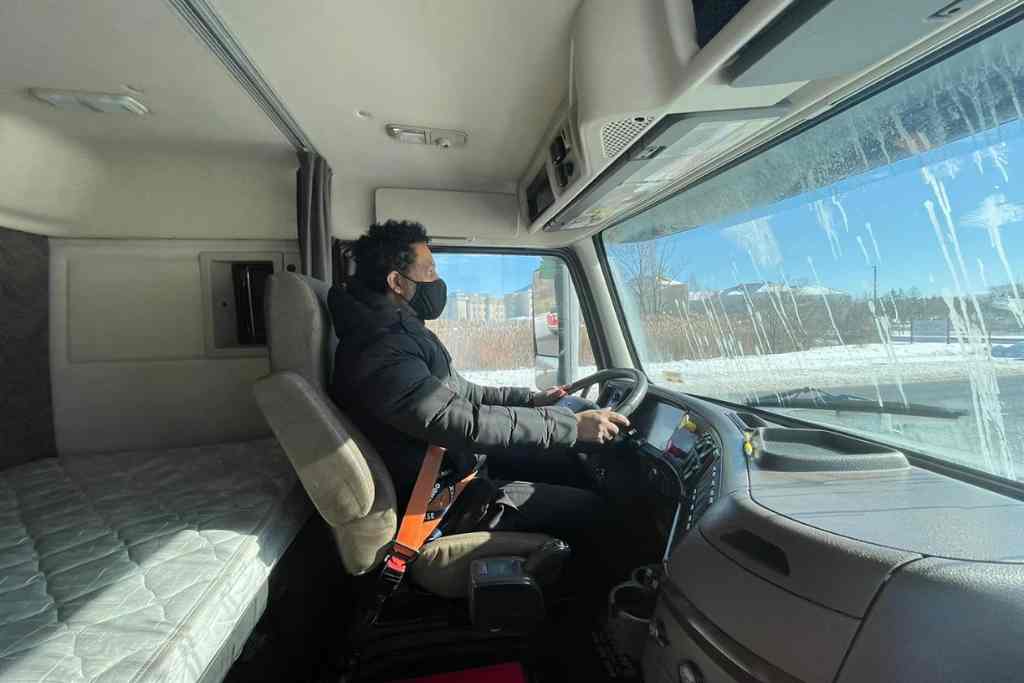
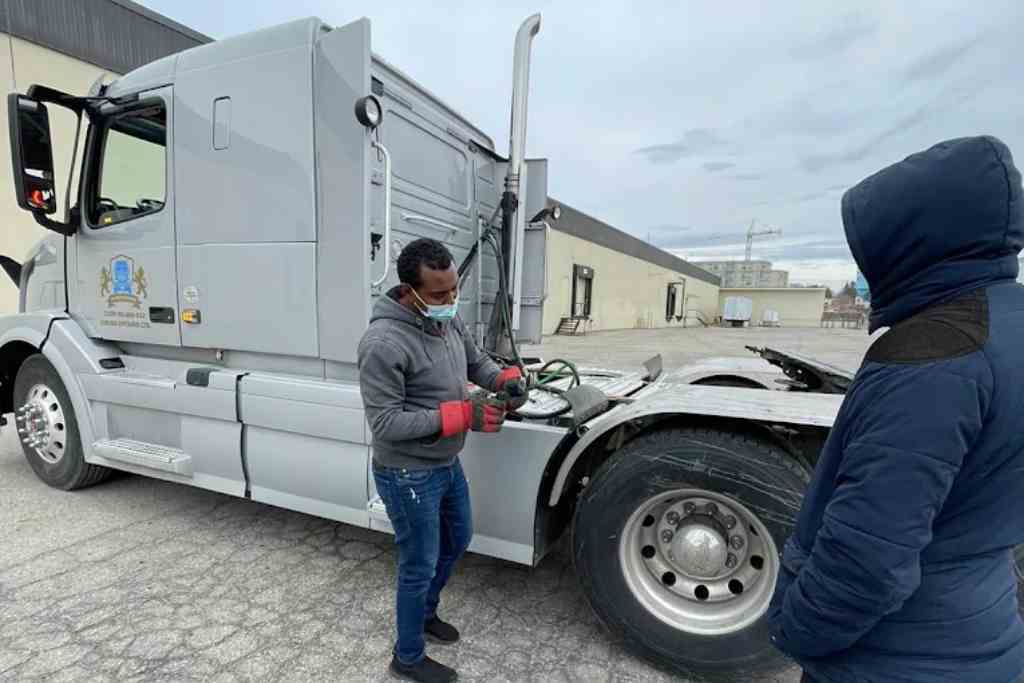
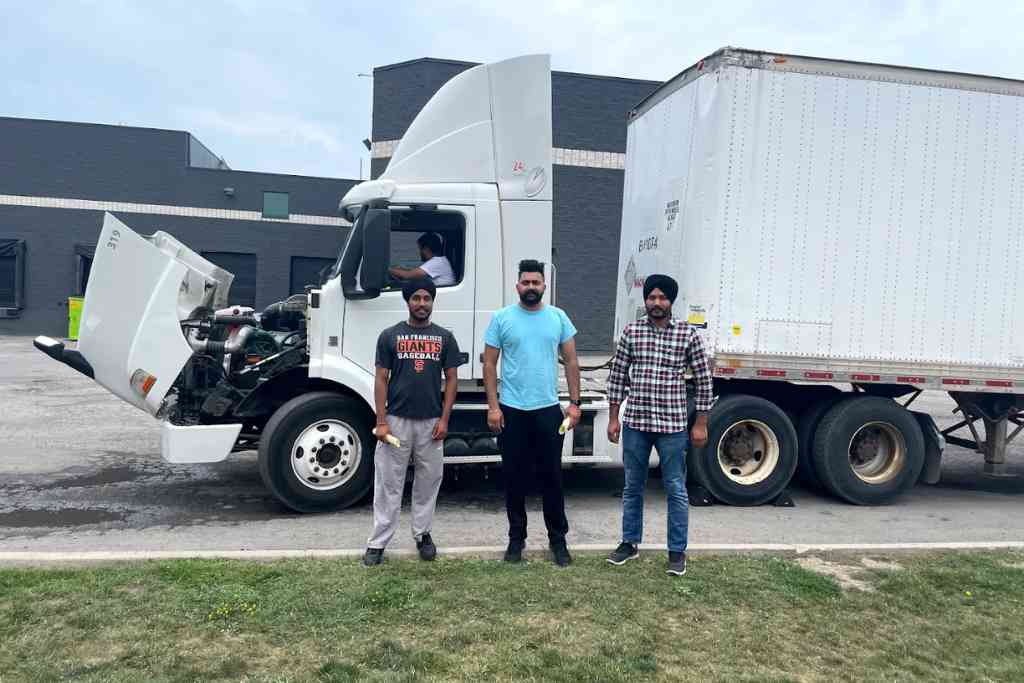
Starting professional driving brings a different level of responsibility than training. Many drivers quickly realize that safety becomes more personal once they are alone in the cab. Building strong safety habits for new truck drivers early helps reduce stress, prevent mistakes, and create confidence on the road.
This guide explains which habits matter most, why they work in real conditions, and how they naturally develop through routine rather than pressure or perfection.
Key Takeaways
- Safety becomes more critical once you start driving without supervision.
- Strong habits matter more than quick reactions or confidence alone.
- Most safety issues come from routine moments, not emergencies.
- Consistency and patience reduce early driving risks.
- Good safety habits develop through repetition, not pressure.
Practical Tip: For your first few weeks, give yourself extra time for every task. Rushing inspections, turns, or stops increases risk far more than driving slowly ever will.
Why Safety Habits Matter More Once You Start Driving Alone
Driving alone changes how decisions feel. Without an instructor or trainer, every choice belongs to the driver. This shift often makes safety feel heavier, even when skills are solid.
That pressure is normal. It comes from responsibility, not lack of ability. Solo driving requires awareness, patience, and consistency rather than fast reactions.
Safety Habits That Prevent Accidents Beyond Passing Tests
Passing a test proves basic competence, but accident prevention depends on repetition and awareness. The safety habits for new truck drivers that matter most are the ones repeated daily, not only during evaluation.
Industry safety reviews consistently show that most first-year incidents happen during routine moments, such as lane changes or stops, not emergencies. This is why habits like spacing, scanning, and patience matter more than memorized steps.
Common Safety Mistakes New Truck Drivers Make
Most early safety mistakes are not aggressive or reckless. They are procedural. Examples include rushing inspections, misjudging space in traffic, or reacting late to slowdowns.
Fleet safety observations in Ontario show that most early driver mistakes are linked to time pressure, not poor driving skill.
Defensive Driving Habits That Keep New Drivers Safe
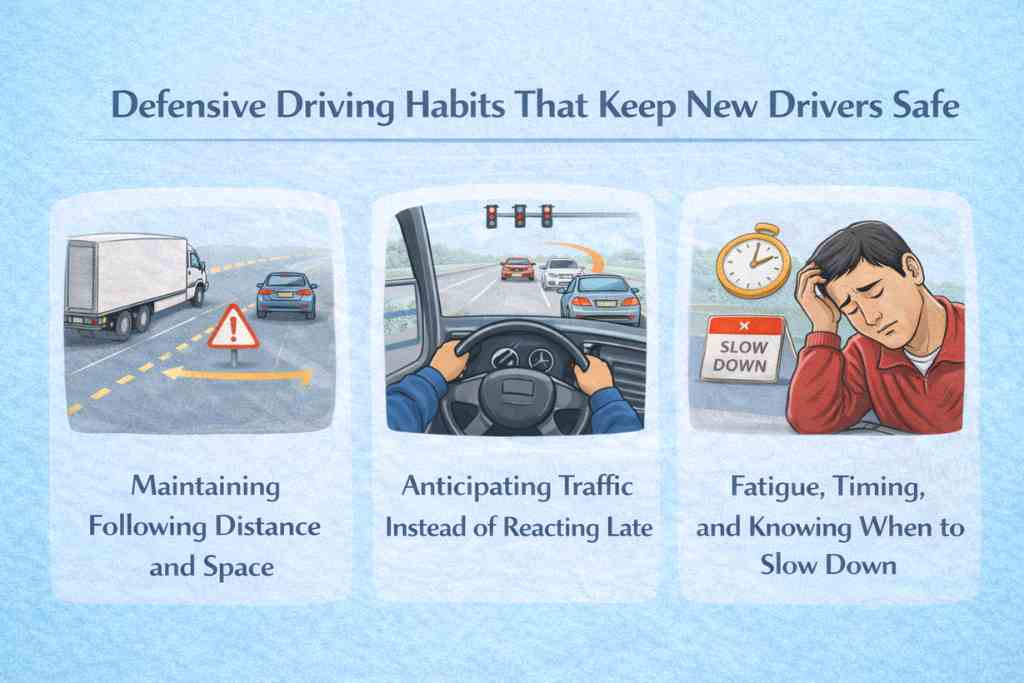
Managing Following Distance and Space
Maintaining space gives time to react and prevents sudden braking. Even when other vehicles move into gaps, keeping distance protects the driver from chain reactions.
Anticipating Traffic Instead of Reacting Late
Experienced drivers watch patterns, not just vehicles. Anticipation reduces hard braking and last-second steering.
Transportation safety studies show that increased following distance lowers collision risk by improving reaction time, especially at highway speeds.
Fatigue, Timing, and Knowing When to Slow Down
Fatigue affects judgment before drivers feel sleepy. Slowing down, taking breaks, and recognizing mental strain are safety decisions, not weaknesses.
Many safety incidents occur late in shifts or when drivers feel rushed. Slowing down early prevents bigger delays caused by mistakes or violations later.
Why Inspections and Trip Planning Protect New Drivers
Pre-Trip Inspections That Prevent Roadside Issues
Inspections catch problems before they become safety hazards. Consistency matters more than speed.
Trip Planning as a Safety Tool
Planning reduces rushed decisions, missed rest points, and surprise hazards. Many first-year violations relate to planning gaps, not unsafe driving.
Staying Safe in Weather, Roadside Stops, and Inspections
Weather changes require slower speeds, wider spacing, and patience. Adjusting behavior is expected, not penalized.
During roadside stops, following procedure keeps interactions calm and predictable. Preparation reduces stress and confusion.
When Safety Habits Become Automatic Over Time
Safety habits do not feel natural immediately. Most drivers notice improvement after repeating similar routes and routines.
As habits form, mental effort drops and confidence increases. This is when driving begins to feel steady instead of stressful.
Conclusion
The shift from training to professional driving is not about being perfect. It is about building consistency through calm decisions and repeatable routines. Over time, safety habits for new truck drivers become automatic, reducing stress and improving confidence on the road.
For those building a future in commercial truck driving, ongoing learning and real-world experience play an important role in reinforcing safe habits. Practical guidance, such as an AZ truck driving program, helps drivers strengthen decision-making and stay prepared for everyday challenges on the road.
Frequently Asked Questions
Should new truck drivers use safety checklists, or will habits develop naturally?
Checklists can help early on, especially during inspections or trip preparation. Over time, repeated actions naturally turn into habits without relying on lists.
Is it normal to feel mentally exhausted even on short routes as a new driver?
Yes. Mental fatigue is common early because decision-making requires more focus. As routines form, mental load reduces even if routes stay the same.
Do safety habits change when switching from local to highway driving?
The core habits stay the same, but emphasis shifts. Highway driving requires more focus on spacing and anticipation, while local driving demands sharper awareness of stops and traffic changes.
How can new drivers balance safety with company productivity expectations?
Safety-first decisions are expected in professional driving. Clear communication and consistent habits usually align better with long-term productivity than rushing.
Are safety habits different for AZ and DZ drivers?
The fundamentals are the same, but vehicle size, braking distance, and load handling create different risk levels. Habits adapt based on equipment, not licence class alone.
When should a new driver ask for guidance instead of handling a situation alone?
If a situation feels unclear or rushed, asking early is safer than guessing. Experienced drivers and dispatch expect questions from new drivers.